Best Beaches in Italy by Region
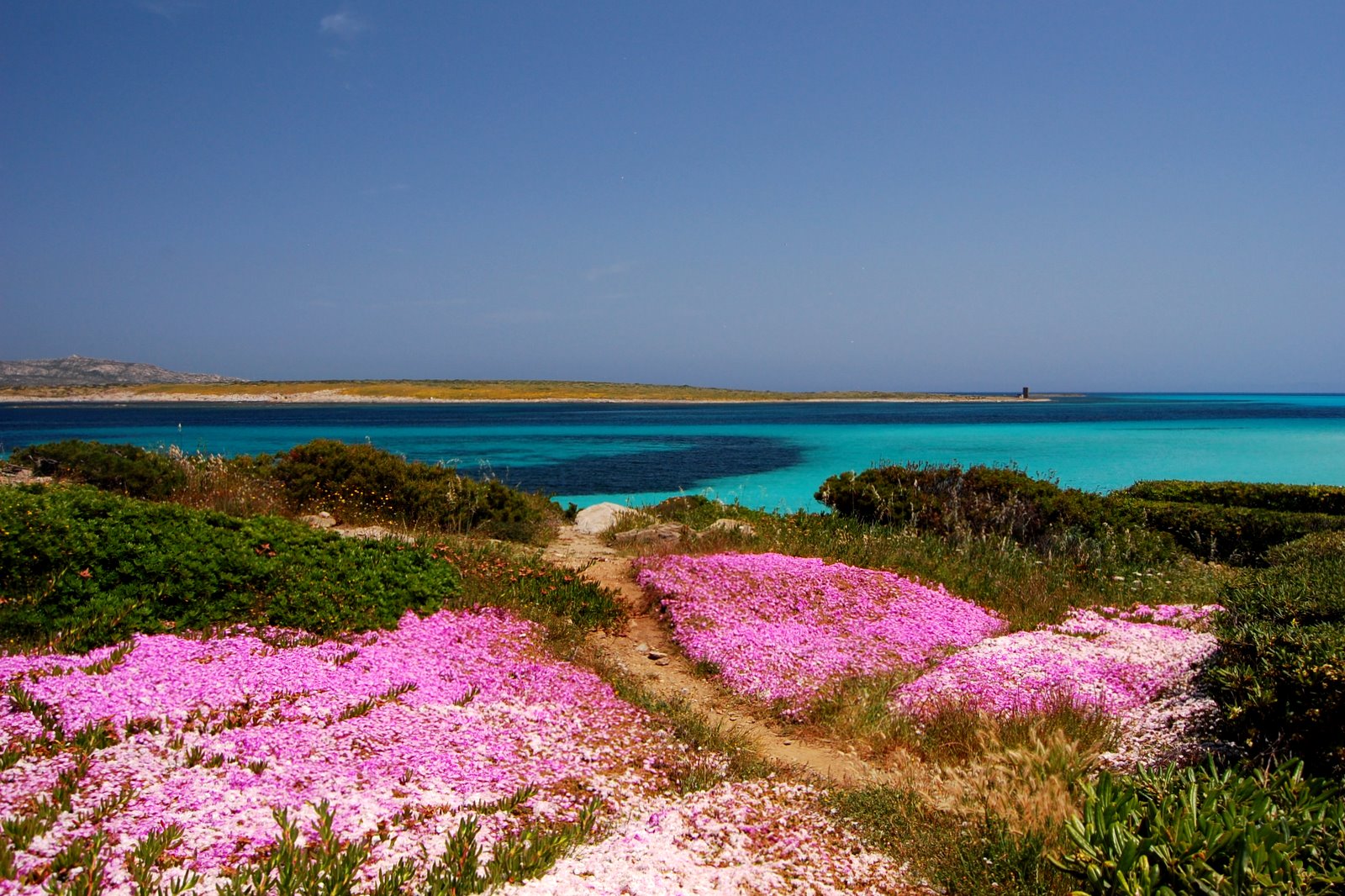
I have planned a lot of Italian summers, and the question is never “are the beaches good.” They are. The hard part is choosing which coast, because the country has dozens of them and they are not interchangeable.
The best beaches in Italy are spread across very different regions: Sardinia for clear water and white sand, Sicily for variety and islands, Puglia for shallow sandy shallows, the Amalfi Coast for scenery over comfort, Calabria for value, and Tuscany and Liguria for everything in between. Pick the coast that fits your trip, not the one with the prettiest photo.
This guide is for anyone deciding which region to point a beach trip at. If you already know you want one specific island, I link out to the deeper guides below.
Best beaches in Italy at a glance
Here is the fast version. Read the row that sounds like your kind of day, then jump to that region.
| Region | Beach character | Sand or pebble | Best for | Getting there |
|---|---|---|---|---|
| Sardinia | White sand, glassy turquoise water, wild coves | Mostly fine sand | The “is this real” wow factor | Fly or ferry, then a rental car |
| Sicily | Huge variety: reserves, volcanic rock, long sand | Sand and rock both | Beaches plus culture and food | Fly in, car for the coast |
| Puglia | Soft shallow sand in Salento, cliffs in Gargano | Mostly sand | Easy southern road trip | Fly to Bari or Brindisi, drive |
| Amalfi / Campania | Dramatic, small, pebbly, expensive | Pebble and rock | Scenery and atmosphere | Train to Salerno, ferry or bus |
| Calabria | Long white-sand strands, clear water, strong value | Sand | Budget beach days, fewer crowds | Fly to Lamezia, drive |
| Tuscany / Maremma | Dune-backed, pinewood, protected nature | Sand | Nature lovers, families | Train plus car to the coast |
| Liguria / Cinque Terre | Pebbles, cliffs, painted villages, boat rides | Pebble | A beach day without a car | Train along the coast |
| Veneto / Adriatic | Long, flat, well-equipped resort beaches | Sand | Families wanting full services | Easy by train and bus |
Now the honest part nobody tells you up front: in Italy, “beautiful” and “easy” are often not friends. Many of the most photographed beaches are small, rocky, protected, reachable only by boat, or jammed in August. That is fine. It just means you plan a beach day here like a real travel day, not a casual swim after lunch.
Which region has the best beaches in Italy?
If you forced me to crown one region for pure beach beauty, it is Sardinia, with Puglia, Calabria, and parts of Sicily close behind. That is roughly where the travel press lands too, and it matches what I see in person: Sardinia, Sicily, and the smaller islands consistently produce the country’s most transparent water and the most ridiculous shades of blue.
But “best” depends entirely on what you want from the day, so let me break it down by traveler instead of by ranking.
- You want the clearest, whitest, most tropical-looking water: Sardinia, full stop. See my Sardinia beaches travel guide for the deep dive.
- You want beaches plus food, ruins, markets, and volcanoes: Sicily. It has the most variety of anywhere in Italy.
- You want an easy car road trip with soft sandy water: Puglia, especially the Salento.
- You want maximum scenery and do not mind paying for it: the Amalfi Coast.
- You want long sandy beaches, low prices, and fewer international crowds: Calabria.
- You are coming without a car and want it stress-free: Liguria or the Adriatic resorts.
Hold that framework in your head as we go region by region.
Sardinia: the closest thing to the tropics in Europe
Sardinia is where I send people who say the word “Maldives” and then look embarrassed. The water genuinely does that thing. Fine white sand, granite headlands, and a sea that goes from clear to electric turquoise in a few meters of depth.
The north and northwest give you the famous shallow stuff: La Pelosa near Stintino is the postcard, with knee-deep water you can wade out into for ages. The east coast, around the Gulf of Orosei, is wilder and more dramatic, with coves like Cala Mariolu and Cala Goloritzé that you reach by boat or on a real hike, not a stroll.
Here is the catch that ruins people’s day if they ignore it. Several of the best Sardinian coves now cap visitor numbers. Cala Goloritzé in Baunei requires a booking that is mandatory from around April to October, the daily access is limited, and you can reserve from roughly 72 hours before your visit (check the official Baunei coast site before you go, as the rules shift year to year). La Pelosa also runs seasonal access controls and a small fee in summer. Do not arrive assuming you can just walk down because a reel made it look effortless.
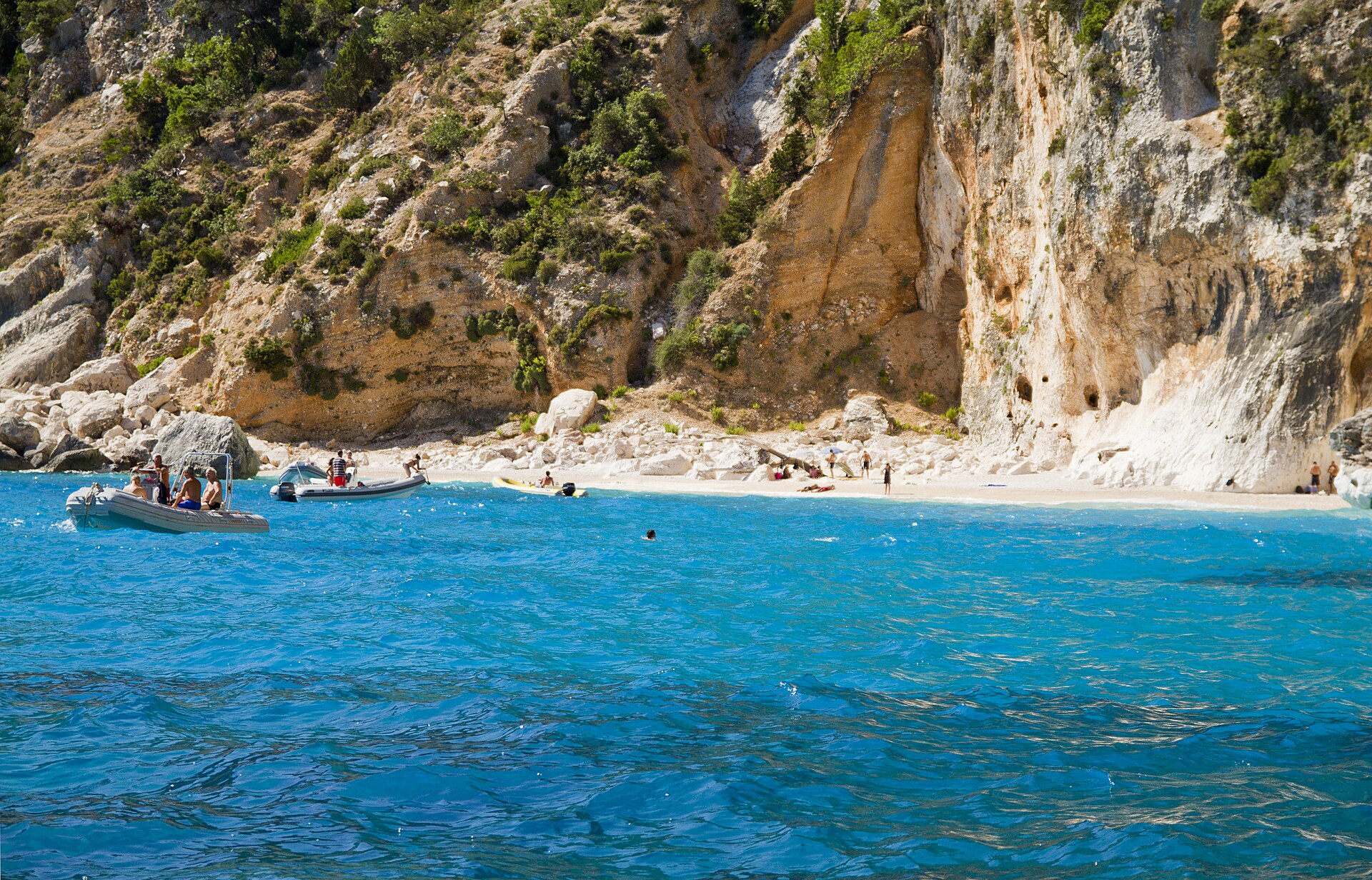
Sardinia is a car island. You fly into Cagliari, Olbia, or Alghero, or ferry over from the mainland, and then you drive. Public transport will not get you to the good coves. If that sounds like a lot, it is, and it is worth it, but budget for the rental and the ferry. If you want named-beach detail, my best beaches in Sardinia list goes spot by spot, and the suggested route through Sardinia helps you string them together without driving the whole island in circles.
Who should skip Sardinia: anyone without a car who wants a relaxed, low-logistics trip. The payoff is high but so is the effort.
Sicily: the most variety of any Italian coast
Sicily is the region I recommend when someone wants beaches but would mutiny if that was the only thing on the trip. You get Greek temples, Baroque towns, Etna, the food, and then genuinely excellent beaches on top.
The catch is scale. Sicily is enormous, and the best beaches are scattered. San Vito Lo Capo in the northwest is the headline: a wide crescent of pale sand under a dramatic mountain, family-friendly and shallow, with about 3 km of beach. Nearby Cala del Bue Marino is wilder and far less crowded. Down by Syracuse, Fontane Bianche gives you clear sand and transparent water with much easier access.
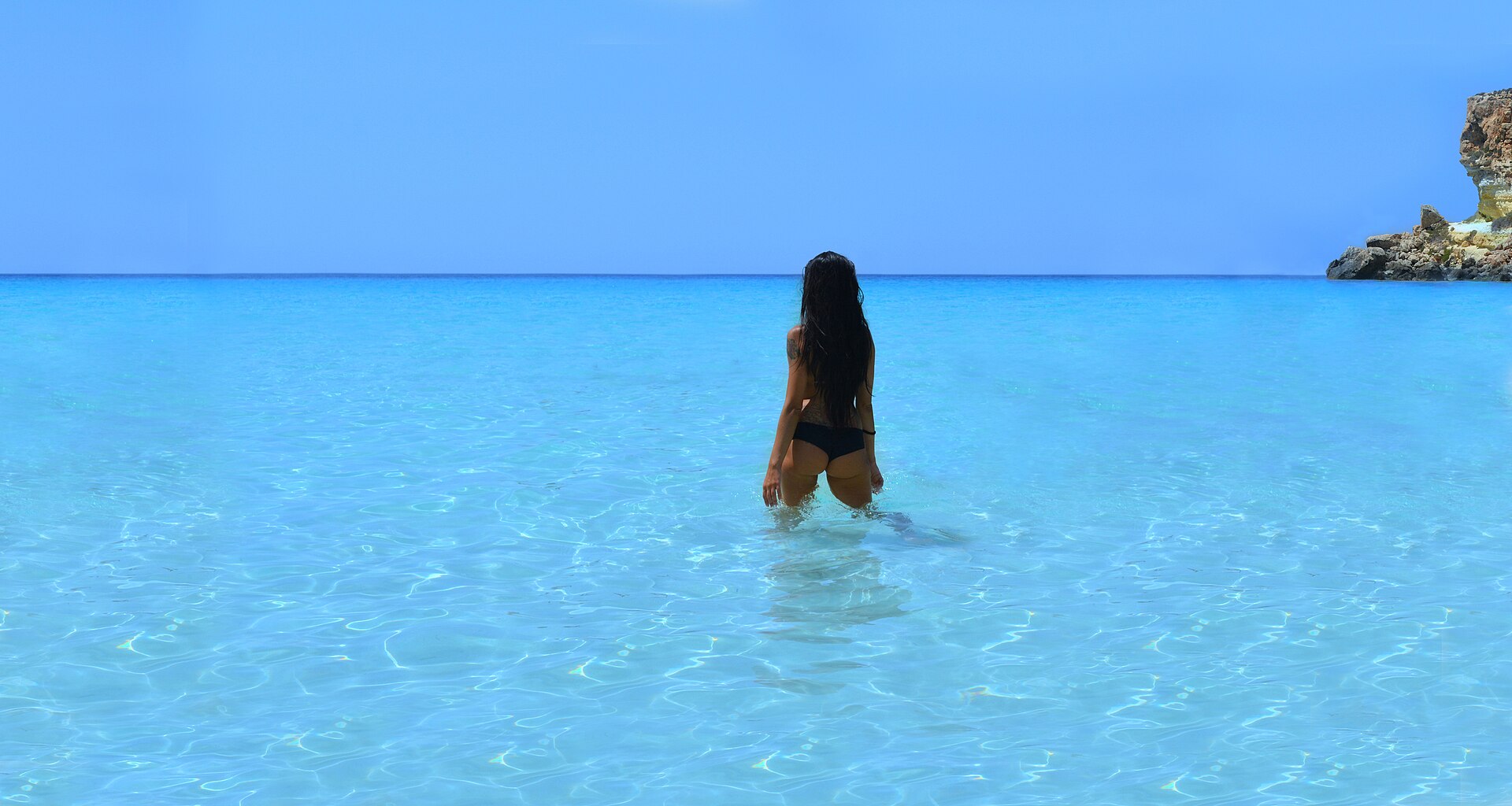
Then there are the offshore islands, which are a different tier. Spiaggia dei Conigli (Rabbit Beach) on Lampedusa has been voted Italy’s most beautiful beach more than once, white sand meeting a sea that blurs into the sky, and sea turtles nest there. Because of that, it is protected: from around June to mid-October access runs on timed shifts with advance reservation, and you reach it on foot from a parking area, or via the cheap Linea Azzurra shuttle that runs roughly hourly from Piazza Brignone in town for around €1 to €1.20 a ride (as of 2026; confirm locally). Favignana’s Cala Rossa is the other Caribbean-grade stunner.
Plan Sicily as a road trip with a base or two, not a single beach week. My complete guide to Sicily sets the regions out, and our roundup of Sicily’s beaches covers the coast in detail. If you are torn between the big islands, the Italian islands comparison weighs Sicily against Sardinia and the smaller ones.
Puglia: the easiest sandy road trip in the south
Puglia is my pick for a first southern-Italy beach trip, because it is more drivable and more varied than people expect. The heel of the boot splits into two very different coasts.
The Salento, down south, is the soft, shallow, warm, sandy water people picture when they imagine a southern beach holiday. Punta Prosciutto and Torre Lapillo near Porto Cesareo are fine-sand and wild dunes; Pescoluse gets called the “Maldives of the Salento”; Baia dei Turchi and Torre dell’Orso are long golden crescents. The water stays warm into late September here, which is a real advantage.
The Gargano, up on the spur, is the opposite: white cliffs, sea stacks, caves, and pebbly coves. Baia delle Zagare and Vignanotica are the dramatic scenic names. Same region, completely different beach day, so know which one you are booking.
You fly into Bari or Brindisi and drive. Buses exist but they will limit you, so a car for a few days makes Puglia open up. My best beaches in Puglia guide names the spots, and the Puglia and southern Italy travel guide helps you build the wider trip.
Amalfi Coast and Campania: scenery over comfort
Let me be candid, because the photos lie a little. The Amalfi Coast is one of the most beautiful places on earth, and its beaches are mostly small, pebbly, expensive, and packed. You go for the scenery and the swim with a view, not for stretching out on soft sand.
Marina Grande in Positano is the famous one, pastel houses tumbling toward smooth pebbles. Atrani, the tiny town next to Amalfi, has a small free beach and a slower, more lived-in feel. Most beaches here are split between a free section and paid beach clubs, and in a place like Positano the club rates climb fast in peak season.
If you want the same Tyrrhenian coast with more room to breathe, look south to the Cilento: Marina di Camerota, Palinuro, Acciaroli. Slower pace, more space, fewer people fighting over one square meter of pebbles.
Getting around here is its own skill. You can base in Salerno or Sorrento, take the ferries between coastal towns in summer (often nicer than the white-knuckle bus on the coast road), and avoid driving the Amalfi road yourself if you can. My Amalfi Coast beaches guide covers the swimming spots, and the suggested route through the Amalfi Coast sorts the logistics.
Calabria: the best value beaches in Italy
Calabria is the region savvy travelers whisper about. Nearly 800 km of coastline, water that rivals anything up north, and prices that have not gone Amalfi-crazy yet.
Tropea is the star, the “Pearl of Calabria,” with a long white-sand beach below a clifftop old town and clear turquoise water. Just along the Costa degli Dei, Capo Vaticano and Riaci give you white sand and rocks in iridescent colors, and on a clear day you can see the Aeolian Islands offshore. Up the coast, Arcomagno near San Nicola Arcella is a small cove framed by a natural rock arch, though access is a scramble, so wear proper shoes and treat it as a half-day outing.
The trade-off is that the headline beaches do get busy in August, and the region is best with a car (fly into Lamezia Terme). But for long sandy days at fair prices, Calabria is hard to beat. It pairs naturally into a day-by-day Southern Italy plan with Puglia.
Tuscany and the Maremma: dunes, pinewoods, and quartz sand
Tuscany’s coast feels nothing like the islands, and that is the appeal. The best beaches are backed by dunes, umbrella pines, and protected land, so they feel green and wild rather than developed.
Collelungo in the Maremma Regional Park is a standout for nature lovers, a long natural beach inside protected parkland. Cala Violina is famous for pale quartz sand that supposedly squeaks like a violin underfoot and clear water, but it is reached on foot or by bike through the forest and access is capped in high season, so plan ahead. Offshore, the island of Elba rewards more than a day trip, with sandy and pebbly coves like Fetovaia and Cavoli.
There is also a glossier Tuscan beach world: Forte dei Marmi and the Versilia, all chic beach clubs and mountain backdrops, where the sand is wide and flat but the front-row loungers are a status purchase. Choose your Tuscany depending on whether you want wild or polished.
This coast suits travelers already touring Tuscany inland who want a nature-forward beach break. It is doable by train plus a short drive, though not as quick as a map suggests.
Liguria and the Cinque Terre: the no-car beach option
If you are traveling without a car and want a beach day that is genuinely low-stress, Liguria is the region I recommend most. The beaches are usually pebbly and not very wide, but they are dramatic, and the train runs right along the coast.
Monterosso al Mare has the most practical setup in the Cinque Terre, with train access, beach clubs, free sections, and restaurants all within walking distance. Baia del Silenzio in Sestri Levante is prettier than it is big, so go early. Camogli is pebbly and lovely for a swim and a seafood lunch. For effort-with-payoff, San Fruttuoso, between Camogli and Portofino, has no road at all, so you arrive by boat or on foot, which is the whole point.
Pebbles mean you want water shoes and a proper mat rather than a thin towel. But the rail access is the real selling point: you can do a Cinque Terre beach day between other stops without ever renting a car, which is rare in Italy.
The lakes versus the sea: a question nobody answers
People planning an Italian summer often quietly wonder whether the famous lakes count as a beach trip. Honest answer: not really, and that is fine.
Lake Garda, Como, and Maggiore have lidos, swimming areas, and gorgeous water, and on a hot day a lake swim is wonderful. But it is freshwater, the “beaches” are mostly grass, gravel, or imported sand, and the vibe is scenery-and-promenade, not sun-and-surf. If you want dramatic mountains, villages, and a refreshing dip between sightseeing, the lakes are superb. If you want a proper beach holiday with warm salt water and a stretch of sand, go to the coast. They scratch different itches, so do not force one to be the other.
Are the best beaches in Italy free? The lido reality
Here is the rule that confuses every first-timer. Under Italian law the shoreline is public property (the demanio marittimo), and the actual sand at the water’s edge must stay free and open to everyone. Nobody can sell you the sand.
What the beach clubs, called stabilimenti or lidi, sell is the equipment and service: the umbrella, the loungers, the showers, the bar. So most popular beaches are a split: a paid lido with the comfortable, well-positioned spots, and a free spiaggia libera section where you bring your own gear and arrive early to claim space.
Costs, hedged because they move every year: a typical lido package of two sunbeds and an umbrella runs roughly €15 to €25 a day in shoulder season and around €30 to €55 in peak August at a normal resort (as of 2026). The Costa Smeralda VIP clubs in Sardinia are a different planet, €120 to €350 for a front-row setup. If that stings, the free sections genuinely work, you just trade money for an early alarm. For how this fits a wider trip, see my Italy travel budget notes.
When to go: timing the Italian coast
Season changes everything. June and September are the all-round sweet spot, warm enough water, long days, and a fraction of the crowds and prices of high summer. July and August bring the warmest sea and the liveliest atmosphere, but also packed sand, scarce parking, and beach clubs booked solid in the popular spots.
The far south stretches the season. In Sicily, Sardinia, Calabria, and Puglia, early October can still deliver pleasant swimming in a warm year, though not every beach service stays open. The north cools sooner: late May and early October can be lovely on land in Liguria but the water may be bracing. For the full month-by-month picture, see choosing the right season for Italy, and for moving between coasts, Italy transportation.
Final thoughts
There is no single best beach in Italy, and chasing one is the wrong goal. There is a best coast for your trip. Want glassy turquoise water and do not mind the effort, go to Sardinia. Want beaches plus culture, Sicily. Want an easy sandy road trip, Puglia. Want value, Calabria. Want it car-free, Liguria. Pick the region that matches the day you actually want to have, plan the access and the season properly, and the Italian coast will not disappoint you.
For the bigger picture, my full Italy planning guide, Italy itineraries, and our guide to Italian bases and neighbourhoods tie the beaches into the rest of the trip, and our guide to accommodation in Sardinia helps if the island won you over.
Questions travellers ask
Which region in Italy has the best beaches?
For pure beach beauty, Sardinia usually wins, with its white sand and impossibly clear water, followed closely by Puglia, Calabria, and parts of Sicily. But the right answer depends on you. Sardinia has the strongest wow factor but the most logistics; Puglia is the easiest road trip; Calabria is the best value; Liguria is best without a car.
Are Italian beaches free?
Many beaches have both a free section, the spiaggia libera, and paid beach clubs called stabilimenti or lidi. By law the shoreline itself is public and free, but the well-placed loungers and umbrellas are rented. In busy resorts the best free sand fills early, so in July and August you simply need to arrive in the morning to claim a spot.
What is the best month to visit Italian beaches?
June and September are the best all-round months: warm sea, long days, and far fewer crowds than midsummer. July and August have the hottest water but the biggest prices and the busiest sand. For Sicily, Sardinia, Calabria, and Puglia, early October can still be pleasant for swimming, especially in a warm year, though some beach services start to close.
Which Italian beaches need reservations?
A growing number of protected beaches do. Cala Goloritzé in Sardinia requires a mandatory booking from around April to October with a daily cap, and Spiaggia dei Conigli on Lampedusa runs on timed shifts with advance reservation from roughly June to mid-October. La Pelosa and Cala Violina also use seasonal access limits. Always check the official local site before you go, as the rules change yearly.
Where are the best sandy beaches in Italy?
For soft, wide, shallow sand, head south. The Salento in Puglia (Pescoluse, Punta Prosciutto), Calabria around Tropea, and much of Sardinia and Sicily give you proper sand. By contrast, the Amalfi Coast and the Cinque Terre are mostly pebble and rock, beautiful but not the place for a soft-sand sprawl, so match the coast to the texture you actually want underfoot.
Can you have a beach day in Italy without a car?
Yes, in the right region. Liguria and the Cinque Terre run trains right along the coast to beaches like Monterosso, and the Adriatic resorts in Veneto and Emilia-Romagna are easy by train and bus. The hardest places without a car are Sardinia and Calabria, where the best beaches sit well off any public transport route and a rental is close to essential.
Is the Amalfi Coast good for beaches?
For scenery, absolutely; for comfort, manage your expectations. Amalfi Coast beaches are mostly small, pebbly, expensive, and crowded in summer. You go for the swim-with-a-view and the atmosphere, not to stretch out on soft sand. If you want the same coast with more room, the Cilento just south, or the islands of Capri and Ischia, give you better swimming with fewer elbows.
How much do sunbeds cost on Italian beaches?
It varies by region and season. A standard lido setup of two sunbeds and an umbrella runs roughly €15 to €25 a day in shoulder season and around €30 to €55 in peak August at a typical resort (as of 2026). Exclusive Costa Smeralda clubs in Sardinia reach €120 to €350. Free public sections always exist as a no-cost alternative if you bring your own gear.