Italy Agriturismo Guide: Farm Stays and Countryside Bases
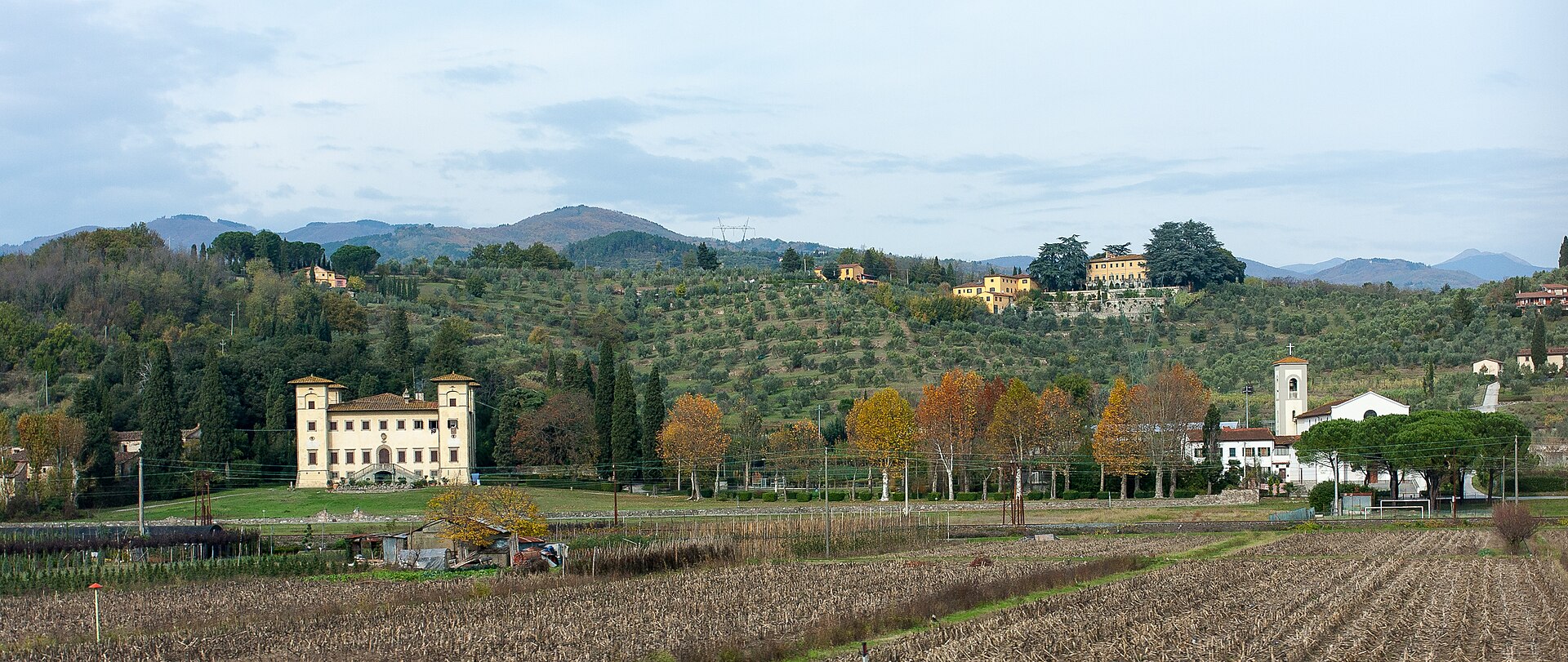
The first time I booked an agriturismo Italy stay, dinner was four courses of food grown within sight of the table, the wine was the family’s own, and nobody handed me a menu because there wasn’t one. That is the whole point, and it is why I now build at least a few farm nights into almost every Italy trip.
An agriturismo is a working farm that rents rooms or apartments to guests as a legally secondary activity, usually serving meals made from its own produce. Picture a real farm with a few guest rooms, not a hotel pretending to have a vineyard. It suits drivers, couples, and especially families who want space, slow mornings, and food with a short supply chain.
This is the lodging-type guide. If you already know you want the countryside and just need to decide where, I point you to the region pages as we go. Here, I am answering the more basic question: what is this kind of place, and is it right for your trip?
Agriturismo Italy vs hotel vs B&B vs apartment: a quick comparison
Before the deep dive, here is how a farm stay actually stacks up against the other ways you might sleep in Italy. I have done all four on the same trip, and they are genuinely different experiences, not just different price tags.
A few notes on the table. The cost bands are rough, per-night, for a clean double in shoulder season as of 2026 — peak summer and harvest weeks run higher, deep winter lower. “Car” means how much you need one to make the stay work. I am describing types, not naming properties.
| Lodging type | Best for | Food | Car needed? | Rough nightly cost (double) |
|---|---|---|---|---|
| Agriturismo | Countryside base, families, drivers, food lovers | On-site, farm-grown, often half board | Usually yes | €90–180 |
| Hotel | City stays, one-night stops, full service | Breakfast; restaurants nearby | No (in cities) | €120–280 |
| B&B | Mid-trip city or town stays, a personal touch | Breakfast only, sometimes light | Sometimes | €80–170 |
| Apartment / Airbnb | Longer stays, families, self-catering | You cook | Depends on location | €90–200 |
If you remember one line from this table: an agriturismo is the only one of the four where the food and the setting are the reason you booked, not an afterthought. For the big-picture logic of how all the lodging types fit a trip, start with the where to stay in Italy pillar, and if you are torn between a rental and a hotel specifically, hotel vs Airbnb in Italy is the honest head-to-head.
What is an agriturismo?
An agriturismo (plural agriturismi) is, at its core, a farm that hosts guests. The word is just agricoltura and turismo squashed together. But the part that matters — the part that makes it different from a country hotel with a nice view — is that in Italy this is a legal category, not a marketing word.
The law behind the word
Italy actually legislated this kind of stay into existence. The groundwork was laid by a 1985 national law, and the framework in force today is Law 96/2006, the Disciplina dell’agriturismo. The original problem it solved was real: after the war, small farmers were abandoning the land for factory jobs in the cities, and a country that can’t afford to lose its farmland feared it would end up importing nearly all its food. The fix was to let farmers earn money from hospitality so they would stay and keep farming.
Because of that origin, the rules are strict in a way that protects you as a guest. As of 2026, the broad principles look like this:
- The operator must be a genuine agricultural entrepreneur (an imprenditore agricolo under article 2135 of the Civil Code). In plain terms: a real farmer, not a hotelier.
- Hospitality must stay secondary to farming. The land has to be worked; the rooms are the side hustle, not the main business.
- Food and drink served to guests must come mainly from the farm itself or from nearby producers — the estate’s own wine and olive oil, eggs from the hens out back, vegetables from the kitchen garden.
- The detailed rules — how many guests, how many days a year a property can host, how much of the food must be the farm’s own — are set region by region. Law 96/2006 hands a lot of that down to Italy’s regions, so Tuscany, Piedmont, Puglia, and the rest each have their own version.
You don’t need to memorize any of this. But it explains why a true agriturismo feels a certain way: there are usually animals or vines or olive trees doing actual work outside your window, and the dinner really is made from what the place produces. If a “farm stay” has no farm in evidence at all, it probably isn’t one in the legal sense — it might just be a rural rental using the word loosely.
What an agriturismo is not
It is not, automatically, rustic or basic. The range is enormous. I have stayed in a bare-bones room that felt like a tidy converted attic, and I have stayed at what was effectively a wine resort with a pool and a tasting room. Both were legally agriturismi because both were working farms. Luxury or simple is a separate axis from whether the place qualifies.
It is also not, usually, a petting zoo. Many people picture barns full of livestock. Most Italian farms in this category are small and crop-focused — grapes, olives, grain, vegetables — so the animals you actually meet are often the farm dog and a couple of cats. If you specifically want horses, donkeys, or chickens for the kids, you filter for that; it is not the default.
Tuscany agriturismo and other top regions
You can find a farm stay in nearly every corner of Italy, from vineyard terraces in the Alps to a few minutes’ drive from a southern beach. But certain regions are where the format truly sings, and each does something a little different. Here is where I send people, and why.
Tuscany
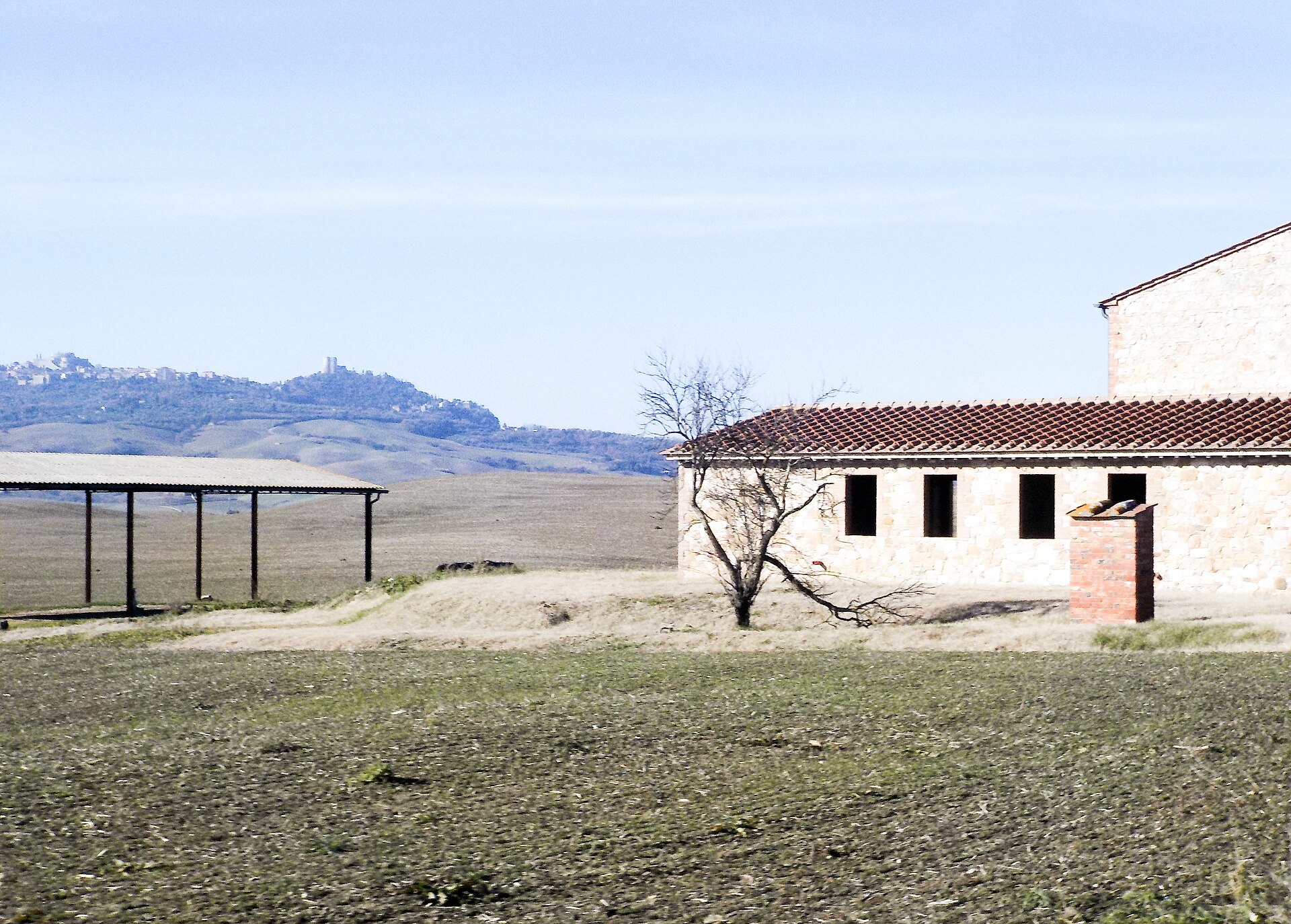
A Tuscany agriturismo is the postcard for a reason. Rolling hills, cypress-lined drives, olive groves, and vineyards that produce the wine you’ll drink at dinner. This is the region with the deepest stock of farm stays at every level, from family-run and unfussy to polished country estates with infinity pools.
The thing to get right in Tuscany is which part. The region is huge — it can take hours to cross — so you anchor near the bit you want: the Chianti hills between Florence and Siena, the Val d’Orcia in the south, or the area around San Gimignano. Pick a base, then day-trip from it, rather than trying to see all of Tuscany from one farm. For the food-and-wine spine of the region, the Chianti wine region guide pairs perfectly with a Chianti farm stay, and if you want to thread several stops together by car, the Tuscany road trip route does exactly that. Using Florence as your city bookend? The complete guide to Florence and Tuscany covers the city side.
One honest caveat: most Tuscan farm stays really do need a car. If that is a dealbreaker, read where to stay in Tuscany without a car before you book a hill in the middle of nowhere — it exists for exactly this problem.
Umbria
Umbria is Tuscany’s quieter, greener neighbor, and often better value. Same rolling-hills-and-hilltowns template, fewer crowds, and a food culture built on truffles, lentils, game, and wild greens. If you love the idea of Tuscany but want it calmer and a bit cheaper, a farm stay in Umbria with day trips to Assisi, Perugia, and Lake Trasimeno is a smart swap.
Piedmont
Up in the northwest, Piedmont is for serious eaters and drinkers. This is Barolo and Barbaresco country, white truffle country, and the farm stays here lean toward wine. Autumn is the moment — grape harvest and then truffle season — and the landscape of the Langhe vineyards is genuinely something. Meals here can be a highlight in their own right; I have stayed on Piedmontese farms mostly for the dinner.
Puglia and the masserie
In the heel of Italy, the farm stay has its own name and architecture: the masseria, a fortified old country estate. Puglia masserie range from working olive-and-vegetable farms with simple rooms to genuinely luxurious resorts with pools, spas, and family programs. The draw is olive oil, whitewashed towns, almonds, and the sea not far away. If the south is your trip, the where to stay in Puglia guide breaks down the masseria-versus-town decision in detail.
Sicily
Sicily’s farm stays come with volcanoes and citrus. I have stayed at more than one in the shadow of Mount Etna, with blood oranges off the tree for breakfast and the sea a short drive away. The local word you may see is baglio, an old courtyard farmstead. Sicily is also one of the easier regions for vegetarians, given how vegetable-forward the cooking is.
The Dolomites and the maso
For something completely different, the Alpine version is the maso — a mountain farmstead, especially in South Tyrol and the wider Dolomites. Here the farm stay means cheese, speck, apples, hiking from the door in summer, and skiing nearby in winter. The vibe is tidy and Tyrolean rather than Tuscan-golden, and it is a brilliant base for the mountains.
If you are still deciding between basing in the countryside versus a town or city for parts of your trip, the best cities to stay in Italy guide helps you split the difference — most good Italy trips do a bit of both.
What to expect: half board, farm life, and the rhythm of the place
This is the section I wish someone had given me before my first farm stay, because the experience runs on different rails than a hotel.
Half board and the farm dinner
The defining ritual is dinner. Many agriturismi offer half board — your room plus breakfast plus the evening meal — and on a good farm, that dinner is the reason to be there. It is usually a fixed, multi-course menu built from whatever the farm and season are producing, not an à la carte list.
A typical sequence looks like this: a tagliere of the farm’s cured meats and cheeses to start, then a primo (handmade pasta or risotto), a secondo (a roast or grilled meat, sometimes fish) with contorni (vegetable sides), then dolce, coffee if you want it, and a digestivo the family probably makes themselves. Wine and water flow throughout, and the wine is frequently the estate’s own.
Two practical things follow from this. First, because dinner is at the property, you can drink the house wine and the after-dinner amaro without worrying about driving anywhere — a quietly large perk. Second, breakfast is the opposite of dinner: Italians keep it light, so expect cakes, a fruit tart or two, bread, jam, fruit, yogurt, maybe eggs. On a farm the jam and honey are often homemade and excellent, but do not expect a big cooked spread.
Not every farm serves dinner every night, and some serve it only to guests on certain days. A few are primarily restaurants with rooms attached. So if the farm dinner is central to your plan — it is to mine — confirm before you book which meals are served and on which nights.
Farm life, peace, and patience
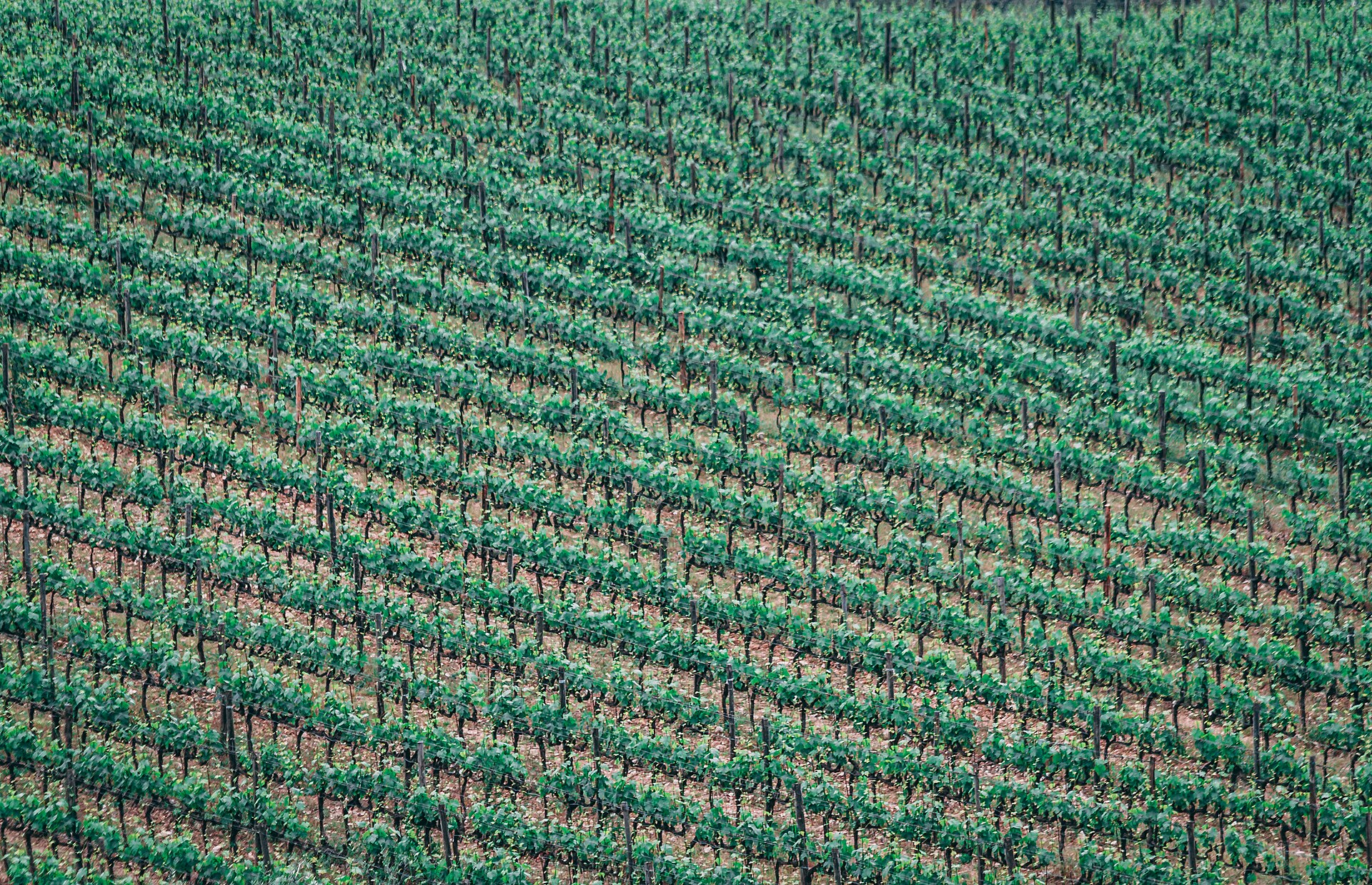
Beyond the food, the appeal is calm. These places sit in the countryside, the air is good, and the pace drops the moment you arrive. Many have pools, shaded terraces, and a hammock-and-a-book energy that is the entire point for a lot of guests. Some offer activities you book ahead — cooking classes, wine tastings, horseback riding, bike rentals, a guided walk, even a chance to join the harvest if your timing lines up.
A few honest warnings so nothing surprises you. Wifi and phone signal can be weak — often one router serving the common areas and a few dead zones on the property. Most people treat that as a feature; if you need to work or video-call home, ask before booking. Things run on farm time. Once, nobody was there to greet us at check-in, and we spent a happy hour on the patio with the dogs until someone came home. Plumbing quirks and the occasional hiccup are part of rural Italy. Go with it, and a small problem stays small.
One more candid detail: Italian pillows tend to be very flat. I now travel with a thin packable pillow for exactly this reason. Every so often a farm surprises me with something fluffy, but I stopped counting on it.
How to book a farm stay in Italy
Booking a farm stay in Italy is a little more hands-on than tapping a hotel app, but it is not hard once you know where to look and what to check.
Where to book
You have a few good channels, and I often cross-check more than one:
- Agriturismo.it is the largest dedicated platform and the one I reach for first. It lists genuine agriturismi, and you can filter by setting, amenities, and whether meals are served — exactly the filters that matter here. Sister sites like Agriturismo.com and Agriturismo.farm cover similar ground.
- Booking.com carries plenty of farm stays; tick the “Farm Stay” property type, though some get filed under “bed and breakfast” instead, so search a little wider.
- Airbnb has them too under its “Farm Stay” category — just watch the cleaning and service fees that stack on.
- Booking direct is often best, especially for smaller, platform-shy farms. A quick web search for “agriturismo” plus the town or area you want turns up places that never list on the big sites. Email or a phone call seals it; the better the food, sometimes the worse the website.
Whichever channel you start in, I always look at the farm’s own website and read a stack of recent Google reviews before committing — and I pay special attention to photos of the food. One quirk to know: Italians review honestly, even harshly. A farm sitting at 4.2 stars is usually very good, not mediocre.
What to nail down before you pay
Run through this short checklist and you will avoid almost every farm-stay regret:
- Meals: Which meals are served, on which nights, and is half board offered? Confirm dinner if that is your priority.
- The room: Private bathroom? Air conditioning for summer, heating for the cooler months or the south in winter? I once nearly froze at a Sicilian farm in February until they produced a space heater and extra blankets.
- Getting there: How far from the nearest town, airport, or train station? If you are not driving, do they offer a pickup? Is the access road one of those narrow dirt tracks?
- Payment: Card, or do they want a bank transfer for the deposit, or cash on arrival? Smaller farms lean analog.
- Minimum stay: Especially in high season, expect a minimum — often two or three nights, and sometimes a full week (Saturday-to-Saturday) at the peak. Plan your nights around that.
Do you need a car? And other practical specifics
This is where a farm stay lives or dies for many travelers, so let me be direct.
The car question
In most cases, yes — you need a car, and you should assume so unless a specific property tells you otherwise. These are farms; they sit out in the countryside, often well off public transport, sometimes down a track that Google Maps doesn’t route well. A car is what turns a farm stay from a logistics puzzle into a joy, because the whole game is using the farm as a base and driving out to hill towns, vineyards, and the coast.
The good news: rural Italian driving is calm and beautiful, nothing like wrestling traffic in Naples. And you do not have to rent for the whole trip. My favorite move on a classic Rome–Florence–Venice route is to train between the cities, then rent a car for just the Tuscany leg, drive the countryside from a farm for a few days, drop the car, and train onward. You get the rolling hills without ever parking in a city. The driving in Italy guide covers the rules, the ZTL zones to avoid, and what to expect behind the wheel, and Italy transportation helps you stitch trains and a short car rental together.
Can you do a farm stay without a car? Occasionally — a few farms sit near a train line or offer station pickups — but it is usually a hassle, and rural buses can run once every few hours. If carless is non-negotiable, lean on where to stay in Tuscany without a car, which is built around that exact constraint.
Best seasons
The countryside has a clear rhythm. Late spring (May–June) and early autumn (September–October) are my favorites: warm but not brutal, the landscape green or golden, pools usable, crowds thinner. Harvest season is special — grape harvest in September and the olive harvest in late October into November, when some farms let guests pitch in or at least watch the press run. Summer is gorgeous but hot, busy, and priced higher, with the longest minimum stays. Winter is quiet and cheap, but check that your farm heats well and still serves meals, since some scale back or close off-season.
Families and kids
Farm stays are one of the best lodging types in Italy for families, and it is not close. There is space to run, animals to meet on the right farms, pools to splash in, and rooms that easily take an extra bed or two. Many farms genuinely welcome kids — playgrounds, early dinners, the freedom to let children roam the garden while the adults linger over the multi-course meal. Self-catering apartments on farm properties are a lifesaver for families who want to handle their own breakfasts and snacks on their own schedule. For the wider plan, the Italy family vacation guide leans heavily on countryside bases for this reason.
Diet and dinner notes
Because the farm dinner is usually a fixed menu, tell them about dietary needs when you book, and remind them a day or two before you arrive. Italians are gracious about food allergies and very familiar with gluten-free dining — children there are routinely screened for celiac disease, so kitchens know the drill. Vegetarians do well, especially in Puglia and Sicily; strict vegans should give more notice. A short email upfront prevents an awkward situation at a table where there is only one menu.
What to pack
Nothing exotic, but a few farm-specific items earn their place:
- A thin packable pillow if you are particular, given the flat-pillow tendency.
- Layers and something warm for cool countryside evenings, even in summer, and real warmth in the shoulder and winter months.
- Sturdy shoes for gravel, gardens, and the odd farm track — not just city sneakers.
- Bug spray for rural summer evenings outdoors.
- A reusable bag or a little space in your case for the inevitable haul of the farm’s own olive oil, wine, honey, and digestivi. If you want to fly any of it home, budget for a checked bag.
Who should book an agriturismo (and who maybe shouldn’t)
A farm stay is fantastic for drivers, since the car makes it effortless. It is ideal for families who want room to breathe and easy meals. It is lovely for couples wanting a slow, romantic few days with good wine and no agenda. And it is close to perfect for food-and-wine travelers — the Italy food and wine travel angle is basically the whole experience — because the supply chain from field to plate is measured in steps.
It is a weaker fit if you are carless and committed to staying that way, if you want to be walking distance from city nightlife and museums, or if you are doing a fast, one-night-per-stop sprint where a remote farm becomes friction. In those cases, base in town and treat the countryside as a day trip, or save the farm nights for a slower stretch of the itinerary. There is no rule that the whole trip has to be one or the other — the best Italy trips I have planned mix a couple of farm nights into a route that also includes cities.
Final thoughts
A farm stay is the part of Italy that most travelers skip and then wish they hadn’t. It is where the country slows down, where the food has the shortest possible journey to your plate, and where you trade the front-desk shuffle of city hotels for a few days of pools, vines, and unhurried dinners. Build a couple of farm nights into a trip that also touches the cities, give yourself a car for that stretch, and the countryside stops being scenery you drive past and becomes the place you actually stayed. For the full picture of how to assemble the whole trip, the where to stay in Italy pillar ties every lodging choice togeth
Questions travellers ask
What exactly is an agriturismo in Italy?
It is a working farm that legally offers lodging as a secondary activity, usually serving meals made mainly from its own produce. Under Italy’s Law 96/2006, the operator must be a real farmer and farming must stay the primary business, which is why a true farm stay feels rooted in an actual, working property rather than a country hotel.
How much does a farm stay in Italy cost?
As of 2026, plan on roughly €90–180 per night for a clean double in shoulder season, with simpler farms dipping below €100 and luxury estates running well above. Half board adds a per-person dinner charge but often delivers excellent value, since you get a multi-course farm meal without driving out to a restaurant.
Do I need a car to stay at an agriturismo?
Almost always, yes. Farm stays sit in the countryside, frequently far from public transport, so a car is what makes them work. A few offer station pickups or sit near a train line, but assume you’ll drive. A common trick is renting a car only for the rural leg of your trip and training between cities.
What does half board mean at an agriturismo?
Half board means your room plus breakfast plus one main meal, normally dinner. The dinner is usually a fixed, multi-course menu built from the farm’s own ingredients and the season, with house wine and water included. Breakfast is lighter — cakes, fruit, bread, jam, and yogurt — in keeping with how Italians eat in the morning.
Are agriturismi good for families with kids?
They are among the best options in Italy for families. Kids get space to roam, often a pool, sometimes animals, and rooms that take extra beds easily. Many farms welcome children warmly with playgrounds and early dinners, and apartments on the property let families manage their own breakfasts and snacks.
Where are the best agriturismi in Italy?
Tuscany has the deepest selection and the classic scenery, with Umbria as a quieter, often cheaper alternative. Piedmont shines for wine and truffles, Puglia for its masserie and olive groves, Sicily for citrus and volcanoes, and the Dolomites for the Alpine maso. Match the region to the food and landscape you most want.
When is the best time to stay on a farm in Italy?
Late spring and early autumn are the sweet spot — warm, green or golden, and less crowded. Harvest season brings grapes in September and olives in late October, when some farms let you join in. Summer is beautiful but hot, busy, and pricier with longer minimum stays; winter is quiet and cheap but check heating and whether meals are served.
How do I book an agriturismo?
Start on a dedicated platform like Agriturismo.it, which lists genuine farms with the filters that matter (meals, setting, amenities). You’ll also find farm stays on Booking.com (tick “Farm Stay”) and Airbnb, and many smaller farms are best booked direct by email after a web search. Always read recent reviews and confirm which meals are served.