Best Cities to Stay in Italy for First-Time Visitors
Most first-timers do not get Italy wrong because they pick a bad city. They get it wrong because they try to sleep in seven of them in nine nights and spend the trip dragging a suitcase up cobbled steps to a new front desk every morning.
The best cities to stay in Italy for a first trip are Rome, Florence, and Venice as your spine, with Bologna, Naples (or Sorrento), and Milan as smart add-ons depending on your route. Pick two or three, give each at least two nights, and connect them by fast train. That is the whole game.
This guide is for anyone planning a first 7-to-14-night trip who wants to know which cities to actually base in, not just visit.
The short version: a city-by-city comparison
I have built and re-built this trip for friends more times than I can count, and the conversation always starts in the same place: how many cities, and which ones. So here is the cheat sheet first, then the reasoning underneath it.
A few notes on the table. “Nights to give it” assumes this is your first trip and you want to actually see the place, not just tick it. The cost bands are rough, per-night, for a clean, well-located double room in shoulder season (spring/fall) as of 2026 — peak summer runs higher, deep winter lower, and your dates matter more than the city. I am describing types and areas, not naming specific hotels you should chase.
| City | Best for | Vibe | Nights to give it | Rough nightly cost (mid-range double) |
|---|---|---|---|---|
| Rome | First-timers who want the icons | Loud, ancient, theatrical | 3 | €120–250 |
| Florence | Art, walkability, Tuscany base | Compact, elegant, busy | 2–3 | €130–260 |
| Venice | Romance, once-in-a-lifetime scenery | Dreamlike, crowded midday | 2 | €150–320 |
| Bologna | Food, value, easy connections | Warm, lived-in, arcaded | 2 | €100–190 |
| Naples | Pizza, grit, southern energy | Raw, intense, alive | 2 | €90–170 |
| Sorrento | A calm base for the Amalfi/Capri area | Resort-town, English-friendly | 3+ | €130–280 |
| Milan | Short trips, fashion, easy flights | Modern, businesslike, stylish | 1 | €130–260 |
If you only remember one line from this whole article, remember this: plan the trip by nights and transfers, not by a wish list of cities. For the big-picture logic of how the whole country fits together, I lean on the where to stay in Italy pillar guide, and for the decision of how long to go in the first place, how many days you need in Italy is the honest starting point.
How to choose where to base in Italy on a first trip
Page-one guides love to hand you “Rome, Florence, Venice” and walk away. That is the right answer for a lot of people, but it is an answer, not a method. Here is the method I actually use.
Start with your flights, not your cities. The single biggest mistake I see is booking a round-trip into Rome and then trying to also see Venice, which is four-plus hours away by train. If you want the north, fly into one end and out the other — into Milan or Venice, out of Rome, or the reverse. This is called an open-jaw or multi-city ticket, and it usually costs about the same as a round-trip while saving you a wasted backtrack day. That one decision shapes everything.
Then pick a lane: north or south. This is the rule every honest Italy writer repeats, and they are right. On a first trip of two weeks or less, do not try to do both the northern classics (Florence, Venice, the lakes) and the deep south (Naples, the Amalfi Coast, Sicily) in one go. The transfers eat your days and you end up rushing the parts you came for. Rome sits in the middle and pairs naturally with either side.
Give every base at least two nights. A two-night stay means one full day on the ground, which is the bare minimum to feel a city instead of just photographing it. One-night stops are travel days in disguise — you arrive tired, eat near the station, sleep, and leave. I would rather you see three cities properly than five badly.
Match the city to the trip you actually want. Want jaw-dropping icons and do not mind chaos? Rome. Want art and a walkable old town that doubles as a Tuscany launchpad? Florence. Want scenery that does not look real? Venice. Want to eat the best meals of your life for less money? Bologna. Want raw energy and the south? Naples. The cities are not interchangeable, and pretending they are is how people end up disappointed.
If you want this framework turned into actual day-by-day routes, the first-time-in-Italy itinerary guide and a broader Italy itineraries hub take it the rest of the way.
Rome: the one nearly everyone should base in
If this is your first time and you can only choose one city, it is Rome. I will not hedge on that.
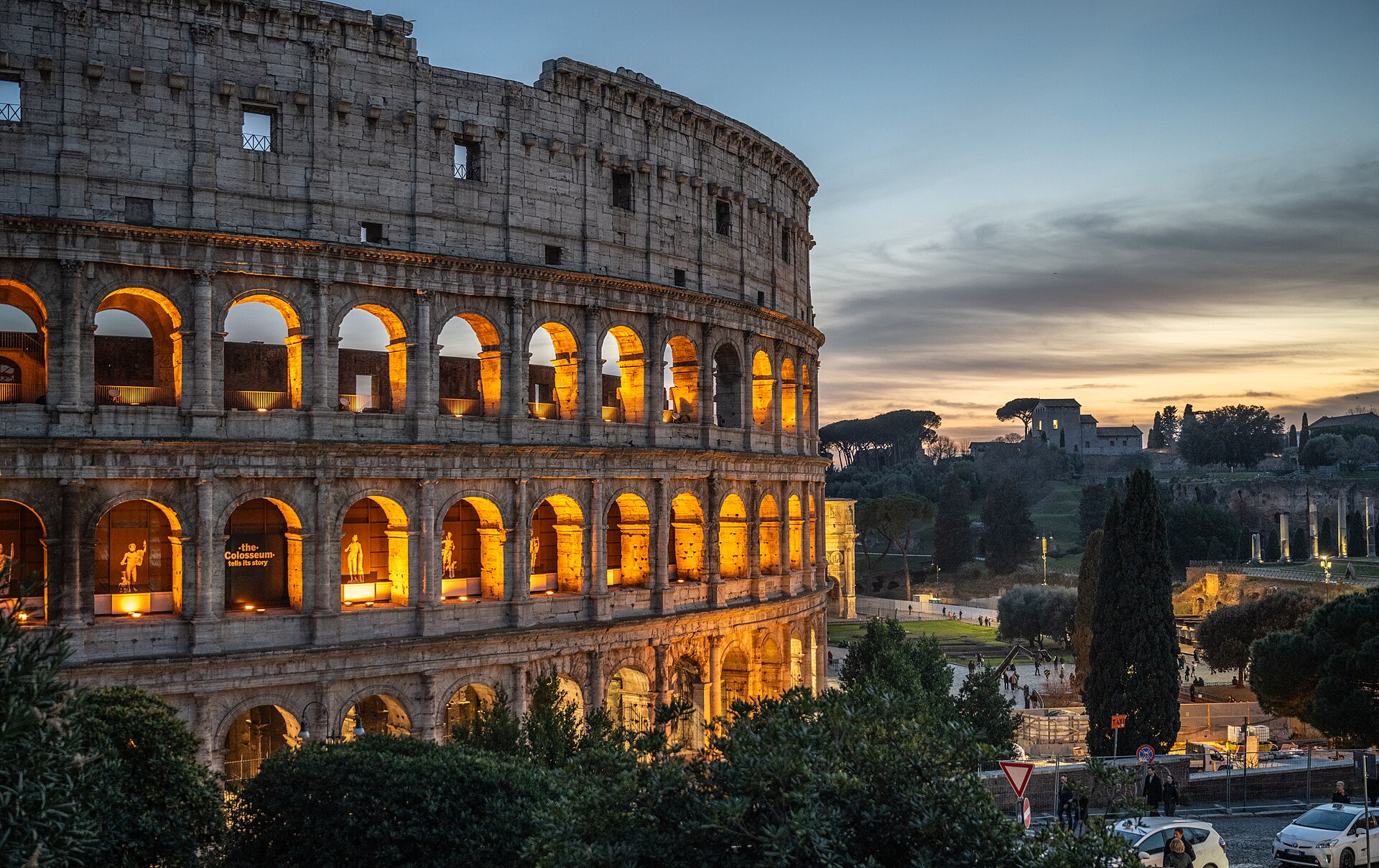
Rome is the rare place that delivers on its own hype. You stand in the Colosseum and the scale of it actually lands. You walk into the Pantheon — free, two thousand years old, still standing as built — and it does something to you. The Forum, St. Peter’s, the Trevi Fountain at 7 a.m. before the crowds, a plate of cacio e pepe in Trastevere as the light goes gold: this is the Italy people picture before they ever book a flight.
It is also loud, hot in summer, and a little chaotic, and I would not want it any other way. Rome rewards energy, so I tell people to put it first in the trip while their legs and enthusiasm are fresh.
How long: three nights, minimum. That gives you a full day for ancient Rome (Colosseum and Forum), a full day for the Vatican (book a slot — the Vatican Museums sell out), and a third day to wander, eat, and breathe. Four nights if you want a day trip to Pompeii or a slower pace.
Where to base, in one line: stay in or near the historic center — the spread between Piazza Navona, the Pantheon, and Campo de’ Fiori — so most sights are walkable, or near Trastevere for atmosphere and dinners. I keep the deep neighborhood-by-neighborhood breakdown out of this guide on purpose; my best areas to stay in Rome, Florence, and Venice piece does that block by block, and there is a dedicated where to stay in Rome guide if Rome is the bulk of your trip.
What to book ahead vs skip: book the Colosseum and Vatican timed tickets weeks out. Skip the gladiator-costume photo guys and the restaurants with laminated menus and a host waving you in near the big sights — walk five minutes off the piazza and eat where the menu is short and in Italian. For everything to do beyond the bed, a dedicated Rome sightseeing guide is the companion piece.
Florence: the most walkable base in Italy
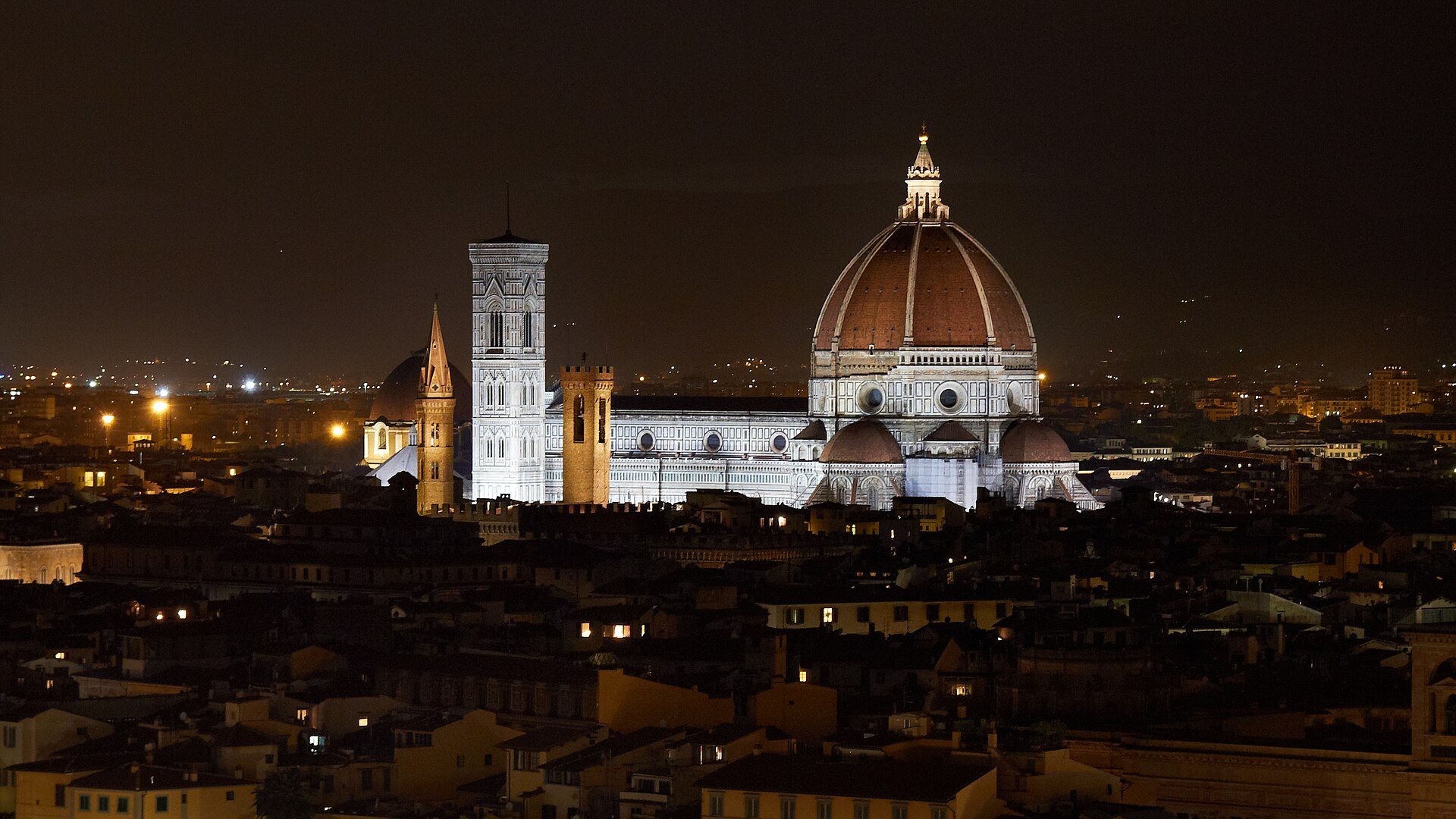
Florence is the city I most often tell nervous first-timers to start with if Rome feels intimidating, because it is small, flat, and almost impossibly walkable. You can cross the historic center on foot in twenty minutes, and in that twenty minutes you pass the Duomo, the Ponte Vecchio, and roughly half the Renaissance.
The art here is the headline — Michelangelo’s David at the Accademia, Botticelli at the Uffizi, the cathedral dome you can climb for the rooftop view — but what makes Florence a great base is its location. It sits in the middle of Tuscany, so the same hotel that puts you ten minutes from the Uffizi also puts you an hour from Pisa, ninety minutes from Siena, and within reach of hill towns and vineyards.
How long: two nights if Florence is purely a city stop, three if you want a day in the Tuscan countryside or a side trip to Siena or Pisa. I would not give it just one — the museums alone need a full day, and rushing the David is a small crime.
Where to base, in one line: the historic center around the Duomo for first-time convenience, or just across the river in the quieter, slightly cheaper Oltrarno for a more local feel and a short walk back over the bridges. The street-level detail lives in the where to stay in Florence guide.
What to book ahead vs skip: reserve the Uffizi and the Accademia in advance — the standby lines in summer are brutal and avoidable. If you only have time for one, I send art lovers to the Accademia for the David and everyone else to the Uffizi. For day trips and the wider region, a Florence and Tuscany travel guide covers what is worth the train ride and what is not.
Venice: worth it, in small, well-timed doses
There is nowhere else like Venice, and you should go. I just want you to go with your eyes open.
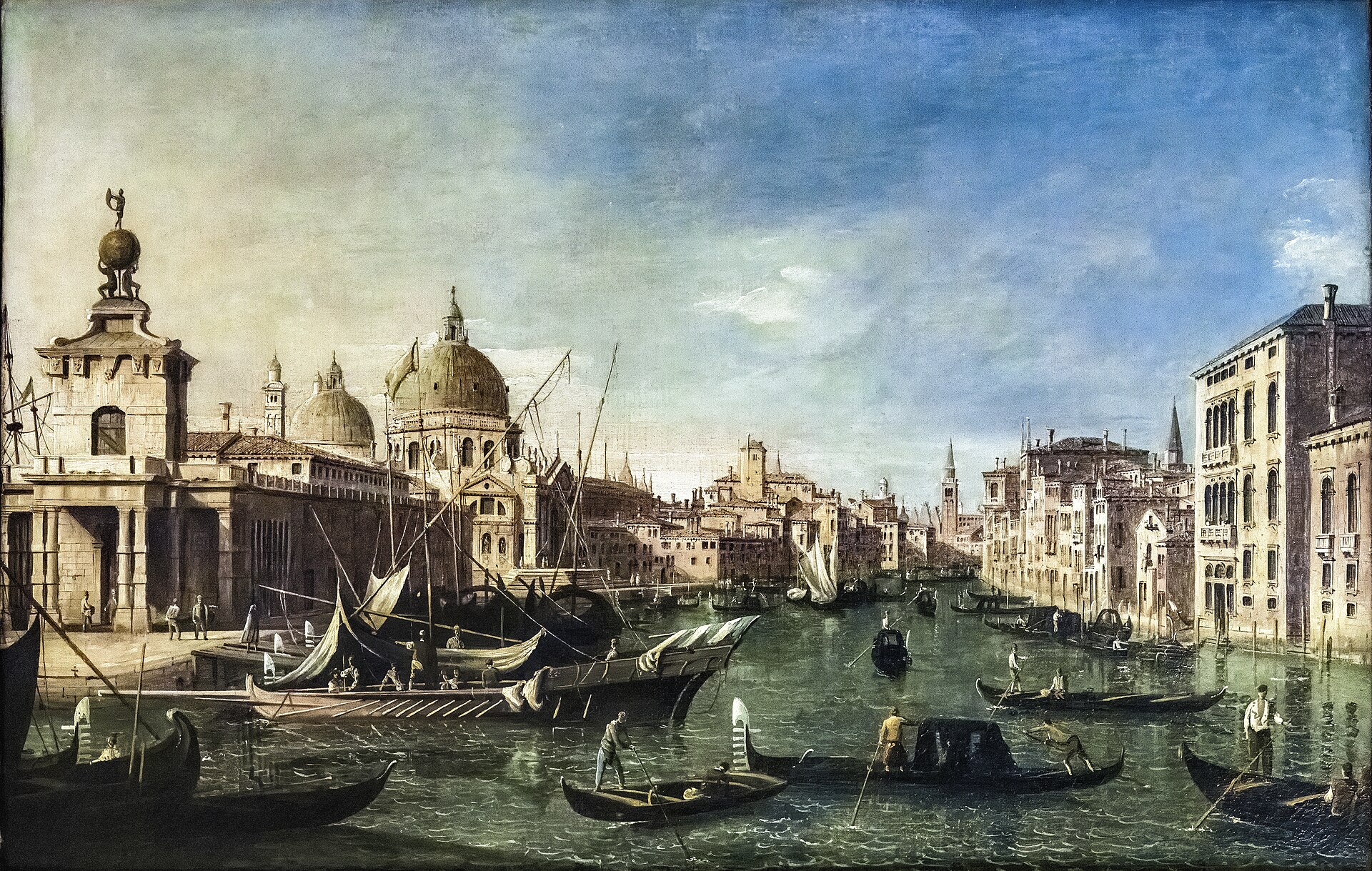
A city built on water, with no cars, where the “streets” are canals and you cross a few hundred footbridges to get anywhere — it is genuinely unlike any other place on earth, and at dawn or after dark, when the day-trippers and cruise crowds have drained out, it is quietly magical. The catch is the middle of the day. Tens of thousands of people pour in on bus tours and ships and pack the route between the train station, the Rialto Bridge, and St. Mark’s Square from roughly 10 a.m. to 4 p.m. Venice in that window can feel less like a city and more like a queue.
The fix is simple: sleep on the island. A day trip gives you the worst of Venice — peak crowds, no quiet hours. Staying overnight gives you the early mornings and late evenings that are the whole point.
How long: two nights. That is one full day plus two precious evenings and mornings, which is plenty to see the headliners and still get lost down empty back canals, the best free thing to do in the city.
Where to base, in one line: stay on the island itself — central districts like San Marco for proximity or Cannaregio and Dorsoduro for a calmer, more residential feel — rather than out in mainland Mestre, which is cheaper but means you commute into the magic. The where to stay in Venice guide handles the sestieri in detail.
What to book ahead vs skip: a quick, honest note on a moving target — Venice has rolled out an access fee for day-trippers on certain peak days (around €5–10 as of 2026, and changing year to year), but overnight guests are generally exempt because you already pay a city accommodation tax. Check the official city of Venice site for current dates before you go. Skip the overpriced canal-side tourist menus; the food here is the weakest of the big cities, so seek out a small bacaro for cicchetti instead. A Venice and Veneto travel guide covers the rest.
Naples and the southern gateway: pick your base honestly
This is where the page-one guides get vague, so let me be direct. If you are heading south, you have one real decision: base in Naples or base in Sorrento. They are not the same trip.
Naples is raw, loud, intense, and completely alive — Italy at full volume. It is the birthplace of pizza, home to a world-class archaeology museum, and the gateway to Pompeii, which is genuinely one of the most extraordinary things you can see in the country. The city has shed a lot of its old reputation and a real food-and-culture scene has bloomed; I think it is more rewarding than its old “just pass through” billing. But it is a big, gritty city, and some first-timers find it too much.
Sorrento, across the bay, is the calm alternative: a pretty cliff-top resort town, more English spoken than almost anywhere else in Italy, and a clean base for day trips to Pompeii, the Amalfi Coast, and Capri by train, bus, and ferry. It is touristy and it is not “the real Italy,” but as a low-stress home for exploring the south, it works beautifully.
My rule of thumb: if you want energy, food, and history and do not mind chaos, base in Naples. If you want a relaxed seaside base for the Amalfi area and Capri, base in Sorrento. Either way, two to three nights minimum, because Pompeii alone is a half-to-full day and the coast eats time.
How long: two nights in Naples as a city; three-plus in Sorrento if the coast is your main event.
One big thing to know about the Amalfi Coast: it is stunning and it is a logistical headache, especially without a car, because the buses are infrequent and the roads clog. I keep the full coast strategy in its own guides — see where to stay on the Amalfi Coast without a car and the broader where to stay on the Amalfi Coast — and the full Naples guide for the city itself. If your south trip is really about an island, Sicily is its own world; start with our Sicily neighbourhood guide.
Bologna: the base everyone underrates
If I could nudge one city up everyone’s list, it is Bologna, and I will plant my flag on this hill. Most guides mention it as a lunch stop between Florence and Venice. I think it deserves two nights as a real base.
Here is the case. Bologna sits at the crossroads of Italy’s fast-train network — it is roughly 35 minutes from Florence, under an hour and a half from Venice, and around two hours from Milan — which makes it one of the easiest places in the country to sleep in and day-trip from. It is a gorgeous medieval city of porticoed streets (miles of covered arcades, so it rains on you less than anywhere else), leaning towers you can climb, and a university energy that keeps it young and unpretentious.
And the food. Bologna is the food capital of Italy, full stop. This is the home of tagliatelle al ragù (what the rest of the world wrongly calls “spaghetti bolognese”), tortellini in brodo, mortadella, and a restaurant culture that does not tolerate tourist-trap mediocrity because the locals would not stand for it. You eat better here, for less, than in Rome, Florence, or Venice. It is also an easy launchpad to Parma and Modena for the serious food pilgrims.
How long: two nights, more if you want to day-trip to Parma or Modena.
Where to base, in one line: the compact historic center around Piazza Maggiore puts everything — towers, food markets, trains — within an easy walk.
Why it beats a one-night city for value: the cost bands above tell the story. Bologna runs noticeably cheaper than the big three for a better dinner, which is exactly why I slot it into so many of the combos below.
Milan: a base only if your flights or interests say so
Let me save you some agonizing: for most first-timers, Milan is not a priority, and that is fine.
Milan is Italy’s business and fashion capital — modern, stylish, and efficient, but it lacks the layered-history romance of Rome or Florence. It has real highlights: the astonishing Duomo (climb to the rooftop and walk among the spires), the elegant Galleria Vittorio Emanuele II shopping arcade, and Leonardo’s The Last Supper, which requires booking weeks or months ahead. But you do not need to base here for the classic first trip.
Where Milan earns its place is logistics and interests. It is a major, often-cheaper flight gateway, the springboard to Lake Como (about an hour by train) and the lakes, and a worthwhile stop if you genuinely care about fashion, design, or that one da Vinci. As a one-night bookend at the start or end of a northern loop, it makes total sense. As a three-night home base on a seven-day trip, it does not.
How long: one night as a gateway or stopover; skip as a deep base on a short first trip.
Where to base, in one line: near the Duomo or the central station for easy arrivals, departures, and that single must-see day. For the city and the lakes beyond it, a Milan and northern Italy travel guide is the companion.
Where to base in Italy first trip: ready-made 7, 10, and 14-night combos
This is the heart of it. You have the cities and the rules; here is how I actually string them together. Trains are the connective tissue — Italy’s high-speed network (Trenitalia’s Frecciarossa and the private operator Italo, both excellent) makes city-hopping faster and far less stressful than driving. Book those fast trains a few weeks ahead for the cheapest fares; walk-up prices can be triple the advance fare. The Italy transportation guide goes deeper on tickets and passes.
A quick reference on the transfers these combos use, with times for the fastest direct high-speed services as of 2026 (Trenitalia/Italo schedules, always worth confirming):
| Route | Fastest high-speed time |
|---|---|
| Rome → Florence | about 1h 20m |
| Florence → Bologna | about 35m |
| Florence → Venice | about 2h |
| Bologna → Venice | about 1h 30m |
| Rome → Naples | about 1h 10m |
| Rome → Venice (direct) | about 3h 15m |
| Milan → Venice | about 2h 15m |
The 7-night first trip (the classic, done right)
Rome (3) → Florence (2) → Venice (2). Fly into Rome, out of Venice. This is the most popular first-timer route in Italy for good reason: three legendary, completely different cities, two short train rides, no backtracking. Three nights in Rome while you are fresh, two in Florence to slow down, two in Venice to end somewhere unreal. If you can only get a round-trip into Rome, cut Venice to one night and treat it as a long day — but the open-jaw is worth the small effort.
The 10-night first trip (my favorite, because of Bologna)
Rome (3) → Florence (3) → Bologna (2) → Venice (2). Same spine, but you let Florence breathe with a Tuscany day trip, then drop into Bologna for two nights of the best food on the route before the easy 90-minute hop to Venice. This is the version I push hardest. It adds barely any transit time (Florence–Bologna is 35 minutes) and a huge amount of eating, for less money than another night in a big-three city.
Prefer the south to Bologna? Swap it for Rome (4, with a Pompeii/Naples day trip) → Florence (3) → Venice (2), or go Rome (3) → Sorrento (4) → back via Rome to fly out, keeping the whole trip on one side of the country.
The 14-night first trip (north-and-a-taste-of-south, carefully)
Naples/Sorrento (4) → Rome (4) → Florence (3) → Venice (3). With two weeks you can responsibly touch both the south and the north if you go in geographic order and fly open-jaw — into Naples, out of Venice. Start in the south while you are fresh (Pompeii, the coast, Capri from a Sorrento base), move up to Rome, then run the classic Florence–Venice finish. This is about the limit of what I would attempt on a first trip without it turning into a blur. If you would rather go deeper than wider, drop Naples and spend the extra nights on a Tuscan agriturismo farm stay between Florence and Venice — it is the change of pace that makes the cities land harder.
A word on lodging style across all of these: in the big cities I usually favor small, well-located hotels or guesthouses for the daily reset and the front-desk help; in the countryside and for longer stays, apartments and agriturismi win. The honest trade-offs are in hotel vs Airbnb in Italy.
What to book ahead and what to skip, across the whole trip
A few rules that apply no matter which cities you choose:
Book ahead: the fast trains between cities (cheapest weeks out), timed entry for the Colosseum and Vatican in Rome, the Uffizi and Accademia in Florence, and The Last Supper in Milan if it is on your list. These are the things that sell out or cost you hours in line.
Book your first night, at least. Even if you like to travel loose, having a confirmed bed for your arrival — when you are jet-lagged and useless — is worth it every time.
Skip: one-night city stops, restaurants that hawk you from the street near major sights, the rush to “see everything,” and the urge to add a fifth city to a seven-night trip. Skip the car entirely unless you are doing Tuscan hill towns or rural stays — in the cities a car is a liability, and historic centers are largely closed to outside traffic with fines to match.
Hedge your dates, not your cities. Prices and crowds swing far more by when you go than where. Shoulder season — roughly April–May and September–October — is the sweet spot for weather, cost, and breathing room. July and August are hot and packed; the deep south coast partly shuts down January–March.
For the country-wide overview that ties all of this together, a top-level Italy travel guide is the master reference.
Final thoughts
The best cities to stay in Italy are not a secret, and they are not a competition — Rome, Florence, and Venice earn their fame, Bologna earns a spot the lists overlook, and the south is its own glorious chapter when you are ready for it. What separates a great first trip from a stressful one is restraint: fewer cities, more nights, fast trains between them, and an open-jaw flight so you never backtrack.
Pick your two or three, book the must-sees, leave room for a long lunch and a wrong turn, and assume you will come back. You almost certainly will.
Questions travellers ask
What are the best cities to stay in Italy for a first trip?
Rome, Florence, and Venice are the core three, and most first-timers should build around them. Add Bologna for food and value, Naples or Sorrento if you are going south, and Milan only as a flight gateway or for a specific interest. Pick two or three, not all of them.
How many days do you need in Italy for a first visit?
Seven nights is enough for a tight Rome–Florence–Venice trip; ten nights lets it breathe and adds Bologna or a Tuscany day; fourteen nights can responsibly touch both north and south. Below seven nights, focus on Rome plus one other city rather than rushing three.
Is it better to base in one city or move around Italy?
For a first trip, a light hop between two or three bases beats both extremes. Staying put in one city wastes time on long day trips; changing hotels every night exhausts you. Give each base at least two nights and connect them by fast train, and you get the best of both.
Should I include Venice on a first trip to Italy?
Yes, but sleep on the island for at least two nights rather than visiting as a day trip. Venice’s midday crowds are intense; its early mornings and evenings are the magic, and only overnight guests get those. It is the most unique city in Italy and worth the effort to do properly.
Rome or Florence — which is the better base?
Both, ideally, since they are only 80 minutes apart by train. If you must choose one, pick Rome for icons, scale, and ancient history; pick Florence for walkability, Renaissance art, and easy access to Tuscany. Rome suits big-energy first trips; Florence suits a gentler pace.
Is Naples worth basing in, or should I stay in Sorrento?
Both work, for different trips. Base in Naples for raw energy, the best pizza, the archaeology museum, and easy Pompeii access — if you do not mind a gritty big city. Base in Sorrento for a calm, English-friendly seaside home for day trips to the Amalfi Coast, Capri, and Pompeii.
How do I get between cities in Italy without a car?
Take the high-speed trains. Trenitalia’s Frecciarossa and the private Italo connect Rome, Florence, Bologna, Venice, Naples, and Milan in one to three hours, station to station, city center to city center. Book a few weeks ahead for the cheapest fares. You do not need a car for a city-based first trip.
Should I go to northern or southern Italy on a first trip?
On a trip of two weeks or less, pick one. Combine Rome with the north (Florence, Venice, the lakes) or Rome with the south (Naples, the Amalfi Coast). Rome pairs with either. Trying to do both in under two weeks means too many hours on trains and not enough time anywhere.