Where to Stay in Milan: Best Neighborhoods for Visitors
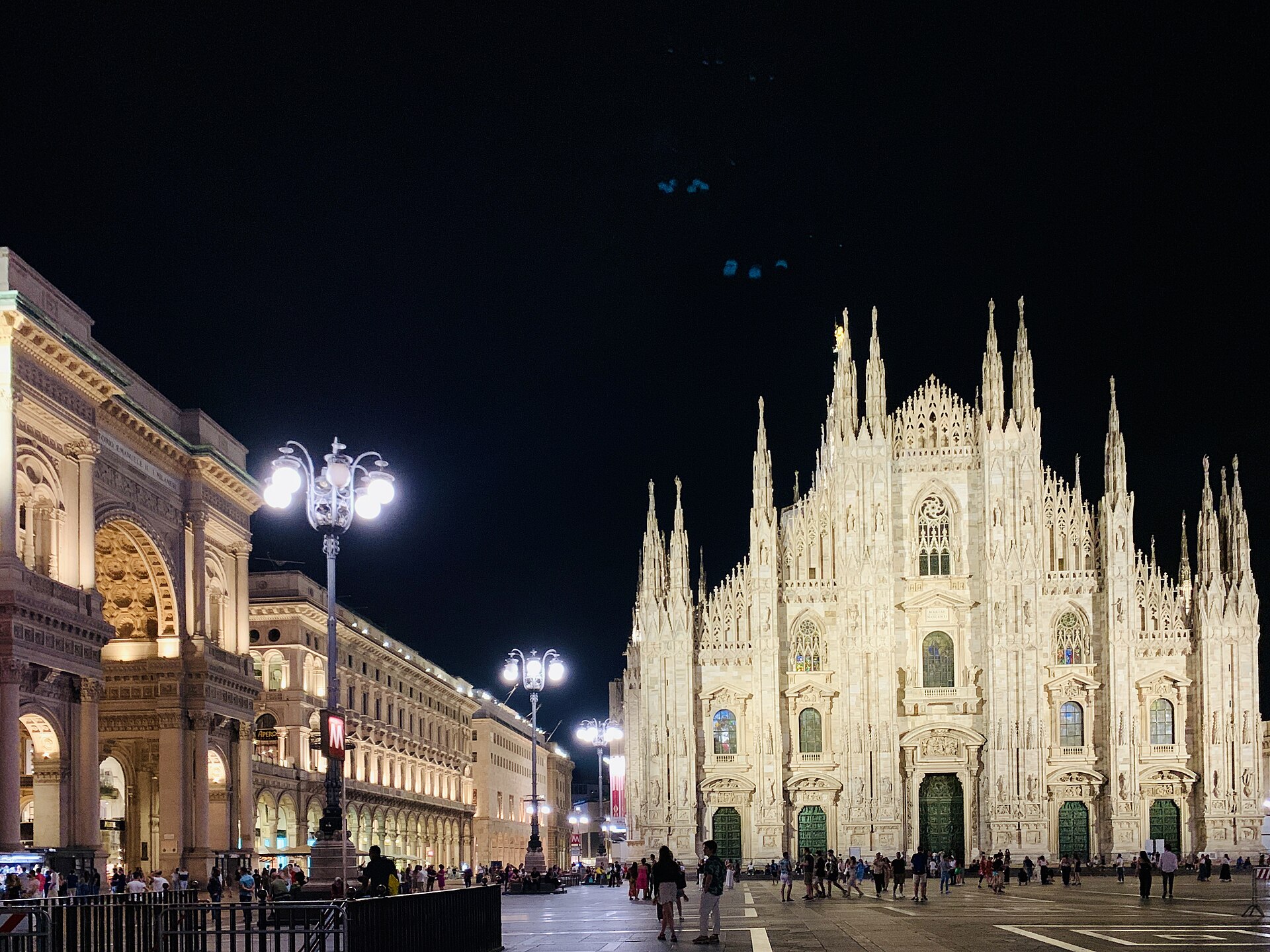
Here is the short version of where to stay in Milan: first-timers should base in or just beside the Centro Storico around the Duomo for walkability, choose Brera for old-Milan charm, Navigli for canals and nightlife, Porta Nuova–Garibaldi for modern Milan, and the blocks near Milano Centrale only if you want pure transit convenience. That covers most travelers. The rest of this guide is the part the hotel-affiliate lists skip: which areas are actually worth it, which to skip, and exactly how far each one sits from the cathedral.
I am writing this as someone who keeps coming back to Milan and keeps changing where I sleep depending on the trip. Milan is not Florence or Venice, where one historic core does all the work. It is a working city stitched together from neighborhoods that each have their own crowd, their own price, and their own reason to exist. Pick the wrong one for your trip and you will spend your evenings on the metro instead of in a wine bar. Pick the right one and the city clicks.
Where to stay in Milan at a glance
Before the deep dive, here is the whole city compressed into one table. “Price level” is my read on typical hotel rates as of 2026, not a promise about any single property, and Milan rates swing hard with the calendar (more on that below). Walking times are to Piazza del Duomo, the spot you will orient everything around.
| Neighborhood | Vibe | Best for | Price level |
|---|---|---|---|
| Centro Storico / Duomo | Grand, central, touristy | First-timers, short trips, shoppers | €€€–€€€€ |
| Brera | Cobbled, arty, romantic | Couples, slow wanderers, atmosphere | €€€€ |
| Navigli | Canals, aperitivo, loud at night | Nightlife, food, younger crowd | €€–€€€ |
| Quadrilatero d’Oro | Polished, designer, hushed | Luxury, fashion, shopping | €€€€ |
| Porta Nuova / Garibaldi / Isola | Sleek towers + indie Isola | Modern Milan, business, design week | €€€ (Isola €€) |
| Porta Venezia | Residential, leafy, inclusive | Repeat visitors, “live like a local” | €€–€€€ |
| Porta Romana | Quiet, residential, foodie | Second-time visitors, calm evenings | €€–€€€ |
| Around Milano Centrale | Functional, gritty, connected | Pure transit, very early trains | €€ |
| Città Studi / Lambrate | Student, residential, plain | Budget travelers on the metro | € |
Skim that, find the row that sounds like your trip, then read its section below for the honest pros and cons. If you are still deciding which Italian cities to combine Milan with, our where to stay in Italy overview puts these choices in national context, and the Milan and Northern Italy travel guide is the hub for everything else.
How to choose your base in Milan
Three questions settle it faster than any list of hotels.
How many days do you have? On a quick one or two-night stop, proximity wins. Stay central, near the Duomo or one metro stop out, and walk everywhere. With three or four days you can afford a more characterful base like Brera, Navigli, or Porta Venezia and treat the metro as your friend. If you are sketching the days themselves, hand that off to the 2 days in Milan plan and the things to do in Milan roundup; this guide stays in its lane, which is where you sleep.
How much does charm matter versus convenience? This is the real fork. The most convenient address in Milan, right on the Duomo, is also the least atmospheric place to wake up. The most charming streets, in Brera or along the canals, ask you to either pay up or walk a bit more. Be honest about which you value, because you cannot fully have both in the same block.
What is your budget, and when are you coming? Milan is the most expensive city in Italy for a bed, and it is wildly seasonal. A room that is reasonable in August can triple during Fashion Week or the Salone del Mobile design fair. I cover those date traps further down, and the Italy travel budget guide has the wider cost picture. The metro is so good that staying one or two zones out to save money is a genuinely smart move, not a compromise.
One reassurance up front: Milan’s metro has four clean, fast lines, plus trams and buses, and it reaches every neighborhood in this guide. A single ride runs around €2.20 as of 2026 and a 24-hour pass around €7.60. You do not need to be walking distance from everything. You need to be near a useful metro stop, and almost everywhere here is.
Centro Storico and the Duomo: best for first-timers
If this is your first trip and you want zero friction, base in the Centro Storico, the historic core wrapped around the Duomo. The cathedral, the Galleria Vittorio Emanuele II, La Scala, the Palazzo Reale, and the rooftop views are all within a few minutes of each other on foot. Wake up, walk, see the headline sights, come back to drop your bags. For a 48-hour trip there is no more efficient base in the city.
The trade-off is honest and worth saying plainly. This is the most touristed, most expensive, and frankly least characterful place to sleep in Milan. The streets immediately around the cathedral are full of day-trippers from morning to night, the cafes charge a premium for the view, and you will not stumble onto a quiet neighborhood bar around the corner, because there isn’t one. You are paying for the postcard, not the local life.
One specific tip that the affiliate lists never mention: the Duomo metro stop is a well-known pickpocket spot, especially on the platforms and escalators at peak times. I usually get on and off at Cordusio or Missori instead, both a short walk away, and keep my phone zipped. It is not dangerous, just opportunistic, the same as any major European tourist hub. Our Italy tourist scams guide covers the usual moves if you want the full rundown.
Who it suits: first-timers, people on tight one or two-day schedules, and serious shoppers who want the Galleria and the fashion streets on their doorstep. Who should look elsewhere: anyone after atmosphere, quiet, or value. Metro: M1 (red) and M3 (yellow) both stop at Duomo, so connections onward are excellent. Walk to the Duomo: zero, you’re on it.
Brera: the most atmospheric area to stay in Milan
If someone asked me for one neighborhood where Milan feels most like itself, I would say Brera before they finished the sentence. It sits just north of the Duomo, technically still the historic center, so you give up almost nothing in convenience. What you gain is cobblestones, ivy on the buildings, the Pinacoteca di Brera art gallery, antique shops, and small candlelit wine bars where the aperitivo runs long. It is the part of the city you walk through slowly and start mentally pricing apartments in.
The catch is money. Brera is expensive, sometimes eye-wateringly so, and the budget end here is thin. If your trip is a romantic few days or a milestone, it is worth stretching for. If you are counting every euro, you will get more room for your money two stops away and walk in for dinner.
Practically, Brera is a dream for walkers. You are roughly 15 minutes on foot from the Duomo, 5 to 10 minutes from Parco Sempione and the Sforza Castle, and about 20 minutes from Santa Maria delle Grazie, where Leonardo’s Last Supper lives (book that weeks ahead; tickets vanish). Multiple metro stops ring the area, mainly Montenapoleone on M3 (yellow) and Lanza and Moscova on M2 (green), so anywhere too far to walk is a short ride.
Who it suits: couples, design lovers, repeat visitors who want charm without sacrificing location, and anyone whose ideal evening is wandering with no fixed plan. Who should look elsewhere: budget travelers and night owls who want a loud scene (Brera is lovely but it goes to bed at a civilized hour). Price level: high. Walk to the Duomo: about 15 minutes.
Navigli: where to stay in Milan for nightlife and canals
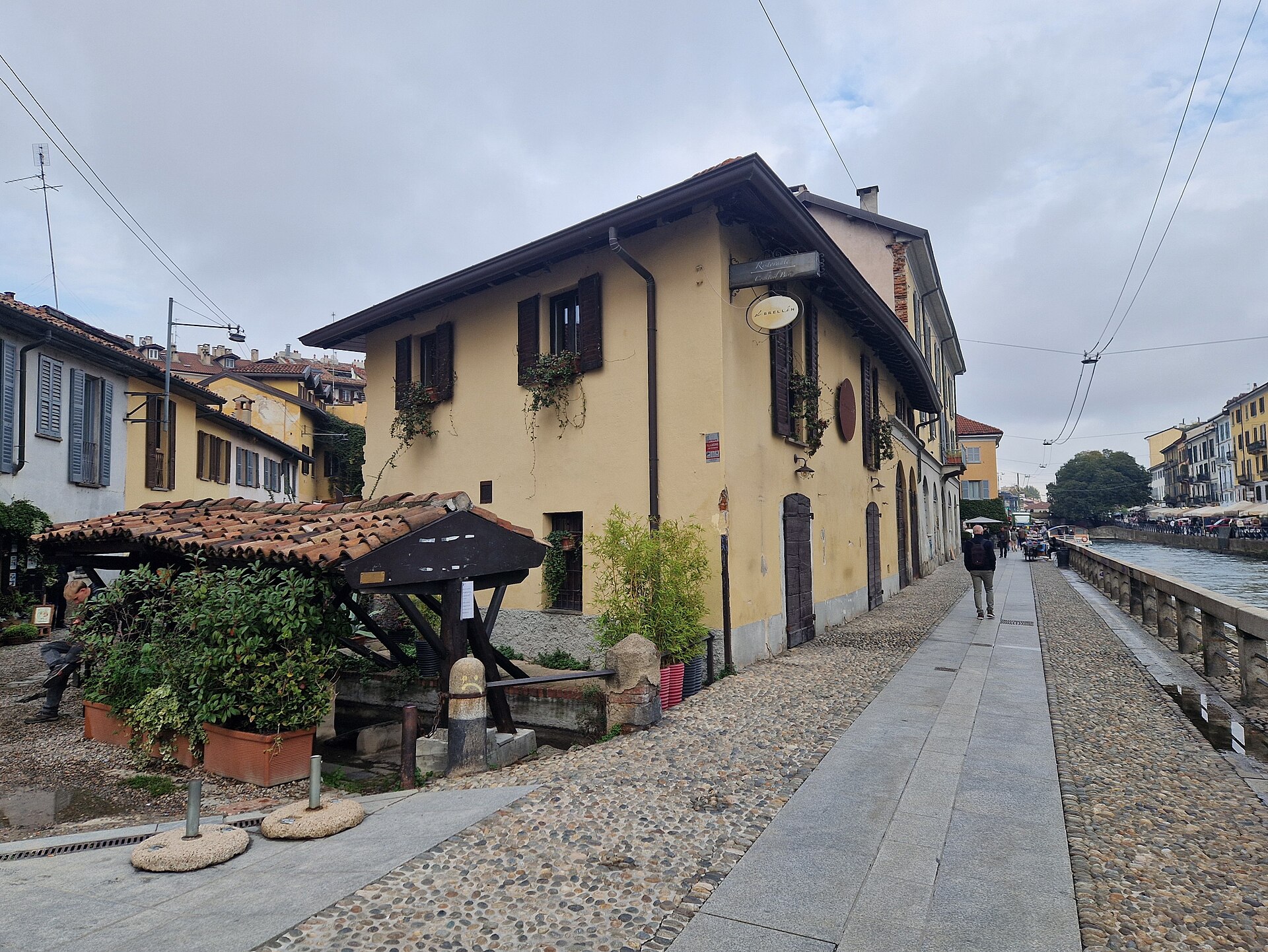
Navigli is where Milan goes out. The two surviving canals, the Naviglio Grande and the Naviglio Pavese, are lined with bars and trattorias that fill from early evening, and the local aperitivo ritual here can quietly turn into your whole night. By day it is relaxed and a little scruffy in the best way, with vintage shops and design studios along the water. By night, especially Friday and Saturday, it is loud, packed, and young. That is not a flaw. That is the entire point of staying here.
Be clear-eyed about the noise. If you base directly on the Naviglio Grande, your weekend nights will have a soundtrack whether you want one or not. Light sleepers should book a room set back from the canal or on a courtyard, and ask specifically. People who want the party at their feet should do the opposite and book right on the water.
Navigli looks far south on a map but isn’t really: it’s about a 30-minute walk from the Duomo, or a quick hop on M2 (green) from Porta Genova. If you visit during Milan Design Week in April, the Tortona district just north of the Naviglio Grande turns into one of the most creative few square kilometers in Europe, which is a reason to either be here or to book very early and brace for surge pricing.
Who it suits: nightlife seekers, food-and-drink travelers, younger crowds, and anyone who treats aperitivo as a sport. Who should look elsewhere: families, early risers, and light sleepers who want a quiet block. Price level: mid, with a wide range. Walk to the Duomo: about 30 minutes, or roughly 10 to 15 by metro.
Quadrilatero d’Oro: stay here for luxury and fashion
The Quadrilatero d’Oro, the Golden Rectangle, is four streets, Via Montenapoleone, Via della Spiga, Via Manzoni, and Corso Venezia, holding some of the most expensive retail on the planet. Prada, Armani, Versace, Gucci, the whole roll call. The hotels match: this is where Milan keeps its grandest, most design-forward five-stars, several of which feel like museums you can sleep in.
It abuts the Duomo and Brera, so location is impeccable. Honestly, for most travelers this is less a separate “where to stay” choice and more the splurge tier of the central area. Base here if shopping or pure luxury is the actual purpose of the trip, or if you simply want Milan at its most polished and you’re not pretending the price tag matters.
Who it suits: luxury travelers, dedicated shoppers, anyone celebrating something. Who should look elsewhere: everyone on a normal budget, who can stay a few minutes away for a fraction of the rate. Price level: top. Walk to the Duomo: 5 to 10 minutes.
Porta Nuova, Garibaldi and Isola: modern Milan
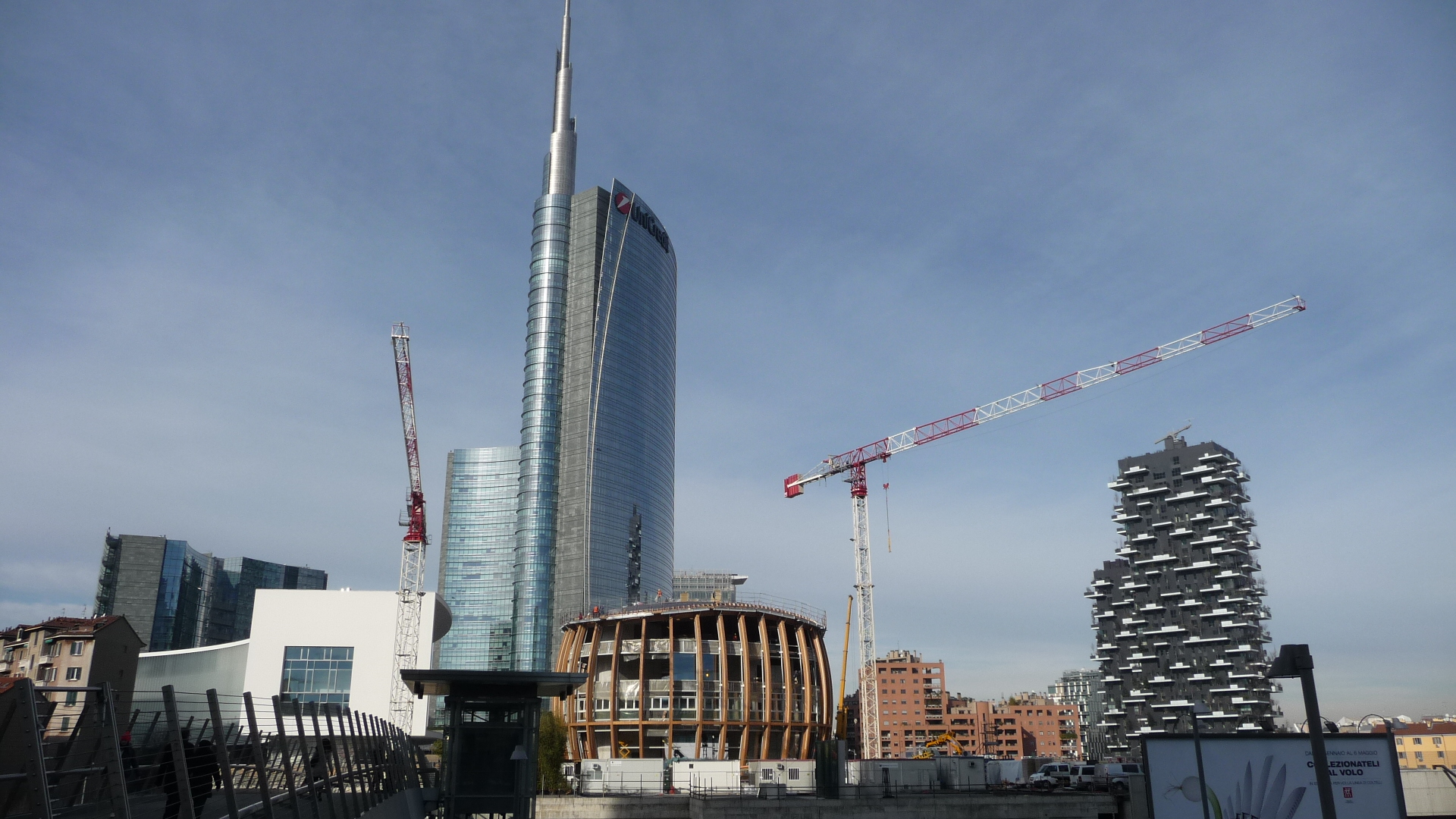
This cluster in the north is the city’s contemporary showcase. Porta Nuova is all glass towers and clean piazzas, anchored by Piazza Gae Aulenti and the famous Bosco Verticale, the vertical-forest towers with trees growing up their balconies. It is sleek, walkable in a different way than the old center, and extremely well connected. Right beside it, Isola is the scruffier, more interesting cousin: street art, independent boutiques, craft coffee, the Blue Note jazz club, and a dining scene with real edge.
Here is why I send a lot of people here. The transit is unbeatable. Porta Garibaldi station gives you M2 (green) and M5 (lilac), plus regional trains and, crucially, the Malpensa Express and direct trains toward Lake Como. If you are doing day trips or arriving and leaving by air, this is one of the smoothest bases in the city. Isola in particular often runs cheaper than Brera or the Duomo while keeping you genuinely close.
The downside is that Porta Nuova can feel a touch corporate in the evenings around the office towers, and you are a metro ride rather than a walk from the cathedral. For the airport logistics that make this area shine, see the Milan airport to city center guide, and for what lies beyond the city, the day trips from Milan options nearly all leave from stations near here.
Who it suits: business travelers, design and architecture fans, day-trippers, and anyone who wants modern Milan with great connections (pick Isola for value and character). Who should look elsewhere: travelers chasing classic old-Italy cobblestones. Price level: mid to high, Isola more affordable. Walk to the Duomo: about 20 to 25 minutes, or a few stops on M3.
Porta Venezia: a local feel without leaving the center
Porta Venezia is the area I steer people toward when they say they want to “live like a local” without actually being far from anything. It sits in the northeast, an easy walk or three quick metro stops from the Duomo, but the mood is residential: grand neoclassical buildings, the leafy Giardini Pubblici Indro Montanelli, excellent wine bars, a strong and welcoming LGBTQ scene, and the long shopping spine of Corso Buenos Aires. Tourists mostly skip it, which is exactly the appeal.
It is a smart pick for value too. You get a central-ish location with better rates than Brera or the Duomo, and the metro makes the small extra distance irrelevant. One practical note: Corso Buenos Aires is a busy, loud avenue, so if you book on it, request a room facing the courtyard or the back.
Metro: Porta Venezia and Lima on M1 (red) put you three to four stops from the Duomo. The big park on your doorstep, with its natural history museum, also makes this one of the more family-friendly central choices.
Who it suits: repeat visitors, travelers who want neighborhood life, families who value green space, value-minded people who still want to be central, and anyone who finds the Duomo crowds exhausting. Who should look elsewhere: first-timers on a single night who want to roll out of bed onto Piazza del Duomo. Price level: mid. Walk to the Duomo: about 25 to 30 minutes, or roughly 10 by metro.
Porta Romana: a quieter Milan worth knowing
Porta Romana rarely makes these lists, which is half the reason to consider it. South of the center, it is genuinely residential: tree-lined streets, a calm pace, very good restaurants that aren’t performing for tourists, and the kind of evening quiet that the Duomo area cannot offer. The cultural anchor is the Fondazione Prada arts complex, a converted distillery with a serious contemporary collection and the gold-leaf Bar Luce designed by Wes Anderson, which is as charming as that sounds.
This is a second-visit neighborhood. If you have already done the Duomo-and-Galleria circuit on a previous trip, or you simply want to experience Milan as a place people actually live, Porta Romana delivers that at a sane price. It is well served by M3 (yellow), so the center is a short ride, and it is one of the calmer bases for anyone who values sleep.
Who it suits: returning visitors, calm-seekers, foodies, and travelers who want a real neighborhood over a sightseeing base. Who should look elsewhere: first-timers who want to maximize on-foot sightseeing. Price level: mid. Walk to the Duomo: about 20 to 25 minutes, or a few stops on M3.
Around Milano Centrale: convenient, less charm, watch the immediate blocks
Let me be straight about the area around Milano Centrale, because the listicles tend to oversell it. The case for it is pure logistics. Almost every train into Milan and the airport trains from both Malpensa and Linate funnel into Centrale, so for a single overnight, a dawn departure, or a layover where you just need a bed near the platforms, it is hard to beat. The station itself, a colossal 1931 monument, is genuinely worth ten minutes of staring.
The case against it is everything else. The immediate streets right around the terminus are functional at best and a little rough at night, the same as the blocks around most big-city stations in Europe. It is not dangerous in daylight, but it is not where Milan’s good bars, restaurants, or street life are, and you will be commuting in to enjoy the city. If you do book here, favor hotels a few blocks toward Porta Nuova or the Repubblica area rather than directly facing the station, and you’ll get the convenience without the dead-zone feeling.
Who it suits: very short stops, early trains, late arrivals, and travelers who prioritize transit above all. Who should look elsewhere: anyone on a proper city break who wants to walk out into a neighborhood worth being in. Metro: Centrale on M2 (green) and M3 (yellow). Walk to the Duomo: a long 30-plus minutes, so realistically a 10-minute metro ride.
Città Studi and Lambrate: best for budget
If the bed is just a place to sleep and you would rather put the savings toward dinners and day trips, look east to Città Studi, Milan’s university district, and neighboring Lambrate. These are plain, residential, student-priced areas with no particular charm and no real sightseeing, but they are safe, well connected, and meaningfully cheaper than anywhere central. With the metro doing the heavy lifting, “further out” costs you a few minutes, not your trip.
Who it suits: budget travelers, students, long-stay visitors, and anyone happy to trade atmosphere for rate. Who should look elsewhere: short-trip travelers who want to walk to sights, and anyone who wants a lively base in the evenings. Metro: Lambrate and the Città Studi stops on M2 (green); Lambrate also has a regional rail station. Price level: low. Walk to the Duomo: too far, plan on roughly 15 minutes by metro.
Where to stay in Milan by type of traveler
Neighborhoods are one lens. Here is the same decision sorted by who you are.
First-time visitors
Stay in the Centro Storico or one stop out, in Brera or Porta Venezia. You want to walk to the Duomo, the Galleria, and La Scala without thinking, and all three options deliver that. Brera adds charm for a bit more money; Porta Venezia adds local life for a bit less. Any of the three beats overthinking it.
Couples and romance
Brera, full stop, if the budget allows: cobbled lanes, wine bars, and the Last Supper a walk away. For a quieter, more residential romance at a gentler price, Porta Venezia or Porta Romana both have candlelit dinners and calm streets without the crowds.
Nightlife
Navigli is the obvious answer, with Isola as the cooler, lower-key alternative for cocktails and live music. Base on or near the canals if you want to roll home from the bar, and accept the weekend noise as part of the deal.
Families
Porta Venezia wins for me: the big park with its natural history museum, residential calm, space, and still close to the center by metro. Apartments and aparthotels across the central neighborhoods also tend to suit families better than tight hotel rooms, and the metro is easy with kids.
Business and design week
Porta Nuova and Garibaldi for towers, transit, and a corporate-friendly setup, or the Tortona–Navigli axis if your reason for visiting is the Salone del Mobile in April. A serious warning that the listicles bury: during the Salone del Mobile and during the two Fashion Weeks, hotel prices across the whole city spike dramatically and availability evaporates. If your trip overlaps, book months ahead and expect to pay a premium, or deliberately stay a zone out and commute in.
Budget
Città Studi or Lambrate for the lowest rates, Isola for cheap-and-cool, and Navigli’s back streets for mid-range with character. The metro means none of these strand you. Pair this with the Italy travel budget guide and you can do Milan without the central-hotel sticker shock. For getting between cities cheaply, the Italy transportation guide is worth a read before you book trains.
Practical specifics: booking, price surges, and the tourist tax
A few concrete things that will save you money and aggravation.
When to book. For normal dates, booking a few weeks out is fine and gives you decent choice. For anything in spring or autumn, book earlier, because Milan’s event calendar is relentless and a single trade fair can fill the city.
Fashion Week and Salone del Mobile surges. This is the big one. Milan Fashion Week runs roughly February to March and again September to October, and the Salone del Mobile furniture fair takes over a week in April. During these, room rates can easily double or triple and the good places sell out months ahead. If you can avoid these windows, your wallet will thank you. If you can’t, book as far in advance as humanly possible and consider basing yourself one or two metro stops out from the center to dodge the worst of the pricing. The wider question of when to come is covered in the best time to visit Italy guide.
The city tourist tax. Milan charges a per-person, per-night tax (the imposta di soggiorno) that scales with your hotel’s star rating, typically a few euros a night per guest and higher for luxury properties, usually capped at a set number of nights. It is rarely included in the headline room rate and is often collected at checkout, sometimes in cash, so keep a little aside and don’t be surprised by it.
Which neighborhood to avoid basing in. I would not build a city break around the immediate blocks directly facing Milano Centrale unless transit is your only priority; you’ll be commuting in to reach the good parts of town. I would also skip basing way out by the Fiera Milano / Rho fairgrounds on the far northwest edge, which exists to serve trade-show attendees and is a dull, disconnected place to spend your evenings. Stay where the city actually lives.
For the bigger arc of how Milan fits a longer trip, the Italy itineraries collection and the main Italy travel guide tie the regions together, and the Italy food and wine travel guide is good background before you start booking dinners around your chosen base.
Final thoughts
The honest takeaway on where to stay in Milan is that there is no single right answer, only the right answer for your trip. Short and sightseeing-led, stay central near the Duomo. Chasing charm, go to Brera. Out for nightlife, pick Navigli. After modern Milan and easy transit, choose Porta Nuova or Garibaldi, and Isola if you want value with it. Watching the budget, head to Città Studi or Isola and lean on the metro. Match the neighborhood to the version of Milan you actually want, book early if your dates brush Fashion Week or the Salone, and the city will feel like it was waiting for you.
Questions travellers ask
What is the best area to stay in Milan for first-time visitors?
The Centro Storico around the Duomo is the most practical first-time base, putting the cathedral, the Galleria, and La Scala within an easy walk. If your budget stretches, Brera gives you the same convenience with far more charm. For a more local feel at a gentler price, stay one or two metro stops out in Porta Venezia. All three keep sightseeing simple.
Is it safe to stay near Milano Centrale station?
Yes, broadly. The area around Milan’s main station is busy and a little gritty, like the blocks around most large European terminals, but it is not dangerous in daylight and fine for a short, transit-focused stay. The real downside is atmosphere, not safety. Favor hotels a few blocks toward Porta Nuova rather than directly facing the station, and keep an eye on your bags.
Where should I stay in Milan for nightlife?
Navigli is the clear answer. The canal district, especially along the Naviglio Grande, is where aperitivo and late-night Milan concentrate, with bars filling from early evening and staying loud on weekends. Isola is the cooler, slightly quieter alternative, with craft cocktails and live jazz. Base on or near the canals if you want to walk home from the bars.
How far is Brera from the Duomo?
Brera sits just north of the cathedral and is roughly a 15-minute walk from Piazza del Duomo, so you barely sacrifice convenience for its cobbled, atmospheric streets. Parco Sempione and the Sforza Castle are even closer, about 5 to 10 minutes on foot. Several metro stops, including Montenapoleone and Lanza, ring the area for trips further out.
Where is the cheapest place to stay in Milan?
The most affordable beds are out east in Città Studi and Lambrate, Milan’s residential and university districts, where rates run well below the center. Isola offers cheap-and-cool, and Navigli’s back streets have solid mid-range options. Because the metro is fast and cheap, around €2.20 a ride, staying a zone or two out barely costs you time while saving real money.
Do hotel prices in Milan really spike during Fashion Week?
Yes, dramatically. During the two Fashion Weeks (around February–March and September–October) and the Salone del Mobile design fair in April, room rates across Milan can double or triple and the best places sell out months ahead. If your dates overlap, book as early as you can and consider staying one or two metro stops out from the center to soften the cost.
Is Milan walkable, or do I need the metro?
Both. The central neighborhoods, from the Duomo through Brera and into the fashion streets, link together comfortably on foot. For anything beyond that core, Milan’s four-line metro is clean, fast, and cheap, and it reaches every area in this guide. The smart approach is to walk the center and let the metro handle the longer hops to Navigli, the station, or your day-trip departures.