Best Areas to Stay in Rome, Florence and Venice Compared
You can book the wrong neighborhood in any of these three cities and still have a fine trip. But you can also book the right one and shave half an hour of walking off every single day, sleep better, and pay less for dinner. That gap is what this guide is about.
The single safest first-timer answer for the best area to stay Rome Florence Venice is this: Rome’s Centro Storico (the Pantheon–Piazza Navona core), Florence’s historic center near the Duomo, and Venice’s San Polo beside the Rialto Bridge. Each puts you inside the postcard, on foot, from breakfast to nightcap. This is for travelers with three to four nights per city who want to walk, not commute.
If that’s all you came for, you have your answer. If you want to know why, where to save money, and which areas to actively avoid, keep reading. I’m going to take you inside each city by neighborhood, because that’s the decision that actually changes your trip.
The quick comparison
Here’s the shape of it before we go deep. One strong area per city, with what it does best.
| City | Top area for first-timers | Best for | Vibe | Cost (as of 2026) | Walk to main sights |
|---|---|---|---|---|---|
| Rome | Centro Storico (Pantheon / Navona) | Walking to everything | Lively, romantic, touristy | High | 0–10 min to the core |
| Florence | Historic center (around the Duomo) | First-timers who want it all on the doorstep | Compact, monumental, busy | High | 0–5 min |
| Venice | San Polo (near Rialto) | First Venice trip, central but human | Local-ish, market energy | Mid–high | 5–15 min to San Marco |
Now the real work. Each city has three or four areas worth your attention, and a couple worth knowing about so you can skip them.
For the full picture of how these cities fit into a larger trip, the where to stay in Italy pillar covers regions, pacing, and the overall logic of basing yourself. This article goes one level down, into the streets.
Rome
Rome is big, sprawling, and broken up by the Tiber and a tangle of hills, so neighborhood choice matters more here than in the other two. The good news is that the historic core is genuinely walkable, and three or four areas cluster close enough to it that you’ll never feel stranded.
Centro Storico — the safe, central pick
This is the maze between the Tiber and Via del Corso: Pantheon, Piazza Navona, Campo de’ Fiori, the Trevi Fountain a short stroll east. Stay here and you can walk for two or three days before you ever think about the metro. Step out at 7am and the streets are nearly empty, cream-colored facades catching the light, espresso bars opening their shutters. That early-morning version of the center is the reason to pay for it.
And you will pay. Centro Storico is the most expensive part of Rome to sleep in, and the streets fill with day crowds by mid-morning. Rooms can also be small and the buildings old, so air conditioning and quiet windows are worth checking. But for a first trip where you want zero friction between you and the sights, this is the one I’d book.
Who it’s for: first-timers, romantics, anyone with two or three nights who wants to maximize walking.
Monti — central but calmer, my value pick
Monti sits between the Colosseum and the historic center, just uphill from the Forum. Here’s its trick: it’s superbly located but has almost no major sights of its own, so it never gets swamped the way the center does. You get cobbled lanes, vintage shops, wine bars full of Romans, and the Colosseum a ten-minute walk away. Prices tend to run a notch below Centro Storico, and the evening buzz is real without being chaotic.
If you want ancient Rome on your doorstep but a quieter base to come home to, Monti is the smart compromise. I send a lot of second-time visitors here, and plenty of first-timers who’d rather spend the saved money on dinners.
Who it’s for: ancient-history lovers, repeat visitors, value-seekers who still want to walk everywhere.
Trastevere — atmosphere over convenience
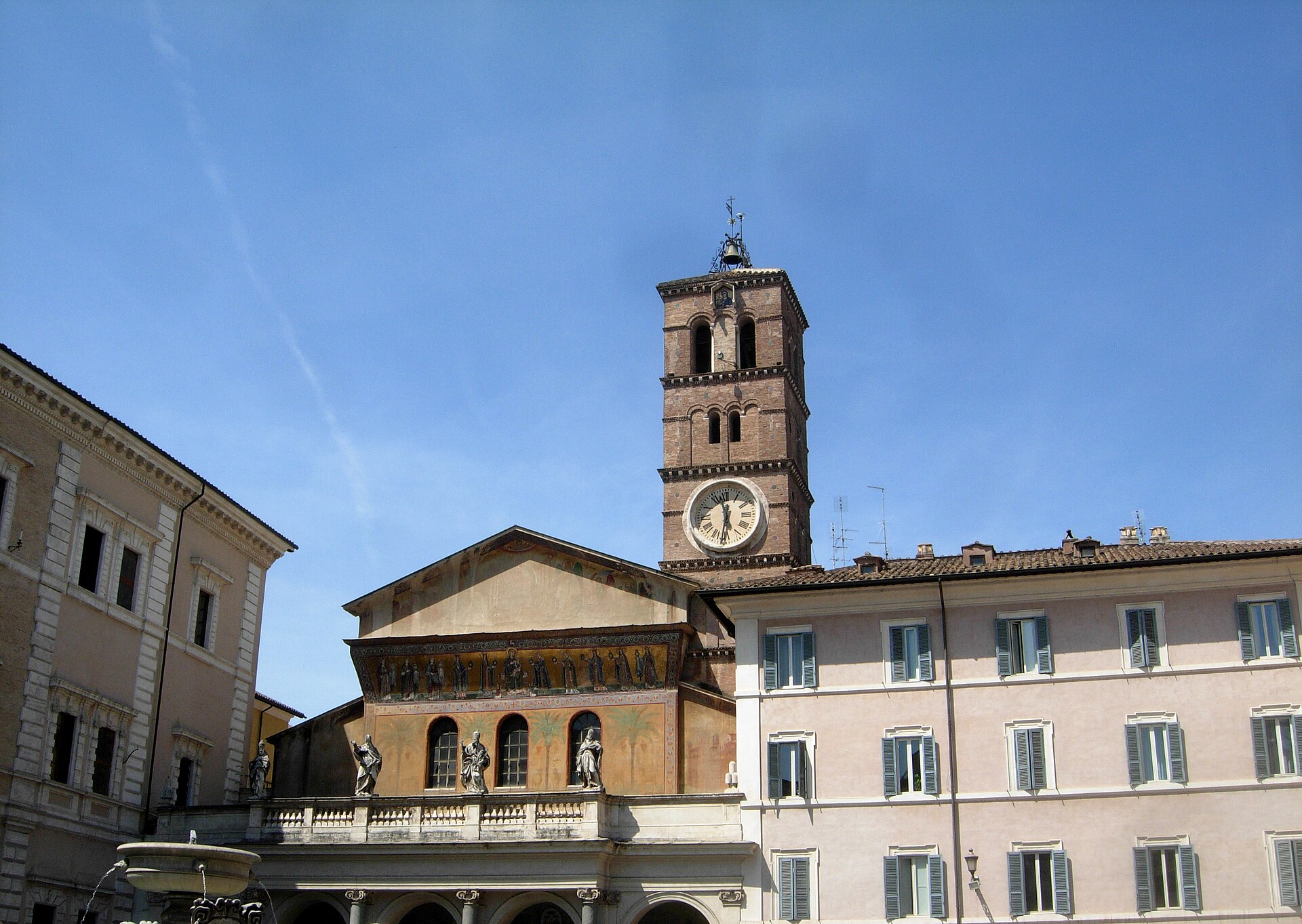
Across the river, Trastevere is the Rome of shuttered houses, ivy, tiny piazzas, and trattorias that spill onto the cobbles at night. It’s the most “I’m in a movie” of the neighborhoods, and dinner here is a highlight of a lot of trips. It’s also less tourist-dominated by day than the center, with locals doing their shopping in the morning markets.
The catch is distance and noise. You’re roughly a 25–30 minute walk from the Pantheon and the main monument cluster, which is fine but adds up over several days. And the nighttime energy that makes Trastevere fun also makes it loud, so a room facing a piazza can be a problem. Light sleepers should ask for something on a back lane.
Who it’s for: returnees, food-and-atmosphere travelers, couples who’ll happily walk or grab a taxi to the sights.
Prati / near the Vatican — calm, family-friendly, a bit removed
Prati is the orderly, residential grid just north of Vatican City. Wide streets, good restaurants without the tourist markup, and St. Peter’s and the Vatican Museums within easy reach. It’s safe, quiet at night, and easier to navigate with a stroller than the cobbled center. The trade-off: most other big sights are a 25–30 minute walk or a metro ride away, so you’re slightly outside the action.
Who it’s for: families, Vatican-focused visitors, anyone who prefers a calmer, more local base and doesn’t mind a short commute.
A word on Termini
Termini is the main train station, and the area around it is where the cheap hotels cluster. It’s convenient for arrivals and departures and well connected by metro, which is the honest appeal. But the immediate streets are the city’s pickpocket capital, it’s not charming, and you’ll be walking 20–30 minutes (or riding) to reach the center several times a day. If budget pushes you here, aim for the safer, quieter pocket southwest of the station toward the Opera House rather than the blocks right behind the platforms. For most first-timers, I’d spend a little more and stay in Monti instead.
For the granular hotel-by-area detail in the capital, see the dedicated where to stay in Rome guide. For what to actually do once you’re based, our pick of the highlights in Rome and the 3 days in Rome itinerary pair well, and the Rome tourism overview ties it together.
Florence
Florence makes this easy. The whole historic core is small enough to cross on foot in 20 minutes, so almost anywhere central works. The decision is really about how much atmosphere versus how much quiet you want, and how willing you are to cross the river for a more local feel.
Historic center, around the Duomo — the default first-timer choice
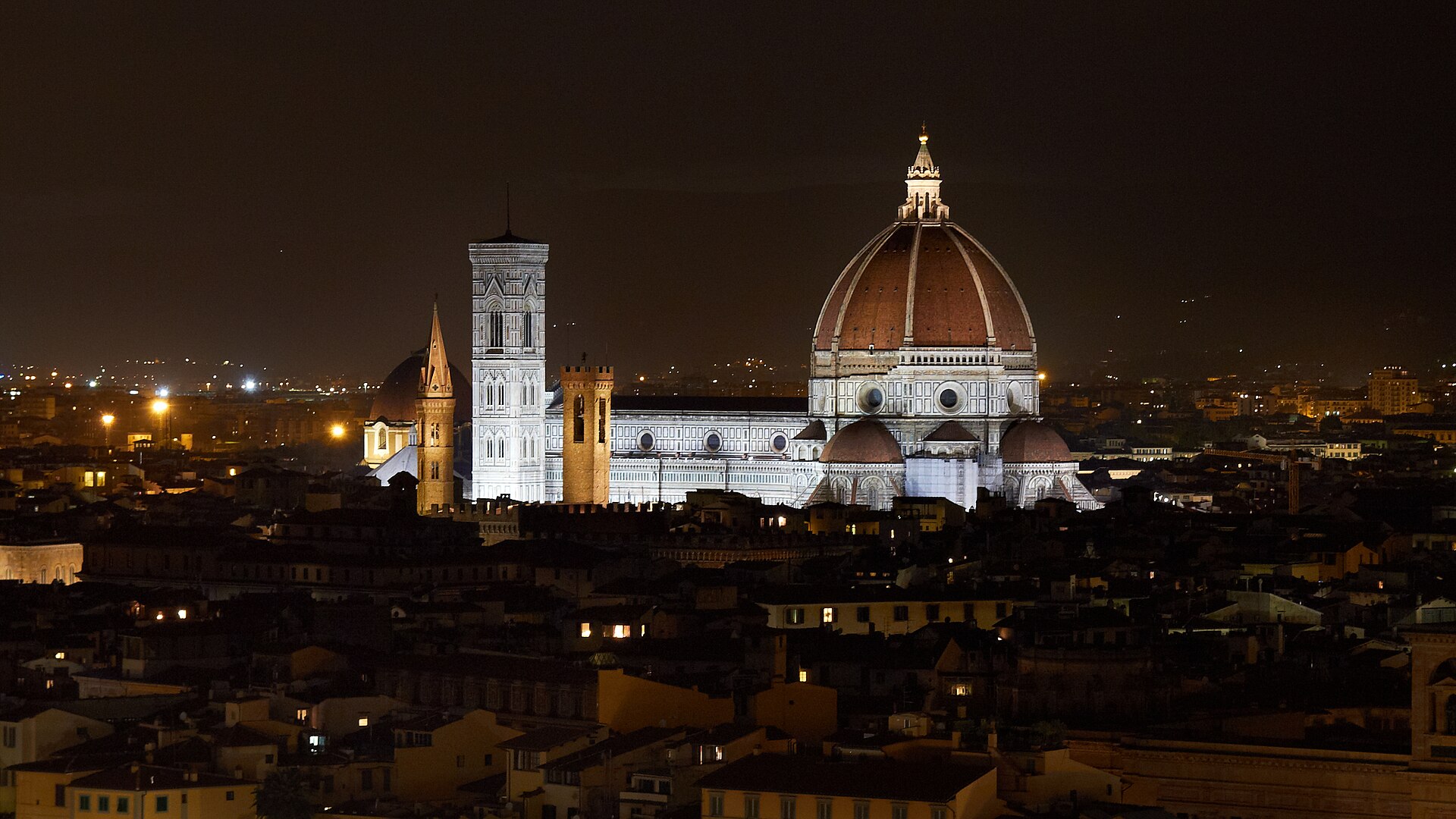
The streets around the Duomo and Piazza della Signoria put you on top of everything: the cathedral, the Uffizi, Ponte Vecchio, the leather markets, all within a few minutes’ walk. For a first visit with two or three nights, this is the simplest, surest base. You wake up, walk out, and you’re there.
It’s busy and not cheap, and you’ll share the streets with a lot of day-trippers, but Florence’s center empties out beautifully in the early morning and after dinner. Book here and you waste no time.
Who it’s for: first-timers, short stays, anyone who prioritizes proximity above all.
Santa Maria Novella — near the station, slightly cheaper
This is the western slice of the center, around the train station and the church it’s named for. The appeal is practical: you’re a short walk from both the train (easy arrivals and departures) and the main sights, often for a little less than the streets right by the Duomo. The downside is character. The blocks immediately around the station are the least charming part of central Florence and can feel flat in the evenings.
Who it’s for: travelers arriving and leaving by train, value-minded visitors who still want to walk to the Duomo in ten minutes.
Santa Croce — lively, great for eating and drinking
East of the center around the basilica of Santa Croce, this is the most fun corner of Florence after dark, with a strong restaurant and bar scene, especially toward the river. It’s touristy but not overrun, and it’s an easy walk to everything. I’d point couples and groups who want some nightlife here, but families with young kids or anyone wanting a peaceful retreat should look elsewhere.
Who it’s for: couples, friends, food-and-wine travelers who want atmosphere on their doorstep.
Oltrarno and San Niccolò — across the river, more local
Cross the Arno and the mood shifts. The Oltrarno (around Santo Spirito and San Frediano) is the artisan side of Florence: workshops, neighborhood trattorias, a more lived-in feel, and noticeably less tourist intensity than north of the river. It’s still an easy walk to the main sights and, in my view, a more pleasant place to come home to. San Niccolò, tucked at the eastern end, is quieter and prettier still, but it’s hilly, sleepy at night, and a longer walk from the Duomo, so I’d save it for a repeat trip rather than a first one.
Who it’s for: returnees, slower travelers, anyone who wants a real-neighborhood feel and doesn’t mind crossing a bridge.
The dedicated where to stay in Florence guide goes deeper on specific lodging areas. For planning around it, our pick of the highlights in Florence, the 3 days in Florence itinerary, and the broader complete guide to Florence and Tuscany are the natural next reads.
Venice
Venice is the one where neighborhood choice genuinely shapes your mood. The city is divided into six sestieri, and because it’s so compact, even the “far” ones are rarely more than 20–30 minutes on foot from San Marco. So the real question isn’t distance, it’s crowds, cost, and how much you want the postcard versus the lived-in city.
One housekeeping note before the areas: Venice charges a day-tripper access fee on certain peak days. As of 2026 it applies on selected Friday–Sunday dates across April through July, during daytime hours, at roughly €5 if you book ahead or about €10 last-minute. The important part for you: overnight guests with a hotel or lodging booking are exempt. Confirm current dates and amounts before you go, but if you’re sleeping in Venice, this almost certainly doesn’t apply to you.
San Polo — central without the San Marco circus
San Polo wraps around the city side of the Rialto Bridge, with the Grand Canal, the Rialto Market, and a dense web of bacari (wine bars) and small restaurants. It’s central, walkable to San Marco in 10–15 minutes, and it keeps a bit of everyday Venetian life thanks to the market. For a first Venice trip, this is the area I’d book: you’re in the middle of things but not standing in the worst of the crush.
Who it’s for: first-timers who want central and lively but not overwhelming.
San Marco — iconic, expensive, crowded by day
San Marco is the postcard: the basilica, the bell tower, the famous square. It’s also the most crowded part of the city, genuinely unpleasant from mid-morning to early evening, and the most expensive place to sleep, eat, and drink. The case for it is the early mornings and late nights, when the day-trippers have left and you have the most beautiful square in the world nearly to yourself. If your budget is comfortable and that quiet-hours payoff matters to you, it can be worth it. Otherwise, you can visit San Marco easily and sleep somewhere calmer.
Who it’s for: splurge travelers who want to be in the heart of the icon and will use the early/late hours.
Cannaregio — quieter, more local, good for families
In the north of the island, Cannaregio is one of the calmer, more residential sestieri, with a real neighborhood feel, the historic Jewish Ghetto, and a lively canal-side strip of restaurants. It’s an easy walk to the train station, well served by vaporetto and airport boat connections, and noticeably better value than the center. Families and anyone wanting quieter evenings do well here. Staying near the train station also makes arriving and leaving with luggage far simpler.
Who it’s for: families, value-seekers, travelers who want a local base with easy transit.
Dorsoduro — arty, student energy, budget-friendlier
Dorsoduro runs along the south of the island and feels younger thanks to the university at its northern end. You get major art (the Accademia, the Guggenheim), a great waterfront promenade, lovely light, and, because of the students, food and drink that’s gentler on the wallet than San Marco. It’s still walkable to the main sights and is a favorite of mine for a slightly bohemian, budget-aware stay.
Who it’s for: art lovers, younger travelers, anyone wanting atmosphere and better prices while staying on the island.
Castello — the most local, quietest evenings
Castello is the largest sestiere and the most genuinely local-feeling, with laundry strung between windows and kids playing in the squares once you get past the bit near San Marco. Evenings are calm and value is good. The trade-off is that the eastern reaches are a longer walk from the action. It’s a lovely choice for a repeat visit or a longer, slower stay.
Who it’s for: returnees, slow travelers, anyone chasing the real, residential Venice.
Mestre — the budget trade-off on the mainland
Mestre is not Venice; it’s the modern mainland town a short train ride away (around €2, a few minutes, trains and buses running constantly). Hotels are markedly cheaper, often well under €100, rooms are bigger and more modern, and arriving with luggage is far easier because you’re not hauling bags over bridges. For a budget trip, a longer stay, or a return visit, it’s a defensible, sensible choice.
But understand what you give up: the magic. Staying in Mestre, you only borrow Venice during the day. You miss waking up to it, and you miss the city at night, which is when it’s at its most extraordinary and emptiest. For a first trip, I’d find the money to sleep on the island even if it means a smaller room or fewer nights. For trip number two, Mestre earns its place.
Who it’s for: budget travelers, families needing space, repeat visitors, anyone arriving with heavy luggage.
The dedicated where to stay in Venice guide drills into specific areas and logistics. For the rest of the trip, things to do in Venice, the 2 days in Venice itinerary, and the Venice and Veneto travel guide round it out.
How to choose the best area to stay Rome Florence Venice: where to stay across the Italy big three
If you’re sorting out where to stay Italy big three style, deciding all three cities in one sitting, here’s the framework I actually use. Match your base to the kind of traveler you are, not to whatever ranks first on a hotel site.
First-timers should buy convenience. Centro Storico in Rome, the Duomo area in Florence, San Polo in Venice. You’ll lose less time, do more, and the slightly higher price pays for itself in shoe leather saved. Proximity to the sights beats proximity to the train station every time for a first trip, because you spend far more days walking to monuments than you do catching trains.
Returnees can trade some convenience for character. Monti or Trastevere in Rome, the Oltrarno in Florence, Castello or Dorsoduro in Venice. You already saw the headline sights last time, so a more local, quieter base is the upgrade.
Families want space, calm, and easy logistics. Prati in Rome, Cannaregio in Venice, and in Florence either a quieter edge of the center or the Oltrarno. Bigger rooms, gentler evenings, fewer stairs and crowds to wrangle with kids.
Budget travelers have a clear playbook. In Rome, the area southwest of Termini if you must, or better, hunt for value in Monti’s edges. In Florence, Santa Maria Novella near the station or across the river in the Oltrarno. In Venice, Dorsoduro or Cannaregio on the island, or Mestre on the mainland if you’ll accept the trade-off.
A few cross-city specifics worth holding in your head:
- Station vs. sights. Staying near the main station is convenient for exactly two moments of your trip: arrival and departure. The rest of the time you want to be near the things you came to see. Don’t over-weight the station.
- Noise and tourist traps. The liveliest areas (Trastevere, Santa Croce, the strip right by Rialto) are fun but loud, and restaurants with photo menus and a host waving you in near the top sights are usually the weakest meals. Walk two streets off the main square in any of these cities and both your dinner and your room get better.
- Driving. You almost certainly won’t want a car in any of these three. All three centers have ZTL (limited-traffic) zones that fine unauthorized cars, parking is a nightmare, and Venice has no roads at all. If a road trip bookends your cities, park outside the center and arrive by train. The Italy transportation guide covers the train-first approach.
If you’re still weighing which cities to prioritize, or whether to split nights differently, the best cities to stay in Italy sibling tackles the city-level decision, and hotel vs Airbnb in Italy helps with the booking-type question once you’ve picked your neighborhood. To stitch the whole route together, see the Italy itineraries hub.
Final thoughts
The pattern across all three cities is the same. For a first trip, pay a little more to sleep in the center and walk to everything: Centro Storico, the Duomo area, San Polo. For a second trip, trade some convenience for character in the quieter, more local neighborhoods, and let budget decide whether Mestre or a station-side room makes sense. Get the neighborhood right and these cities feel effortless. Start with the best areas to stay across Italy
Questions travellers ask
What is the best area to stay in Rome for first-time visitors?
The Centro Storico, the historic core around the Pantheon, Piazza Navona, and Campo de’ Fiori. You can reach most major sights on foot in minutes, the early-morning and late-evening atmosphere is unbeatable, and you waste no time commuting. It’s pricey and busy by day, but for a first trip the convenience is worth it.
Is it better to stay near the Duomo or the train station in Florence?
For a first visit, stay near the Duomo. Florence’s center is tiny, so being beside the cathedral puts everything on your doorstep. Santa Maria Novella by the station is a touch cheaper and great for train arrivals, but it’s less charming and only saves you a ten-minute walk. Proximity to sights wins for short stays.
Which sestiere is best to stay in for a first time in Venice?
San Polo, beside the Rialto Bridge, is the sweet spot for a first Venice trip: central, walkable to San Marco in about 10–15 minutes, and lively with market and wine-bar energy without the worst of the San Marco crowds. Dorsoduro and Cannaregio are excellent runners-up if you want better value or a quieter, more local feel.
Should I stay in Mestre or in Venice itself?
For a first trip, stay on the Venice island even if the room is smaller. Mestre is cheaper, more modern, and easier with luggage, but you only experience Venice during the day and miss the city at night, which is its best version. For a budget trip, a longer stay, or a return visit, Mestre becomes a reasonable, money-saving choice.
Is it safe to stay near Termini Station in Rome?
It’s generally fine with normal big-city caution, but it’s the most pickpocket-prone area in Rome and not the prettiest. The immediate station streets feel rough late at night. If you book here for the price, choose the quieter pocket southwest toward the Opera House rather than the blocks right behind the platforms, and keep an eye on your bag in the station.
Do I have to pay Venice’s access fee if I’m staying overnight?
No. The day-tripper access fee applies to people visiting Venice without an overnight booking, on selected peak days. As of 2026 it runs on certain Friday–Sunday dates from April through July during daytime hours, around €5 if booked ahead or about €10 last-minute. Overnight guests with a hotel or lodging reservation are exempt. Always confirm the current dates before traveling.
Is Trastevere a good area to stay for first-time visitors to Rome?
It’s wonderful for atmosphere and dinner, with cobbled lanes and a strong restaurant scene, and it’s less tourist-dominated by day than the center. The downsides are a 25–30 minute walk to the main monuments and genuine nighttime noise. I’d recommend it for returnees, food-focused travelers, and couples happy to walk or grab a taxi, more than for a rushed first visit.
How many nights should I spend in each of Rome, Florence, and Venice?
A common, comfortable split is three to four nights in Rome, two to three in Florence, and two in Venice, which is why central, walkable bases matter so much: you want zero wasted time. If your nights are tighter, lean even harder toward the most central neighborhood in each city. The Italy itineraries hub has full routings.