Dolomites and Italian Alps Travel Guide
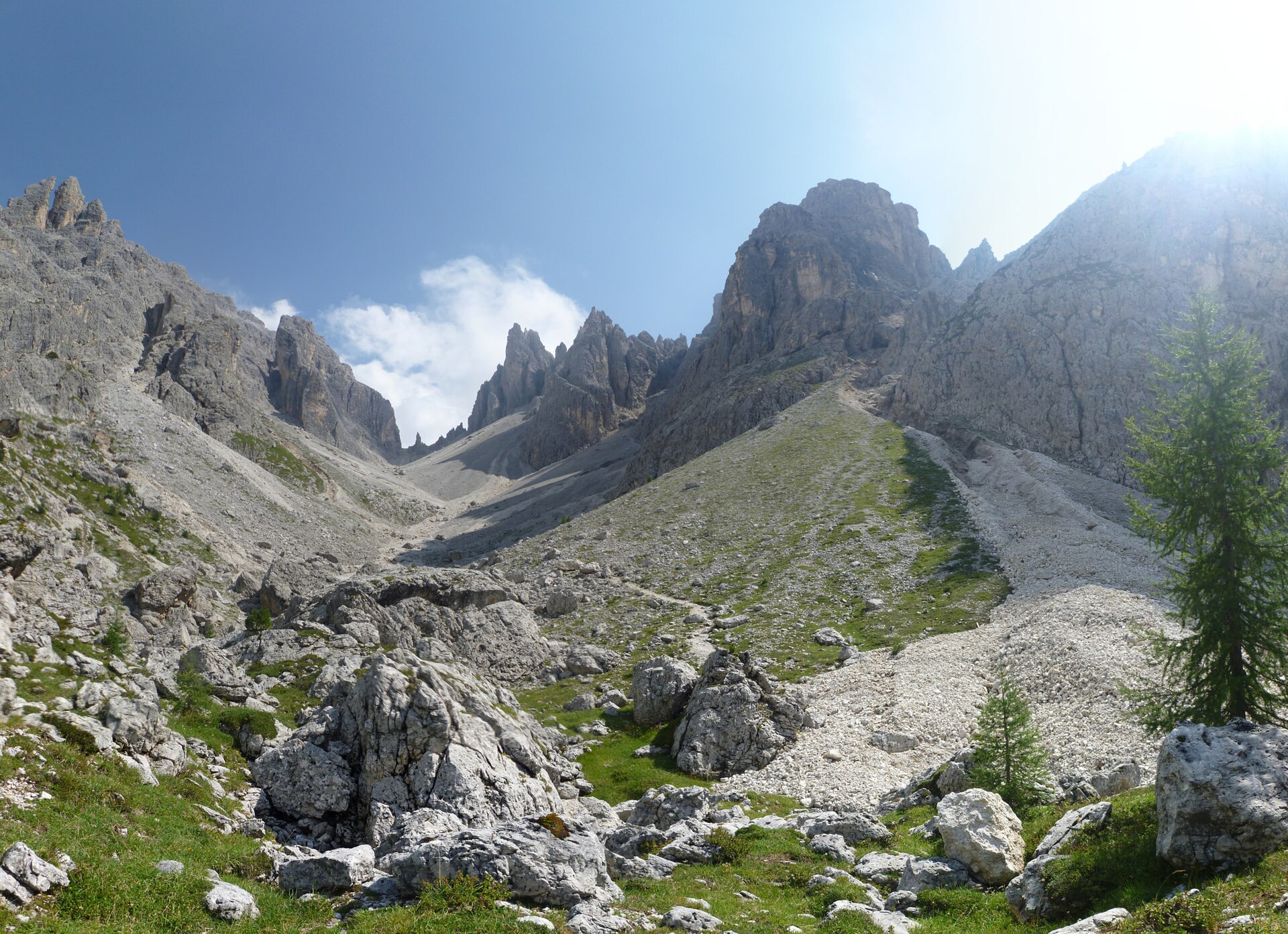
This Dolomites travel guide is the one that tends to make people redraw their whole Italy route. The Dolomites are the part of Italy that makes people suddenly redesign the whole trip. One photo of Seceda, Tre Cime di Lavaredo, Alpe di Siusi or a pale pink mountain wall at sunset, and a tidy Rome-Florence-Venice itinerary starts to wobble. Could we add two nights? Could we drive from Venice? Could we stop between Lake Como and Milan? Could we do Tre Cime in the morning and Seceda in the afternoon?
Sometimes the answer is yes. Often the answer is no, or at least not like that.
The Dolomites can be extraordinary, but they are not a casual scenic stop. They are mountains. Roads are slow. Lifts have seasons and operating hours. Trailheads can require parking reservations, shuttles or early starts. Weather can turn a famous viewpoint into a cloud bank. A place that looks close on a map may sit on the other side of a pass. And the best base for Seceda is not automatically the best base for Tre Cime.
That is the real work of planning the Dolomites: not collecting famous names, but choosing the right base, season, transport style and amount of time. The practical question is whether the mountains fit your Italy route, where to stay, how many days you need, whether to rent a car, which sights deserve priority, and what to check before you book.
For the larger trip shape, pair this with our complete guide to visiting Italy, Italy itineraries, Milan and Northern Italy Travel Guide, Planning a Trip to the Italian Lakes, Venice and Veneto Travel Guide, Italy transportation guide, where to stay in Italy, best time to visit Italy, and Italy travel budget.
Dolomites Travel Guide: How to Plan Your Trip
For most first-time visitors, the best Dolomites plan is 4 to 7 nights in late June through September, using one or two bases. Choose Val Gardena if you want Seceda, Alpe di Siusi, Sassolungo and strong lift access. Choose Cortina d’Ampezzo if you want Tre Cime, Cinque Torri, Lake Sorapis, Lagazuoi and the eastern Dolomites. Choose Alta Badia if you want a central road-trip and food base. Choose Dobbiaco or San Candido if you want Tre Cime and Lago di Braies with better train access. Use Bolzano or Bressanone for arrival logistics, not as your only deep-mountain base unless your plans are light.
| Planning question | Best answer for most travelers |
|---|---|
| Ideal first trip length | 4-7 nights. Three nights can work if you choose one area. Two nights is a taste. |
| Best first base | Ortisei or Selva in Val Gardena for lift access and classic scenery; Cortina for eastern Dolomites. |
| Best no-car base | Ortisei/Val Gardena, Cortina, Dobbiaco/San Candido, Bolzano/Bressanone with realistic bus and lift planning. |
| Best car route | Split Val Gardena or Alta Badia with Cortina or Dobbiaco for a 5-7 night route. |
| Best hiking season | Late June through September. Early June and October require more checking. |
| Best winter use | Skiing, snow scenery, Christmas markets, spa hotels and Alpine food, not summer hiking. |
| What to book early | Lodging, rental car, huts, lift-heavy dates, Tre Cime parking or shuttle, Lago di Braies access in restricted periods. |
| Biggest mistake | Trying to do Seceda, Alpe di Siusi, Tre Cime, Lago di Braies, Lake Sorapis, Cortina and Val di Funes in 2-3 days. |
The Dolomites fit best with northern Italy: Milan, Verona, Venice, Lake Garda, the Italian Lakes, South Tyrol and sometimes Austria. They fit poorly as a rushed detour from Rome, Florence, Amalfi or Sicily unless your trip is long and you are willing to spend real travel time.
Are The Dolomites Worth Visiting?
Yes, the Dolomites are absolutely worth visiting if mountains are part of why you travel. This is one of Europe’s most dramatic landscapes: limestone towers, high meadows, alpine villages, rifugi, ski areas, summer lifts, WWI history, Ladin culture, mountain food, road passes, turquoise lakes and trail networks that range from gentle walks to serious multi-day routes.
UNESCO describes the Dolomites World Heritage property as nine components protecting highly distinctive mountain landscapes of exceptional natural beauty. That language is formal, but the point is simple: the landscape is not hype. The cliffs really do look different from the softer Alps many travelers picture. They rise abruptly, change color with light, and make ordinary walks feel cinematic.
But the Dolomites are not worth adding badly. If you have ten days total and are already doing Rome, Florence, Venice and the Amalfi Coast, I would not add the Dolomites just because you saw a photo. If you have two weeks and want a northern route through Milan, Lake Garda, Verona, Venice and the mountains, the Dolomites can be the highlight. If you have been to Italy before and want a completely different trip, they can justify the whole vacation.
The right question is not “Are the Dolomites worth it?” It is “Can I give the Dolomites the kind of trip they need?”
How Many Days Do You Need In The Dolomites?
You can see a famous viewpoint in one day. You cannot really experience the Dolomites in one day. The region is too spread out, too weather-dependent and too tied to morning and evening light.
| Time available | Best use | What to avoid |
|---|---|---|
| 1 day | A focused day from Bolzano, Cortina, Val Gardena or a lake route | Calling it a Dolomites trip |
| 2 nights | One base, one or two major sights, simple plan | Crossing between Val Gardena and Cortina unless driving through |
| 3 nights | One area well: Val Gardena, Cortina, Alta Badia or Val Pusteria | Trying to collect every famous highlight |
| 4-5 nights | One area deeply or two bases with a car | Ignoring weather backup days |
| 6-7 nights | Strong first Dolomites trip with west and east areas | Moving hotels every night |
| 10+ nights | Mountain-focused trip with hiking, lifts, food, villages and slower days | Treating every extra day as another trailhead |
If you have three nights, choose one base. If you have five nights, choose either one base plus day trips or two bases with a car. If you have a week, a west-east split makes sense: Val Gardena or Alta Badia plus Cortina or Dobbiaco/San Candido. If you have ten days, you can add Lake Garda, Venice, Milan or a slower South Tyrol section without rushing.
Use Dolomites Itinerary: 3, 5 and 7 Days when you are ready to turn this into dates.
Where To Stay In The Dolomites
Where you stay is the most important Dolomites decision. The famous sights are not clustered around one town. Val Gardena and Cortina both make sense, but they solve different trips. Bolzano is useful, but it is not a substitute for sleeping in the mountains if your goal is early trailheads. Alta Badia can be brilliant with a car. Dobbiaco and San Candido can be smarter than people expect for Tre Cime and Lago di Braies.
For the dedicated lodging article, use Where to Base Yourself in the Dolomites. Here is the planning version.
| Base | Best for | Watch out for |
|---|---|---|
| Ortisei | Seceda, Alpe di Siusi, no-car lift access, first-timers, pretty village base | Expensive in peak season; popular lifts get busy |
| Selva di Val Gardena | Sella passes, hiking, skiing, slightly deeper mountain position | Less town-like than Ortisei for some travelers |
| Santa Cristina | Val Gardena balance, access between Ortisei and Selva | Smaller than Ortisei |
| Cortina d’Ampezzo | Tre Cime, Cinque Torri, Lake Sorapis, Lagazuoi, eastern Dolomites | Pricey, spread out, some trailheads require transport |
| Alta Badia / Corvara | Sella, food, skiing, scenic road access, central mountain feel | Best with car or careful lift/bus planning |
| Dobbiaco / San Candido | Tre Cime, Lago di Braies, Val Pusteria train access | Less classic resort glamour |
| Bolzano | Arrival, trains, museums, South Tyrol city break | Too far for many daily high-mountain plans |
| Bressanone | Rail access, Plose, South Tyrol town atmosphere | Not central for the most famous Dolomites sights |
| Val di Fassa / Canazei | Sella, Marmolada, Trentino side, road trips | Less convenient for Tre Cime and Seceda together |
Val Gardena: Best First Base For Many Travelers
Val Gardena is the easiest Dolomites base to recommend to a first-time traveler who wants famous scenery without turning every day into a drive. Ortisei, Santa Cristina and Selva sit in a valley with lifts, buses, hotels, restaurants and access to Seceda, Alpe di Siusi, Resciesa, Sassolungo and the Sella area.
Ortisei is the most convenient for many visitors because lifts leave from town toward Seceda and Alpe di Siusi. Selva is better if you want a more mountain-forward base near passes and Sella hiking. Santa Cristina can be a good compromise. Val Gardena’s official materials note that Seceda sits in Puez-Odle Nature Park and gives a broad panorama over the Odle/Geisler peaks, Sella, Sassolungo, Alpe di Siusi and beyond. That is exactly why people come.
Val Gardena also works better without a car than many Dolomites areas. It is not effortless, but lifts and buses give you options. The Val Gardena Card covers unlimited use of many summer lifts in the valley, though official sources note important exclusions and separate rules for Seceda-related lifts, so check current details before buying.
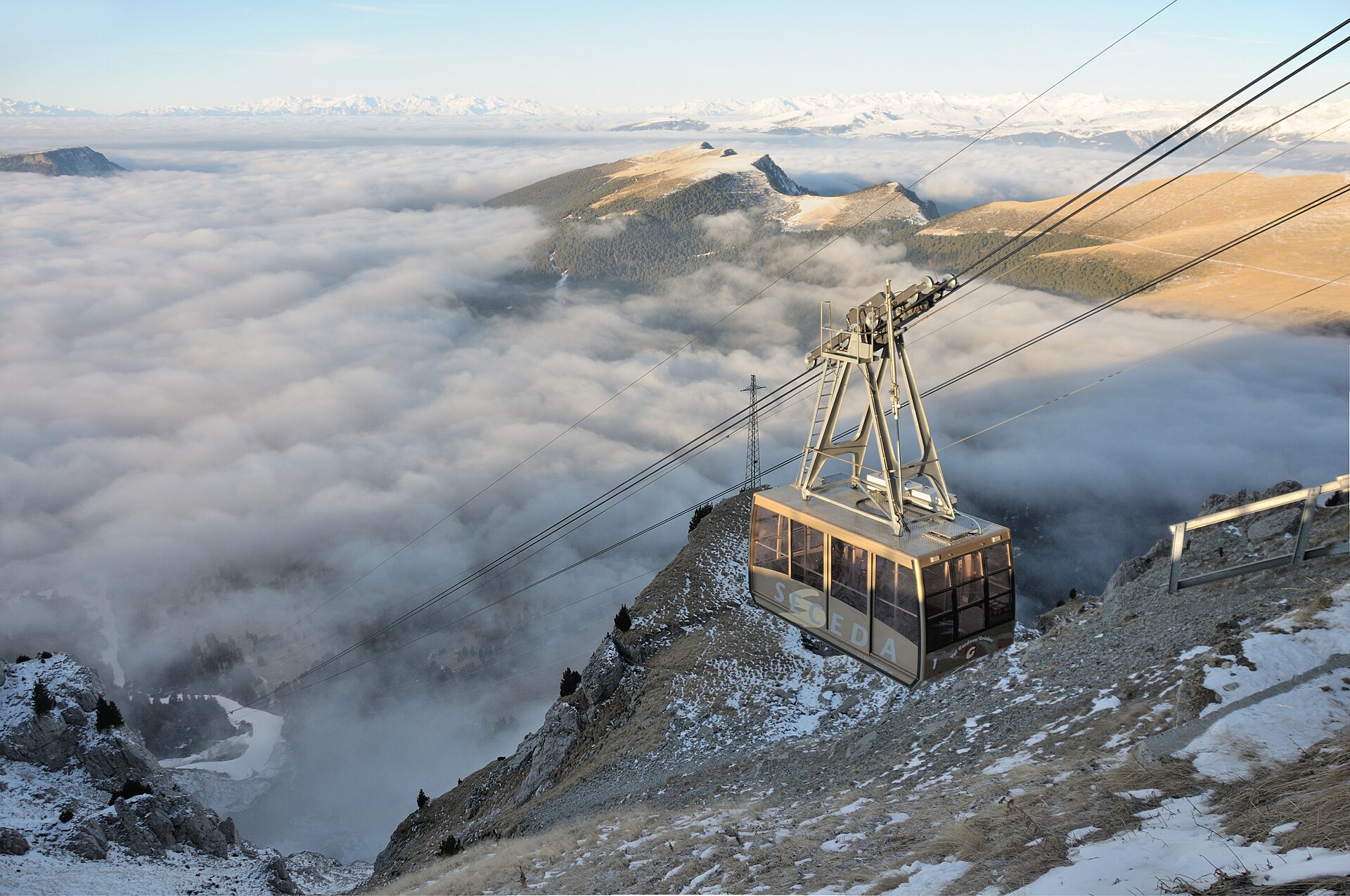
Feel free to use my photos, but ple / CC BY-SA 3.0 via Wikimedia Commons
Cortina d’Ampezzo: Best For The Eastern Dolomites
Cortina is the classic eastern Dolomites base: stylish, famous, expensive, surrounded by peaks and useful for Tre Cime di Lavaredo, Cinque Torri, Lagazuoi, Tofane, Faloria, Lake Sorapis, Misurina and some of the most recognizable mountain scenery in the region.
Choose Cortina if your Dolomites dream is Tre Cime, Lake Sorapis, Cinque Torri, WWI open-air sites, dramatic drives and a town with more resort infrastructure. It is also a strong winter base. Do not choose Cortina if you mainly want Seceda and Alpe di Siusi; that is Val Gardena territory.
Cortina can work without a car better than some travelers assume, especially in season with buses and lifts, but a car makes more trailheads and passes easier. If you are staying several days and want sunrise starts, a car can be the difference between graceful and awkward.
Alta Badia: Best Central Mountain And Food Base
Alta Badia, including Corvara, Colfosco, La Villa and San Cassiano, is excellent for travelers who want a central Dolomites feel, strong food, skiing, Sella access and road-trip flexibility. It is less obvious to first-timers than Ortisei or Cortina, but it can be a better base if you have a car and want to move between passes, Val Gardena, Arabba, Cortina and the Sella area. For ski-season timing, see our guide to Italy in January.
Alta Badia official tourism emphasizes summer lifts as a way to reach higher terrain and connect valley villages. That matters because the Dolomites are often lift-assisted in summer as much as they are ski-lifted in winter.
Dobbiaco, San Candido And Val Pusteria: Best For Tre Cime And Lago Di Braies
Dobbiaco and San Candido are practical, attractive bases for the northeastern Dolomites. They are useful for Tre Cime, Lago di Braies, Val Fiscalina, train access and travelers who want a less resort-polished base than Cortina.
If your priority is Tre Cime di Lavaredo and Lago di Braies, do not automatically stay in Ortisei. Look at Val Pusteria and the Drei Zinnen region. The train can help, but road and shuttle rules still matter.
Bolzano And Bressanone: Good Gateways, Not Always Mountain Bases
Bolzano and Bressanone are useful arrival towns. They have rail connections, South Tyrol atmosphere, hotels, museums, restaurants and onward buses. Bolzano can be especially good if you want a softer city-and-mountain start or if you are not planning serious hikes.
But if your goal is sunrise at Seceda, early Tre Cime, several lift days or high trailheads, sleeping in Bolzano can create long daily transfers. Use gateway towns for logistics. Use mountain towns for mountain days.
Best Things To Do In The Dolomites
The Dolomites reward both hikers and non-hikers. You can build a trip around serious trails, but you can also use lifts, viewpoints, road passes, villages, lake walks, rifugi, food and winter skiing. The trick is matching the activity to your fitness, season and base.
Use Best Hikes in the Dolomites for First-Time Visitors for the deeper hiking article.
Seceda
Seceda is one of the most famous Dolomites viewpoints for a reason. The jagged Odle ridgeline, high meadows and big sky deliver the kind of mountain view people imagine before they know the geography. It is easiest from Val Gardena via Ortisei and the lift system, but lift rules, ticket validity and operating dates matter.
Go early if weather and timing allow. The viewpoint can be crowded, and afternoon clouds can erase the view. If the day is clear, Seceda can be the moment that justifies the whole Dolomites detour.
Alpe Di Siusi
Alpe di Siusi, also called Seiser Alm, is Europe’s largest high alpine pasture and one of the best places in the Dolomites for gentler walking, families, meadow views, photography and a less vertical mountain day. It pairs naturally with Ortisei, Siusi, Castelrotto and Val Gardena.
This is where I would send someone who wants beauty without exposure, ladders, scree or a punishing trail. It is still mountain terrain, so weather matters, but the mood is softer than many dramatic rock routes.
Tre Cime Di Lavaredo
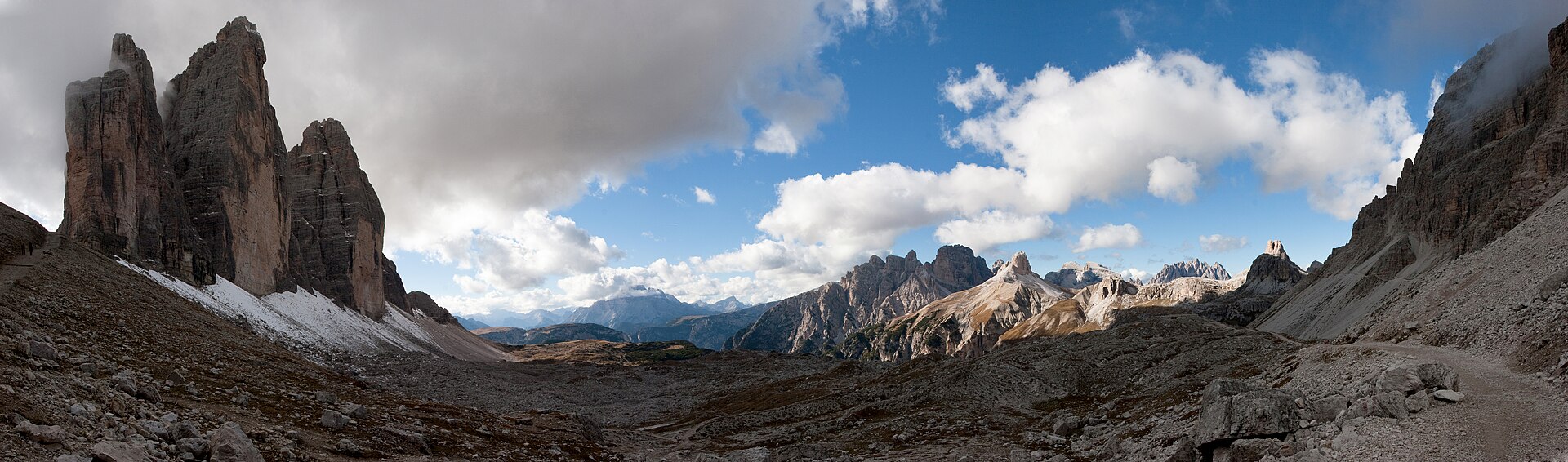
Tre Cime di Lavaredo, also called Drei Zinnen, is the eastern Dolomites icon. The loop from the Rifugio Auronzo area is one of the most famous hikes in the region. It is popular, beautiful and logistically controlled.
As of the May 26, 2026 fact check, Auronzo’s official Tre Cime parking page says car access to the Rifugio Auronzo parking area is only permitted with an online reservation. Drei Zinnen and South Tyrol sources also list shuttle 444 from Dobbiaco to the Auronzo Hut from May 31 to October 11, 2026 as an alternative to the toll road. Treat this as a current-access item, not a casual “drive up whenever” plan.
Use How to Visit Tre Cime di Lavaredo for the dedicated guide.
Lago Di Braies
Lago di Braies, or Pragser Wildsee, is beautiful and heavily visited. It is easy to understand why: green-blue water, a wooden boathouse, forest, cliffs and reflections that seem designed for photography.
It is also a place where access rules matter. South Tyrol information for 2026 states that from July 1 to September 15, between 9:00 and 16:00, Braies is accessible only by public transport, on foot, by bicycle, or with an online reservation or valid transit permit. Parking and shuttle reservations can be required. Check official access information close to travel, especially in summer.
If you hate crowds, go early, go outside peak dates, or consider whether another lake or hike would give you a better experience.
Cinque Torri And Lagazuoi
Cinque Torri is one of the most rewarding areas near Cortina for a mix of scenery, history and approachable walking. The rock towers are dramatic, the WWI open-air museum context adds depth, and the lifts can make the area accessible to more travelers in season. Lagazuoi and the Falzarego area add big views, mountain history and strong winter/summer appeal.
This is a good Cortina-area choice when you want a high-impact day without making Lake Sorapis your first serious hike.
Lake Sorapis
Lake Sorapis is famous for its milky turquoise water, but it is not the same kind of outing as a lakeside stroll. The standard route involves real hiking, narrow sections and exposure concerns for some travelers. It is not the first Dolomites hike I would recommend to someone unsure about mountain trails.
If you do it, research the current route, weather and your own comfort level honestly. A beautiful destination is not worth turning a vacation into a fear-management exercise.
Val Di Funes And Santa Maddalena
Val di Funes is the valley of postcard church-and-Odle views. Santa Maddalena and the surrounding meadows are especially strong for photographers, slow travelers and anyone who wants a gentler day between harder hikes.
This area pairs well with Val Gardena, Bressanone or a South Tyrol road route. It is not where I would base a whole first Dolomites trip unless quiet is the point, but it makes a memorable day.
Easy Viewpoints Versus Real Hikes
One reason Dolomites planning gets messy is that people use the word “hike” for everything from a paved lake walk to an exposed mountain trail. Be honest about the difference.
Easy or easier experiences can include:
- Lift-assisted Seceda viewpoint in good weather.
- Alpe di Siusi meadow walks.
- Short walks around parts of Lago di Braies.
- Cinque Torri area with lift help.
- Val di Funes viewpoints.
- Village-to-village walks in Val Gardena.
- Cable car viewpoints near Cortina, depending on opening dates.
More serious hikes can include:
- Tre Cime loop in poor weather or busy conditions.
- Lake Sorapis.
- Longer Sassolungo/Sassopiatto routes.
- Puez-Odle routes.
- Alta Via segments.
- High routes involving huts, exposure, snow patches or navigation.
Do not let social media flatten those differences. If a route involves elevation, loose rock, snow, exposure or changing weather, treat it as a mountain hike.
Dolomites By Car Or Without A Car
A car can make the Dolomites easier, but it does not solve everything. It helps with passes, trailheads, sunrise, multi-base routes and east-west movement. It can also create parking stress, mountain-road fatigue and overambitious days.
Rent a car if:
- You want Val Gardena plus Cortina or Tre Cime in one trip.
- You are staying in Alta Badia, Val di Fassa or smaller villages.
- You want scenic passes such as Gardena, Sella, Pordoi, Falzarego or Giau.
- You want early or late trailhead access.
- You are combining Lake Garda and the Dolomites.
- You are comfortable with mountain roads and weather changes.
Go without a car if:
- You are staying in Ortisei/Val Gardena and using lifts and buses.
- You are basing in Cortina and limiting hikes to seasonal bus/lift access.
- You are using Dobbiaco or San Candido for train-and-bus access.
- You prefer fewer bases and less driving stress.
- You are comfortable checking schedules daily.
The no-car Dolomites are possible, not automatic. South Tyrol guest passes and Mobilcard-style transport can help, and many accommodations include local public-transport access. But bus schedules vary by season, and some summer schedules appear close to the season. Build a no-car trip around the strongest transit base, not the prettiest isolated hotel.
For the dedicated article, use How to See the Dolomites Without Driving. For the national framework, use Italy Transportation Guide.
Dolomites Itinerary Ideas
Start the Dolomites itinerary with the trip type: hiking, sightseeing, winter sports or a scenic road trip. These are frameworks, not rigid schedules. Weather will edit your plans.
3 Days In The Dolomites: Choose One Side
With three days, do not split the region unless you are driving through and accept a taste.
Option 1: Val Gardena.
| Day | Base | Plan |
|---|---|---|
| 1 | Ortisei or Selva | Arrive, village walk, easy lift or valley walk if time |
| 2 | Val Gardena | Seceda or Alpe di Siusi, weather dependent |
| 3 | Val Gardena | Sassolungo/Resciesa/Val di Funes option, depart |
Option 2: Cortina.
| Day | Base | Plan |
|---|---|---|
| 1 | Cortina | Arrive, town, easy viewpoint |
| 2 | Cortina | Tre Cime if access and weather work, or Cinque Torri |
| 3 | Cortina | Lake Misurina, Lagazuoi, Cinque Torri or Lake Sorapis if fit |
Three days is enough to fall for the Dolomites. It is not enough to cover them.
5 Days: Val Gardena Plus Cortina Or Alta Badia
With five days and a car, a split can work:
| Day | Base | Plan |
|---|---|---|
| 1 | Val Gardena | Arrive from Bolzano, Verona, Venice or Milan |
| 2 | Val Gardena | Seceda |
| 3 | Val Gardena / Alta Badia | Alpe di Siusi or scenic pass transfer |
| 4 | Cortina or Dobbiaco | Tre Cime, Cinque Torri or Lago di Braies |
| 5 | Cortina / depart | Weather backup, then leave toward Venice or Lake Garda |
Without a car, I would be more cautious. Five days in one strong no-car base can be better than forcing an awkward transfer.
7 Days: The Classic First Dolomites Route
Seven days gives you room for weather, two bases and a less frantic rhythm.
| Nights | Base | Why |
|---|---|---|
| 3 | Val Gardena | Seceda, Alpe di Siusi, Sassolungo, lift access |
| 1-2 | Alta Badia or Val Pusteria | Sella, food, scenic transition or Tre Cime access |
| 2-3 | Cortina or Dobbiaco | Tre Cime, Cinque Torri, Lago di Braies, eastern Dolomites |
This is the first itinerary shape that feels like a real mountain trip rather than a highlights grab.
10 Days: Milan, Lakes, Dolomites And Venice
If this is part of a northern Italy trip, I like this shape:
| Nights | Base | Why |
|---|---|---|
| 2 | Milan | Arrival, Duomo, Last Supper, rail/car setup |
| 2 | Lake Garda or Lake Como | Lake scenery and route break |
| 4 | Dolomites | One or two mountain bases |
| 2 | Venice or Verona | City finish and departure logic |
Lake Garda pairs especially well with the Dolomites because the geography points toward Verona, Trentino, South Tyrol and the mountains. Lake Como can work too, but it often creates a longer west-east move.
Best Time To Visit The Dolomites
The best time to visit the Dolomites changes with the trip: hiking, skiing, Christmas markets, road trips or quiet scenery.
For hiking, late June through September is the most reliable window. That does not mean every trail is guaranteed, but it is the safest broad answer for lifts, huts, buses, open roads and high trails. Early June can be beautiful but uncertain. May is often too early for the classic high hiking trip. October can be spectacular with autumn color, but services start thinning and snow can arrive.
For winter, December through March is the main ski season, with local conditions varying by year and resort. Christmas markets and snow scenery can be lovely, but winter is not summer with colder air. Your plans should be ski, spa, food, markets, snow walks or winter viewpoints, not Tre Cime summer hiking.
Dolomiti Superski’s official summer lift information for 2026 lists the overall Dolomiti Supersummer season from May 14 to November 8, 2026, and the Sellaronda summer opening from June 13 to September 27, 2026. That is a useful broad framework, but individual lifts still vary. Always check the exact lift you need.
| Season | Best for | Watch out for |
|---|---|---|
| May | Lower valley walks, quiet towns, spring scenery | Many high trails, huts and lifts may not be ready |
| Early June | Transition season, some lifts starting, fewer crowds | Snow patches, limited operations, uncertain trail conditions |
| Late June-July | Hiking, lifts, wildflowers, long days | Crowds build, lodging gets expensive |
| August | Full summer operations, families, mountain escape from city heat | Peak crowds, parking pressure, storms |
| September | Hiking, clearer air, slightly calmer rhythm | Shorter days, book huts and hotels early |
| October | Autumn color, photography, quieter towns | Lift/hut closures, early snow risk, shorter days |
| December-March | Skiing, winter hotels, Christmas markets, snow scenery | Not summer hiking season |
Use The Best Months for an Italy Trip for the national season view.
Winter Dolomites And Italian Alps
The Dolomites are not only a summer hiking destination. Winter is a major part of the region’s identity. Dolomiti Superski covers 12 ski areas, and its official site describes 450 lifts and 1,200 kilometers of winter slopes across the destination. The Sella Ronda, Alta Badia, Val Gardena, Cortina, Kronplatz, 3 Zinnen and other areas can turn the trip into a ski holiday rather than an Italy add-on.
Winter also works for non-skiers if expectations are right: Christmas markets in Bolzano, Bressanone and nearby towns, spa hotels, rifugi lunches, snow walks, cable car views, sledding, winter food and cozy South Tyrol towns.
Use Italian Alps in Winter: Ski Towns and Non-Ski Trips for the dedicated winter article.
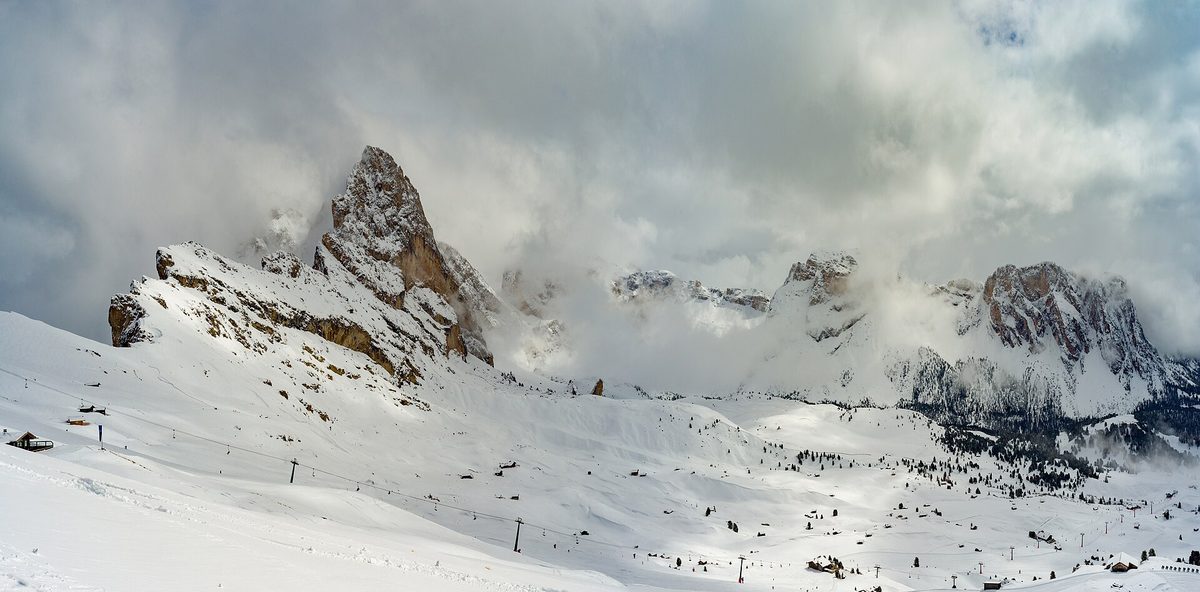
Feel free to use my photos, but ple / CC BY-SA 3.0 via Wikimedia Commons
Food, Culture And Why This Does Not Feel Like Rome
The Dolomites are still Italy, but they do not feel like Rome, Naples or Sicily. In South Tyrol especially, Italian, German and Ladin influences overlap. You may see three place names. You may eat speck, canederli, polenta, mountain cheeses, apple strudel, dumplings, mushrooms and Alpine soups instead of the Italy menu you expected.
That is not a problem. It is the point.
Mountain food is part of why the Dolomites work so well: rifugi lunches, hearty dishes after a hike, white wines from Alto Adige, Trento DOC sparkling wine, apple desserts, and hotel dining that often feels more Alpine than Mediterranean.
For broader food planning, use Italy Food and Wine Travel Guide.
Budget And Booking Tips
The Dolomites can be expensive in peak summer and winter, especially in famous bases such as Ortisei, Selva, Cortina, Alta Badia and high-demand ski towns. Costs rise when you add rental cars, parking, lifts, mountain huts, spa hotels, guided activities, ski passes and last-minute lodging.
Plan for these cost categories:
- Lodging in mountain towns.
- Rental car and fuel, if driving.
- Lift passes or individual lift tickets.
- Paid parking or access reservations.
- Mountain huts or rifugi meals.
- Guided hikes, via ferrata guides or ski lessons if needed.
- Winter ski passes, rentals and lessons.
- Travel insurance that actually covers mountain activities.
Book early for:
- July, August and September hiking dates.
- Christmas, New Year, February ski weeks and major winter periods.
- Ortisei, Selva, Cortina and Alta Badia.
- Mountain huts for Alta Via or hut-to-hut routes.
- Automatic rental cars.
- Tre Cime parking or shuttle plans in season.
- Lago di Braies access during restricted periods.
Use Real Prices for an Italy Trip for the broader cost framework.
Common Dolomites Planning Mistakes
The first mistake is underestimating distance. Val Gardena to Cortina is not a quick hop in mountain reality. Pass roads are scenic, but they are still roads, not teleporters.
The second mistake is choosing the wrong base. If you want Seceda, do not base only in Cortina. If you want Tre Cime, do not base only in Ortisei unless you accept a long day.
The third mistake is planning May like July. May can be beautiful, but many classic high-mountain plans are not ready.
The fourth mistake is forgetting lift schedules. A viewpoint that requires a cable car is only easy when the cable car is running.
The fifth mistake is treating Tre Cime and Lago di Braies as casual drive-up stops in peak season. Current access rules require more planning.
The sixth mistake is ignoring weather. A mountain trip needs backup days and flexible expectations.
The seventh mistake is doing hikes beyond your comfort level because they looked easy online. Exposure, snow patches, loose rock and afternoon storms are real.
The eighth mistake is renting a car for a no-car-friendly base and then paying to park it all week. Or doing the reverse: booking an isolated hotel without a car and discovering every plan is hard.
The ninth mistake is skipping mountain food. A rifugio lunch can be as memorable as a viewpoint.
The tenth mistake is adding the Dolomites to an already rushed Italy trip. Save them for a future trip if you cannot give them enough time.
Dolomites And Alps Support Guides
Once the mountain section has a shape, these are the next planning steps:
- The Best Places to Stay in the Dolomites
- Dolomites Itinerary: 3, 5 and 7 Days
- Best Hikes in the Dolomites for First-Time Visitors
- How to Visit Tre Cime di Lavaredo
- Val Gardena and Ortisei Travel Guide
- Getting Around the Dolomites Without a Car
- Cortina d’Ampezzo Travel Guide
- Italian Alps in Winter
For broader route planning, continue with How to Plan an Italy Trip from Scratch, Italy Itineraries, Milan and Northern Italy Travel Guide, Everything You Need to Know About the Italian Lakes, Everything You Need to Know About Venice and Veneto, Italy Transportation Guide, Where to Stay in Italy, Best Time to Visit Italy, Italy Travel Budget, and Italy Food and Wine Travel Guide.
Questions travellers ask
How many days do you need in the Dolomites?
Plan 4-7 nights for a strong first Dolomites trip. Three nights can work if you choose one area such as Val Gardena or Cortina. Two nights is only a taste, and one day is a scenic stop rather than a real Dolomites trip.
Where should first-time visitors stay in the Dolomites?
First-time visitors should usually choose Ortisei or Selva in Val Gardena for Seceda, Alpe di Siusi and lift access, or Cortina d’Ampezzo for Tre Cime, Cinque Torri, Lake Sorapis and the eastern Dolomites. Alta Badia, Dobbiaco and San Candido are also strong depending on the route.
Is Ortisei or Cortina better?
Ortisei is better for Val Gardena, Seceda, Alpe di Siusi, no-car lift access and a pretty first-time village base. Cortina is better for Tre Cime, Cinque Torri, Lake Sorapis, Lagazuoi and eastern Dolomites scenery. Let the sights decide the base.
Can you visit the Dolomites without a car?
Yes, but choose your base carefully. Val Gardena, Cortina, Dobbiaco, San Candido, Bolzano and Bressanone can work with trains, buses, lifts and local guest passes. A car is still helpful for scenic passes, sunrise starts, smaller villages, multi-base routes and some trailheads.
What is the best time to visit the Dolomites?
Late June through September is the best broad window for Dolomites hiking because lifts, huts, buses and high trails are more likely to be operating. December through March is best for skiing and winter trips. May, early June and October require more careful checks.
How do you visit Tre Cime di Lavaredo?
Most visitors reach Tre Cime from the Rifugio Auronzo area by reserved car access or seasonal shuttle. For 2026, official sources list online parking reservation requirements for car access and shuttle 444 from Dobbiaco to Rifugio Auronzo from May 31 to October 11. Always recheck current access before travel.
Does Lago di Braies require reservations?
In peak summer 2026, access rules apply. South Tyrol information states that from July 1 to September 15, between 9:00 and 16:00, Braies is accessible only by public transport, on foot, by bicycle, or with an online reservation or valid transit permit. Check official access pages before visiting.
Are the Dolomites good for non-hikers?
Yes. Non-hikers can enjoy lift-assisted viewpoints, Alpe di Siusi, Seceda, scenic drives, villages, rifugi lunches, lake walks, spa hotels, winter skiing, Christmas markets and photography. Just do not build the trip around serious trails if you do not want to hike.
Can you combine the Dolomites with Venice or Lake Garda?
Yes. Venice, Verona and Lake Garda are natural partners for a Dolomites route. Lake Garda pairs especially well with the mountains because the geography points toward Trentino and South Tyrol. Give the Dolomites at least 3 nights, preferably 4 or more.
Are the Dolomites expensive?
The Dolomites can be expensive in peak summer and winter, especially in Ortisei, Selva, Cortina and Alta Badia. Costs rise with hotels, lifts, rental cars, parking, huts, ski passes and guided activities. Booking early and choosing a practical base helps.