Best Value Cities and Towns in Italy
People assume Italy is expensive, then book Venice in July and prove themselves right. The truth is that the price of an Italian trip has less to do with the country and almost everything to do with which dot on the map you point at.
So here’s the direct answer. The most affordable places in Italy are concentrated in the south and in a handful of underrated northern cities: Naples, Palermo and the rest of Sicily, Puglia towns like Lecce and Bari, Matera, plus Turin, Genoa, Bologna and Trieste. In these places a comfortable day runs around €60-90 per person, versus €120-180 in the famous spots.
This guide is for the traveler choosing where to go to make the money stretch, not how to pinch pennies once you arrive. If you want the tactics, those live elsewhere (linked below). Here, we talk places.
The short version: best value cities and towns, ranked by daily budget
Before the profiles, here’s the map of the whole thing. These are rough mid-range daily figures per person, assuming a simple B&B or apartment, eating mostly where locals eat, and using public transport or your feet. They exclude flights and intercity trains, and they’re ballpark as of 2026, not quotes.
| Destination | Region | Rough daily budget (per person) | Best for |
|---|---|---|---|
| Palermo | Sicily | €55-80 | Street food, raw energy, lowest big-city prices |
| Catania | Sicily | €55-80 | Etna, markets, beaches, baroque on the cheap |
| Naples | Campania | €60-90 | Pizza, ruins, big-city life at small-city prices |
| Lecce | Puglia | €60-90 | Baroque looks, slow pace, southern warmth |
| Bari | Puglia | €60-90 | Seafront, ferries, gateway to the heel |
| Matera | Basilicata | €65-95 | Cave hotels, drama, a once-in-a-trip skyline |
| Palermo-to-Trapani coast | Sicily | €60-90 | Beaches and salt flats without resort markups |
| Genoa | Liguria | €70-100 | Ligurian food and sea, minus the Cinque Terre tax |
| Turin | Piedmont | €70-105 | Elegant city, cafés, museums, Alps on the horizon |
| Bologna | Emilia-Romagna | €75-110 | The best eating value in northern Italy |
| Parma | Emilia-Romagna | €75-110 | Food pilgrimage, walkable, low-key |
| Trieste | Friuli Venezia Giulia | €75-110 | Coffee culture, Habsburg looks, few crowds |
| Perugia | Umbria | €70-105 | Hill-town beauty, student prices, central base |
| Verona | Veneto | €80-120 | Romance and arena without Venice prices |
| Trapani / Marsala | Sicily | €60-90 | Sun, salt, wine, ferries to the Egadi islands |
| Abruzzo towns (Sulmona, L’Aquila) | Abruzzo | €55-85 | Mountains, parks, deep-Italy quiet |
Notice the pattern. Almost everything under €90 sits south of Rome or off the standard Rome-Florence-Venice rail spine. That’s not a coincidence, and it’s the single most useful thing to understand about value here.
The south is your friend
If you remember one rule, make it this: head south and your money roughly doubles in spending power.
Across Campania, Basilicata, Puglia, Calabria and Sicily, the same categories that drain a northern budget cost dramatically less. A budget traveler can do the south on around €60-80 a day; the identical trip in Venice or Florence climbs to €100-140 fast. Restaurant meals in Palermo run around 20% cheaper than the national average, and a private room that costs €150 in central Florence might be €60-80 in Lecce or Catania.
Why? Less tourism saturation, lower local wages and rents, a food culture built on cheap-but-brilliant staples, and far fewer “famous” sights charging famous prices. The south also leans on street food and market eating, which is where the real savings hide. You’re not eating worse. In a lot of cases you’re eating better.
The catch is transport. The south is less stitched together by fast trains, so getting between towns can mean slower regional services, buses, or a rental car. Budget a little more time and, for the deep countryside, factor a car. The trains you will use are cheap, though, and I keep the numbers on the Italy train prices guide.
Naples: the best value big city in Italy
Naples is my first recommendation for anyone who wants a real, loud, full-fat Italian city without the price tag. Pizza in its birthplace costs €4-6 for the canonical margherita or marinara. Espresso at the bar is often cheaper than bottled water. A sfogliatella and coffee is a breakfast for a couple of euros.
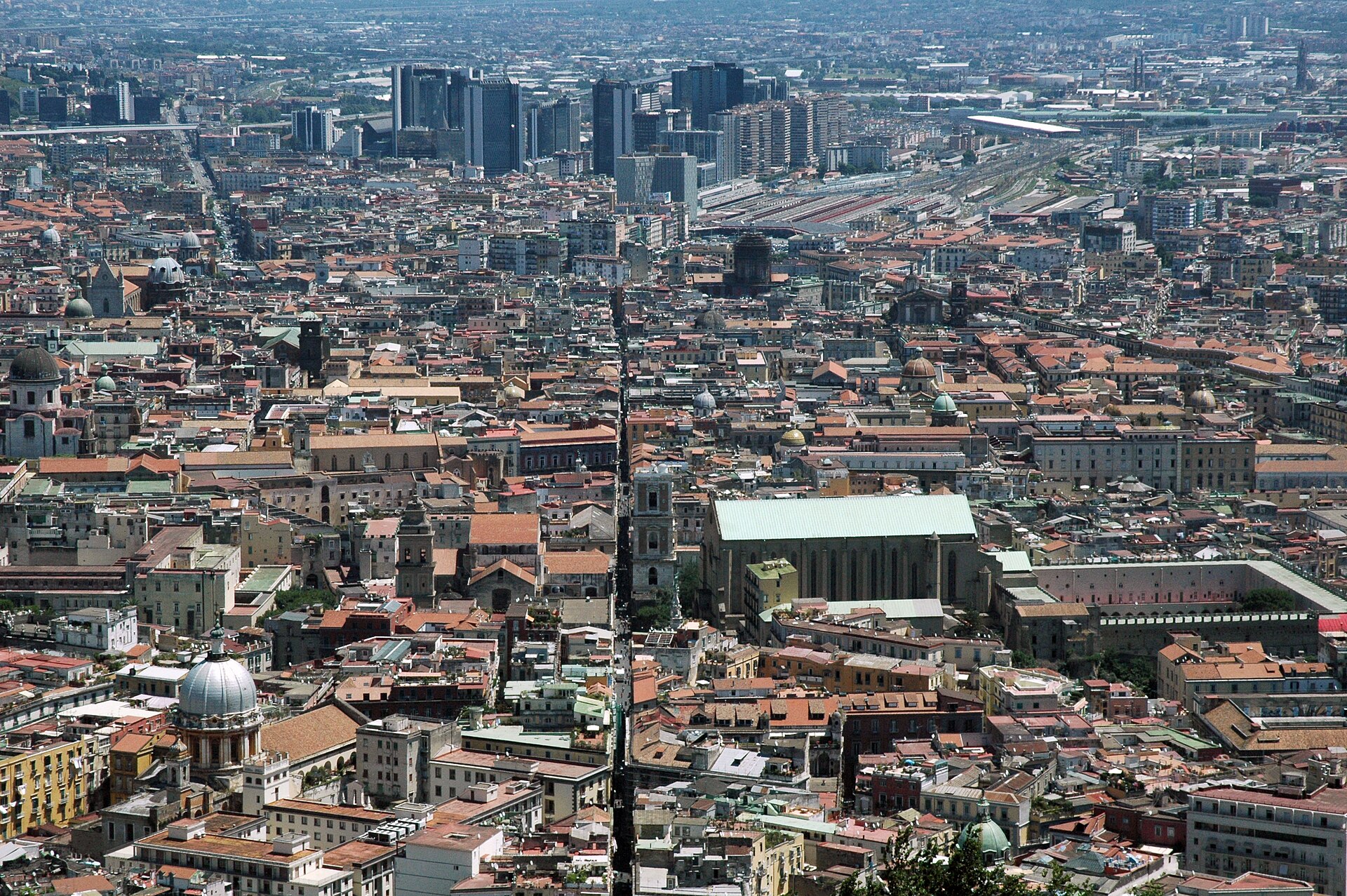
A mid-range day here lands around €60-90. You can fill it almost for free: walk Spaccanapoli, the dead-straight slice through the old town; wander the lungomare at dusk; duck into churches that would be ticketed attractions anywhere else. The paid hits, the Archaeological Museum and the underground tunnels, are modest. Naples also makes the cheapest base for Pompeii, Herculaneum and the Amalfi day trips, since you sleep at Naples prices and travel out, instead of paying coast rates to sleep. There’s much more in the guide to visiting Naples, but on cost alone, it’s hard to beat.
Who it suits: travelers who want intensity, history and the country’s best cheap food, and who don’t need things tidy.
Palermo and Sicily: low prices, enormous payoff
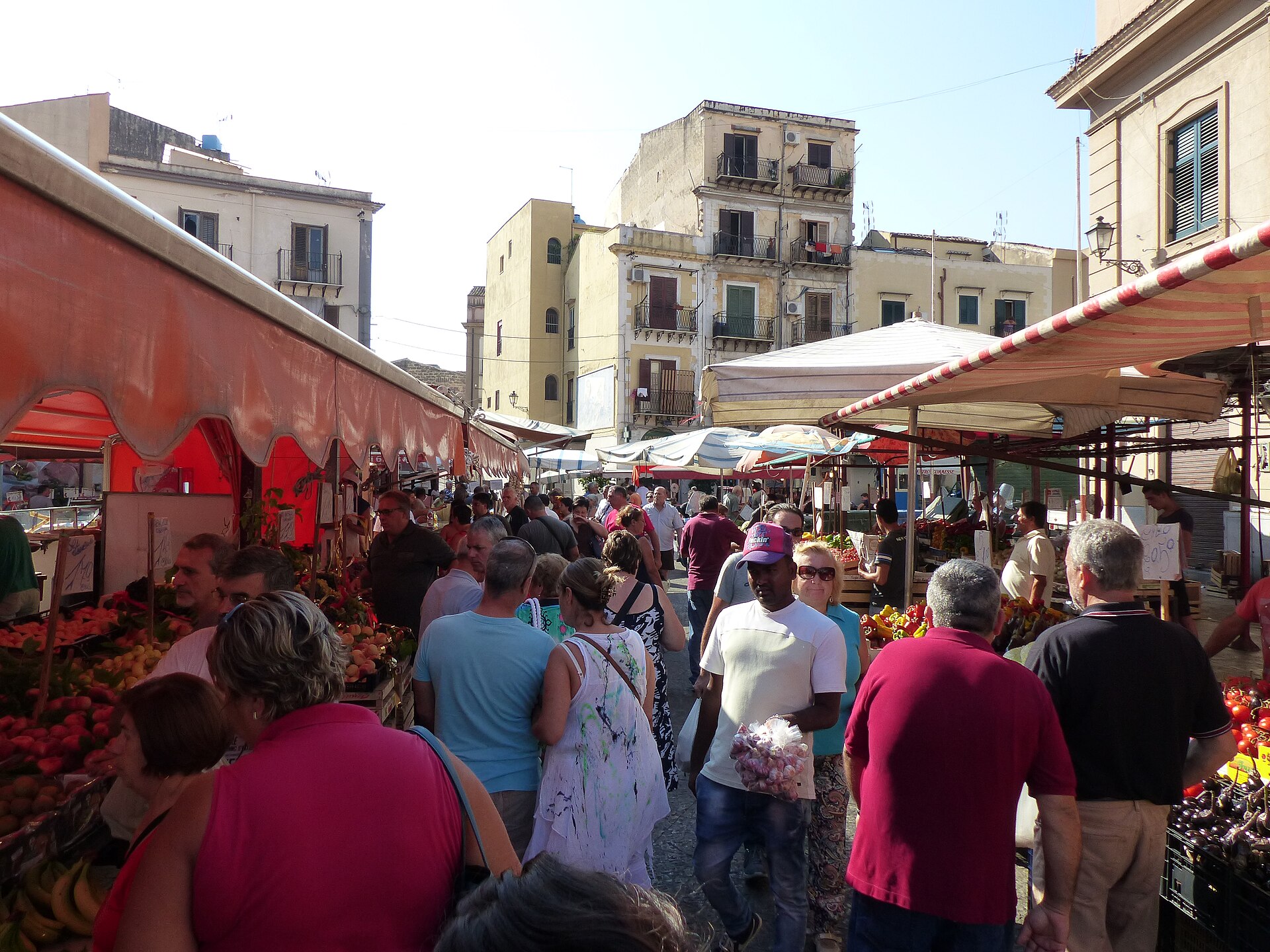
Sicily is the value champion of the whole country, and Palermo is its beating heart. Street food here is a genuine cuisine, arancini, panelle, sfincione, pane con la milza, and it keeps daily food costs absurdly low while delivering some of the best eating in Italy. Markets like Ballarò and the Vucciria double as free attractions. Churches, the Norman palace’s public spaces and the wild backstreets cost nothing to roam.
Expect roughly €55-80 a day in Palermo, among the lowest of any major Italian city. The same value holds across the island: Catania sits in Etna’s shadow with its own ferocious fish market and baroque core; Trapani and Marsala give you salt flats, sun and ferries to the Egadi islands without a single resort markup; Syracuse’s Ortigia is achingly pretty for far less than a comparable mainland town.
Sicily’s only real budget line is getting there and around, ferries, a flight, or a rental car for the interior. Plan that and the island is the most for the least in Italy. I go deep in the full Sicily guide.
Who it suits: anyone wanting beaches, ruins, food and cities in one trip, on a tight budget.
Lecce, Bari and Puglia: southern style for less
Puglia, the heel, costs roughly 35-50% less than Rome or Florence for the same quality of room, meal and experience. That’s not a rounding error. That’s the difference between a trip you ration and one you relax into.
Lecce is the showpiece, a baroque city carved in honey-colored stone, often called the Florence of the South, and a fraction of the price. Guesthouses run around €40-65, and a proper dinner is €20-35 against €35-55 up north. Bari, the regional capital and ferry hub, offers daily costs of about €50-80 before lodging and sits 30-40% below Venice, Florence or Rome. Its old town, Bari Vecchia, is where grandmothers make orecchiette on the street, and it’s free to watch.
Out in the countryside, the trulli district around Alberobello and Locorotondo and the whitewashed towns of the Valle d’Itria are postcard-pretty and gentle on the wallet, though a car helps. The Puglia travel guide has the full lay of the land.
Who it suits: travelers who want beauty, beaches and slow southern rhythm without coast prices.
Matera: drama that costs less than it looks
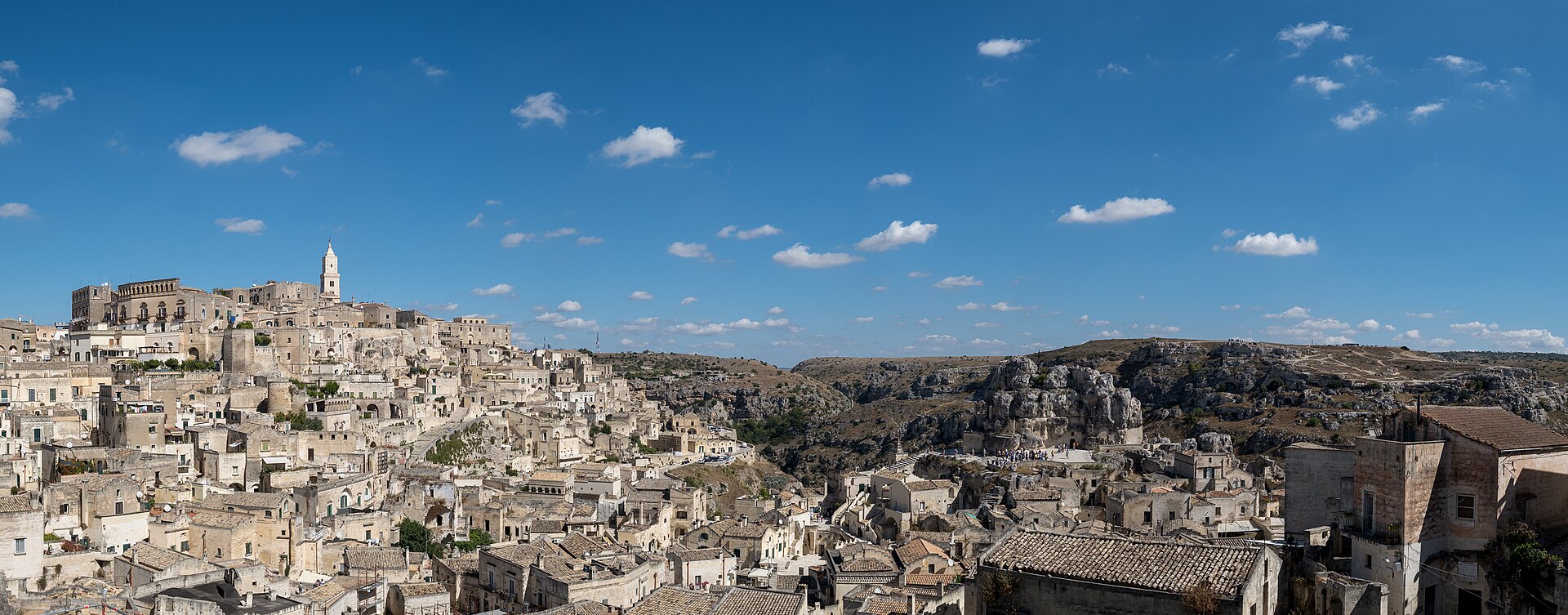
Matera shouldn’t be this affordable. The Sassi, the ancient cave districts tumbling down a ravine, look like a film set, and several films have agreed. Yet a budget B&B runs €45-70, and even the atmospheric cave hotels start around €70-150, which is a steal for what is essentially sleeping inside a UNESCO postcard.
Budget around €65-95 a day. You spend most of it on the eating and the rooms, because the main attraction, walking the Sassi at golden hour and again after dark, is free. Matera is small, so a night or two does it, ideally paired with Puglia next door or as a day-and-night break from Bari.
Who it suits: travelers chasing a single unforgettable setting without paying resort-town rates.
Underrated northern cities that won’t drain you
The south wins on price, but you don’t have to skip the north to travel cheaply. You just have to skip the obvious north. The expensive reputation belongs to Venice, Milan, the lakes and Cinque Terre, not to the cities next door.
Turin: elegance without the markup
Turin is one of the best-value cities in northern Italy, full stop. It’s grand, arcaded and royal, the old Savoy capital, with the Egyptian Museum (one of the world’s best), the Mole Antonelliana and miles of porticoed cafés. Yet because it’s not on the standard tourist sprint, prices stay reasonable: roughly €70-105 a day, well under what Milan or Venice extract for less charm.
The café culture is the sneaky value: an aperitivo here often comes with enough free food to be dinner, and the historic cafés, where bicerin (coffee, chocolate, cream) was invented, are an affordable indulgence. Who it suits: travelers who want a polished, walkable city and culture without the premium.
Genoa: the Cinque Terre alternative
People pay a fortune to stay in the Cinque Terre, then resent the crowds. Genoa, an hour away, gives you Ligurian food and sea in a vast, gritty, genuine old town, for a fraction of the price. Focaccia from €1.50, pesto pasta (this is pesto’s hometown) under €10, and a historic center that feels lived-in rather than priced-up. Reckon on €70-100 a day, around a quarter less than Milan.
Use Genoa as a cheap base and day-trip to the Cinque Terre or Portofino by train, sleeping at city prices instead of resort ones. Who it suits: travelers who want the Riviera’s food and coast without the Riviera’s bill.
Bologna and Parma: where eating is the point
Bologna is the best eating value in the north, and it’s not close. A huge student population keeps trattoria prices honest, the medieval porticoes give you miles of free, beautiful walking (you can stroll the city in the rain and never get wet), and the food, tagliatelle al ragù, tortellini, mortadella, is world-class for trattoria money. Budget about €75-110 a day. It runs cheaper and friendlier than nearby Florence.
Nearby Parma is the same idea in miniature: a tidy, walkable food capital (Parmigiano, prosciutto di Parma) with low-key prices and few crowds. Both make the case that the food map of Italy and the value map overlap almost perfectly, which is the whole subject of the cost of food in Italy guide.
Who they suit: travelers who measure a trip in meals and want northern Italy without northern prices.
Verona and Trieste: romance and coffee, minus the crowds
Verona gives you a Roman arena, balcony-and-all romance and a handsome old center for noticeably less than Venice, an easy train away. It’s not dirt-cheap, around €80-120 a day, but it’s a fraction of what nearby Venice charges for a comparable evening.
Trieste is the quiet pick: a Habsburg-elegant port pressed against the Slovenian border, with a serious coffee culture and grand cafés. Because it sits off the Rome-Florence-Venice line, rooms run noticeably lower than Venice or Milan, around €75-110 a day, and the crowds simply aren’t there. Who they suit: travelers who want northern beauty and atmosphere without the headline prices.
Perugia and Umbria: central Italy on a budget
Umbria is Tuscany’s quieter, cheaper twin, and Perugia is its lively, walkable capital. A big student population again keeps prices down, the hill-town setting is lovely, and it makes an affordable central base for day trips to Assisi and the smaller Umbrian towns. Budget around €70-105 a day. If you love the Tuscan idea but not the Tuscan invoice, this is your region.
Who it suits: travelers who want hill-town Italy, central and affordable, instead of the Chianti markup.
Affordable bases for day trips
One of the smartest value moves isn’t a city at all, it’s a strategy: sleep cheap, visit expensive. You pick an affordable base and day-trip to the pricey sights, paying resort rates for an entrance ticket instead of a hotel bed.
- Naples for Pompeii, Herculaneum, the Amalfi Coast and Capri.
- Genoa for the Cinque Terre and Portofino.
- Bari for Matera, Alberobello and the Puglian coast.
- Bologna for Ferrara, Ravenna’s mosaics and even Florence in a day.
- Verona for Lake Garda and a day in Venice.
- Catania for Taormina, Etna and Syracuse.
The savings compound. A couple skipping three nights of Amalfi or Cinque Terre lodging in favor of a city base can keep hundreds of euros and still see everything. For the wider logic of choosing your bases, the where to stay in Italy guide is the companion to this one.
Where not to expect bargains
To make the value map useful, you have to mark the no-go zones, the places where the answer to “can I do this cheaply?” is honestly “not really.” These are wonderful. They’re just not the destinations you choose to save money.
- Venice. Lodging on the islands carries a steep premium, day-tripper fees now apply on busy dates, and the sit-down restaurants near the big sights are some of the worst value in Italy. Stay on the mainland or visit on a day trip if budget matters.
- Capri. Hotels average around €240 a night, and a coffee on the Piazzetta costs what a full lunch does in Naples. A day trip from Naples or Sorrento is the budget play.
- Portofino and the Ligurian Riviera resorts. Property here runs €8,000+ per square meter, and the prices on the harbor reflect it. Lovely to look at, brutal to stay in.
- Cortina d’Ampezzo and the chic Dolomites resorts. Mountain glamour at mountain-glamour prices, especially in winter. Quieter Alpine valleys cost a fraction.
- Lake Como (the famous shore). The George-Clooney stretch around Bellagio spikes hard in summer. Lesser-known lakes, Orta, Iseo, or even quieter Como towns, give you the water for less.
- Cinque Terre. Tiny villages, huge demand, summer prices to match. Day-trip from Genoa or La Spezia instead of sleeping inside the park.
- Amalfi Coast in peak season. Stunning and steep. Sleep in Naples or Salerno and ride in.
None of this means avoid them. It means don’t expect them to be your savings, and don’t sleep there when a cheaper base is twenty minutes away. The bigger picture of what a full trip runs, splurges and all, lives in the how much a trip to Italy costs guide.
The cheapest regions overall
Zoom out from cities to whole regions and the value ranking gets even clearer. If your priority is stretching the budget across a longer trip, these are the regions where it goes furthest:
- Sicily is the overall champion: lowest big-city prices, cheap and superb food, beaches, ruins and cities all on one island.
- Puglia is close behind, 35-50% under the famous regions, with looks and beaches to match.
- Basilicata (Matera and the wild interior) is sparsely touristed and gentle on the wallet.
- Calabria, the toe, is the least-touristed mainland south, with empty beaches and rock-bottom prices, though you’ll want a car.
- Abruzzo, just east of Rome, is the budget surprise of central Italy: mountains, national parks and quiet old towns like Sulmona at €55-85 a day.
- Umbria offers central-Italy hill towns without the Tuscan premium.
The throughline is simple: the less a region trades on tourism, the more your euro buys. Pair any of these with shoulder-season timing (see the best time to visit Italy guide for the month-by-month case) and you compound the savings, because even the cheap south gets pricier in August.
Cheap doesn’t mean compromising
Here’s the part that trips people up. They assume the affordable places are the consolation prize, the towns you settle for. They’re not. Naples has better pizza than Rome. Bologna eats better than Florence. Palermo’s markets beat any tourist restaurant in Venice. The value map and the quality map overlap so often that “cheap” and “good” frequently point at the same train ticket.
What you give up by going affordable isn’t quality. It’s mostly polish and convenience, a little grit in Naples, a slower train to Lecce, a rental car in deep Calabria. For most travelers that’s a fair trade, and for some of us it’s the actual appeal. If you want even more free ways to fill your days in these cities, the free things to do in Italy guide pairs well with this list, and the Italy on a budget guide covers the spending tactics once you’ve picked your places.
Final thoughts
Italy isn’t expensive. Certain pieces of it are, and they happen to be the pieces on every postcard. Point yourself at Naples, Sicily, Puglia, Matera, or the overlooked northern cities like Turin, Genoa and Bologna, and you’ll find a country that’s warmer, hungrier and a great deal kinder to your bank account, often with better food than the places charging triple. Choose your dots on the map well, and “affordable Italy” stops being a compromise and starts being the better trip. For the wider planning picture, start from the Italy travel budget guide and build out from there.
Questions travellers ask
What is the cheapest city to visit in Italy?
Palermo, in Sicily, is generally the cheapest major city, with daily budgets around €55-80 thanks to famously cheap street food, low lodging costs and many free markets, churches and historic areas. Naples and Catania run close behind. For the lowest prices of all, look to smaller southern towns in Puglia, Basilicata and Calabria.
Is southern Italy really cheaper than northern Italy?
Yes, substantially. A budget day in the south runs roughly €60-80, while the same trip in Venice or Florence climbs to €100-140. Food, accommodation and daily costs are all lower across Campania, Puglia, Basilicata, Calabria and Sicily, driven by less tourism, lower local prices, and a food culture built on cheap, excellent staples.
What are the most affordable places in Italy for first-time visitors?
Naples is the strongest first-timer pick for value: a real big city with world-class cheap food, major history, and easy day trips to Pompeii and the coast. Bologna, Lecce and Palermo are close behind. All deliver an authentic, full Italian experience for roughly €60-110 a day, far less than the headline destinations.
Which Italian cities should I avoid if I’m on a budget?
Venice, Capri, Portofino, Cortina d’Ampezzo, the famous Lake Como towns, the Cinque Terre and the peak-season Amalfi Coast are the priciest. They’re worth seeing, but expensive to sleep in. The budget move is to visit them as day trips from cheaper bases like Naples, Genoa, Verona or La Spezia rather than staying overnight.
How much does a day in Italy cost on a budget?
In the affordable cities, a comfortable mid-range day runs around €60-90 per person: a simple B&B or apartment, market and trattoria meals, and public transport or walking. The same day in expensive destinations climbs to €120-180. These figures exclude flights and intercity trains and are rough estimates as of 2026.
Is Sicily a good budget destination?
Sicily is arguably Italy’s best value, combining the lowest big-city prices (Palermo, Catania), cheap and outstanding street food, free markets and churches, beaches, and ancient ruins, all on one island. Daily budgets of €55-90 are realistic. The main cost is reaching and getting around the island, by flight, ferry, or rental car for the interior.
Are small towns cheaper than big cities in Italy?
Often, yes, especially in the south and in less-touristed regions like Abruzzo, Umbria and inland Sicily, where rooms and meals can undercut the cities. But tiny, famous resort villages, the Cinque Terre, Positano, the trophy Lake Como towns, are the exception and run very expensive. Cheapness tracks tourism levels far more than town size.
What’s the cheapest region in Italy to travel?
Sicily overall offers the most value, followed closely by Puglia (35-50% cheaper than Rome or Florence), then Basilicata and Calabria. Abruzzo is the budget surprise of central Italy. The rule holds everywhere: the less a region depends on tourism, the further your money goes, so steer toward the south and the overlooked interior.