Cost of Food in Italy for Tourists
I have spent more mornings than I can count standing at an Italian bar, throwing back an espresso next to a guy in a suit who is doing exactly the same thing. And I have also been handed a bill in a piazza that made me put my fork down and laugh. Both of those are Italy.
The cost of food in Italy ranges from genuinely cheap to genuinely shocking, and the gap between the two is almost entirely about where you stand and what you order. Budget around €25-40 a day if you eat smart, €50-80 for a comfortable mix of bar breakfasts and trattoria dinners, and €90-130+ if you sit down for every meal. A typical trattoria dinner with house wine runs €20-35 per person. This guide is for travelers who want to eat well without being a mark.
Cost of food in Italy: the quick price table
Here is what individual things actually cost, as of 2026. These are typical ranges for a normal town or a non-touristy neighborhood. Tourist zones run higher, and I will get to that.
| Item / meal | Typical price (EUR) |
|---|---|
| Espresso, standing at the bar | €1.00 – €1.30 |
| Cappuccino, standing at the bar | €1.50 – €2.00 |
| Cornetto (pastry) | €1.20 – €1.80 |
| Pizza al taglio (slice) | €2.50 – €4.00 |
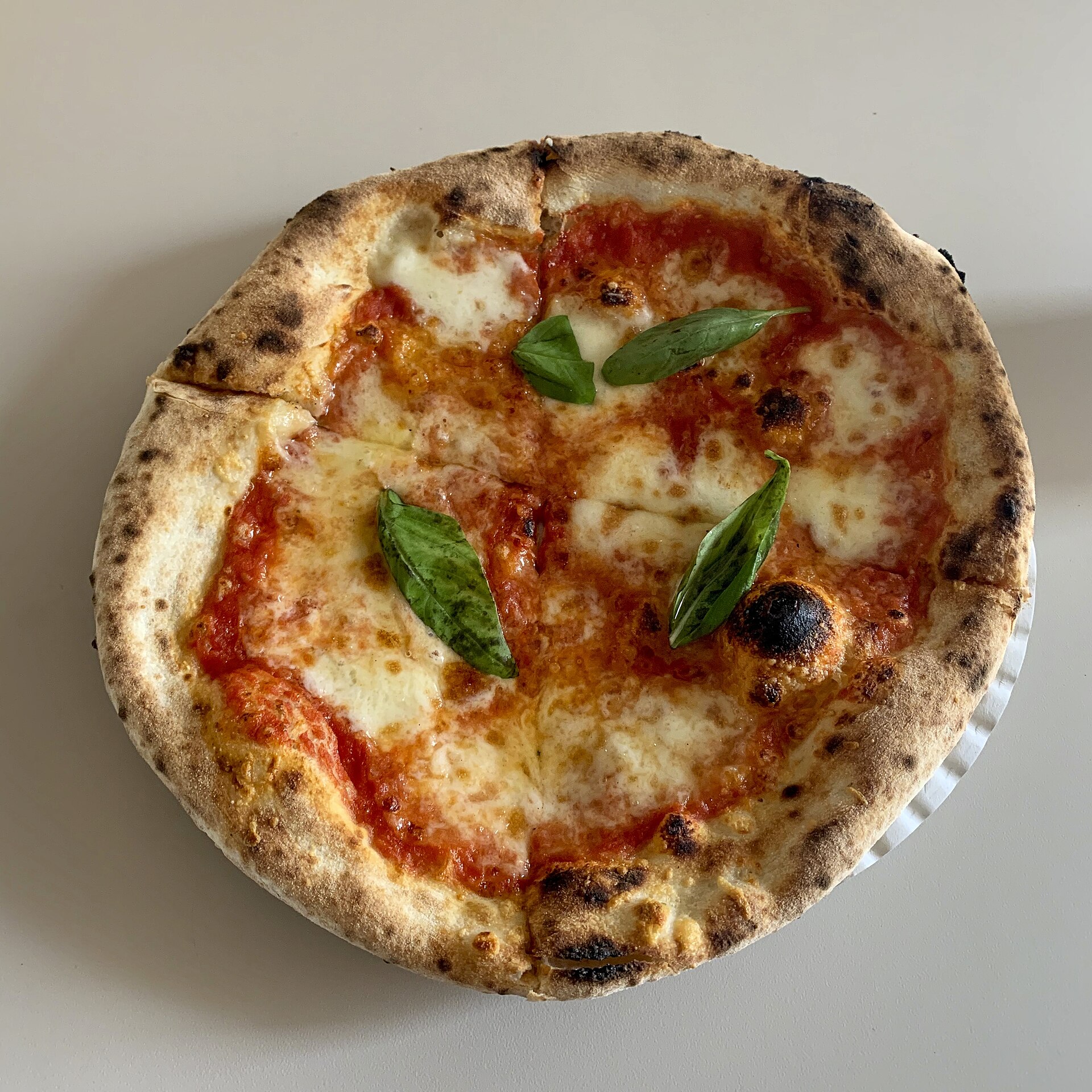
| Sit-down pizza (margherita) | €6 – €12 |
| Plate of pasta | €9 – €15 |
| Gelato (small/medium) | €2.50 – €4.00 |
| Aperitivo / spritz | €4 – €8 |
| House wine (quarter litre) | €3 – €5 |
| House wine (half litre) | €6 – €10 |
| Bottled water (0.75–1L, restaurant) | €1.50 – €3.00 |
| Trattoria dinner, per person with wine | €20 – €35 |
| Mid-range two-course dinner for two | €40 – €70 |
| Fine dining tasting menu, per person | €50 – €150+ |
Keep this in your back pocket. If a menu is charging meaningfully more than these numbers and you are not somewhere obviously special, you are paying the tourist tax.
Coffee and breakfast costs: the cheapest meal you’ll eat
Breakfast in Italy is small, fast, and cheap. A cappuccino and a cornetto, standing at the bar, runs you about €3 total. That is the classic Italian morning and it is one of the great deals in European travel.
The thing nobody tells you until you have already been burned is the standing vs. sitting price split. Italian bars often run two prices: al banco (at the counter, standing) and al tavolo (at a table, seated). Standing, your espresso is around €1. Sit down at a table, especially in a tourist spot, and the same espresso can cost €2.50, €3, sometimes more. You are paying for the chair and the waiter. There is nothing shady about it as long as the prices are posted, which by law they usually are.
So the move is simple. Order at the counter, drink it there in three minutes like everyone around you, pay a euro, and walk out. Do that every morning and your coffee habit costs almost nothing.
A few specifics on the cost of food in Italy at breakfast time:
- Espresso al banco: €1.00–€1.30
- Cappuccino al banco: €1.50–€2.00
- Cornetto: €1.20–€1.80 (plain, or filled with cream, jam, or pistachio)
- Spremuta (fresh-squeezed orange juice): €3–€5, more than the coffee, but it is real juice
- Sit-down café breakfast in a tourist piazza: €8–€15 per person
One real warning. A coffee in Piazza San Marco in Venice or at one of the grand historic cafés can run €6–€10 once you add table service and the music charge. That is a deliberate experience you are buying, not a rip-off, but know it before you sit.
Lunch on the cheap: how to eat for under €10
Lunch is where Italy rewards you for paying attention. You can eat a fantastic lunch for €5-10 if you go where the locals go, or you can sit down for a proper pranzo and pay €25.
Your cheapest, most reliable options:
- Pizza al taglio (pizza by the slice, sold by weight): about €2.50-4 a slice, so two squares and you are full for €5-6. This is my default lunch in any Italian city.
- Panino from a bar or paninoteca: €3.50-6 for a real sandwich with good cured meat and cheese.
- Tavola calda (a sort of cafeteria-deli with hot trays): you point at things, they weigh or plate them. A solid plate of pasta or a hot dish runs €5-9.
- Supplì or arancini (fried rice balls): €2-3 each, a snack-meal in Rome and Sicily respectively.
Many trattorias also run a pranzo fisso (fixed lunch menu), typically a first course, a second, and sometimes water or coffee, for around €12-18. If you want a real sit-down meal but do not want dinner prices, lunch is when to do it. The exact same kitchen often charges less at midday.
For more ways to keep daily spending down across your whole trip, my Italy on a budget guide goes deeper than just food.
Dinner and restaurant prices: what a real meal costs
This is the number people actually want. A sit-down dinner is where Italy restaurant prices climb, and where the bill can surprise you if you order the full Italian sequence without doing the math.
Here is how an Italian menu is built, because the structure drives the cost:
- Antipasto (starter): €6-12
- Primo (pasta, risotto, soup): €9-15
- Secondo (meat or fish main): €13-22
- Contorno (a side, ordered separately): €4-6
- Dolce (dessert): €4-7
You are not expected to order all of those. Locals frequently have just a primo, or a primo and a contorno, or an antipasto and a secondo. If you order an antipasto, a primo, a secondo, a side, a dessert, and wine, you have built a €45-60 dinner per person without trying. That is a choice, not a requirement.
Realistic dinner totals per person, including a glass or two of house wine:
- Simple trattoria, one course plus wine: €15-20
- Trattoria, two courses plus wine and cover: €25-35
- Mid-range ristorante, full meal: €40-55
- Fine dining / tasting menu: €60-150+, before wine pairings
A practical example. Two people sharing an antipasto, each getting a pasta, splitting a half litre of house wine, plus coperto: you are looking at roughly €50-65 for the table. That is a genuinely good Italian dinner and a fair price. If your bill for the same thing is €110, you ate in a tourist trap.
Seafood is the wildcard. Fish is often priced all’etto (per 100 grams), so a whole fish or a seafood pasta can land much higher than the menu suggests. Always ask the weight and the total before you say yes. This is the single most common way travelers get a shocking bill on the Italian coast.
For a city-specific deep dive on where to eat and what it costs, my guide to eating in Rome and the broader Italy food and wine travel page are good next stops.
The venue ladder, explained
Half of understanding Italy meal cost is understanding what kind of place you have walked into. The name on the sign tells you roughly what you will pay. Here is the ladder, cheapest to priciest:
- Bar / caffè. Not a pub. This is the espresso-and-cornetto place, also good for a panino. Cheapest food in town. Coffee €1, sandwich €4.
- Tavola calda / rosticceria. Counter food, hot trays, pizza al taglio. Quick, cheap, no table service. €5-10 for a full plate.
- Pizzeria. Sit-down pizza and usually fried starters and beer. A pizza and a drink runs €10-16 total. Excellent value for a real meal.
- Trattoria. The heart of Italian eating. Family-run, regional, no pretension, handwritten menu. €20-35 per person with wine. This is where you want to eat most nights.
- Osteria. Originally a wine-focused tavern; today often interchangeable with trattoria, sometimes a touch more polished. Similar pricing, €25-40 per person.
- Ristorante. The most formal tier. Tablecloths, fuller wine list, a secondo you are expected to order. €40-70+ per person.
The names are not legally protected, so a fancy place can call itself a trattoria to seem humble, and a simple place can call itself a ristorante to seem grand. Use the ladder as a guide, then check the posted menu and prices, which restaurants are required to display outside.
My honest advice: live in the pizzeria-and-trattoria range. That is where Italy is both cheapest and, frankly, best.
Coperto and servizio: the charges that hit your bill
Two small charges catch travelers off guard, and both land on your food bill specifically.
Coperto is a per-person cover charge. It is not a scam and it is not a tip. It pays for your place setting, the bread, the tablecloth, the fact that you are occupying a table. It is typically €1.50-3 per person, and in heavily touristed places it creeps to €4-5. It is usually printed right on the menu. As long as it is disclosed, it is completely legal and normal.
Servizio is a service charge, more common in tourist areas and on larger groups. When it appears it is usually 10-12% and it should be stated on the menu. Here is the part that matters: if servizio is already on the bill, you do not need to tip on top. The service is, literally, already paid.
Tipping in Italy is not the loaded ritual it is in the US. Servers earn a real wage and a tip is a small bonus for good service, not an obligation. Rounding up or leaving a few euros is plenty. I cover the etiquette properly in my tipping in Italy guide, so I will keep it short here and stay in my lane, which is prices.
What to actually do: glance at the menu for “coperto” and “servizio” before you sit, factor a euro or two per person for the cover, and do not double-tip when service is included.
Drinks and aperitivo: the best deal in Italy
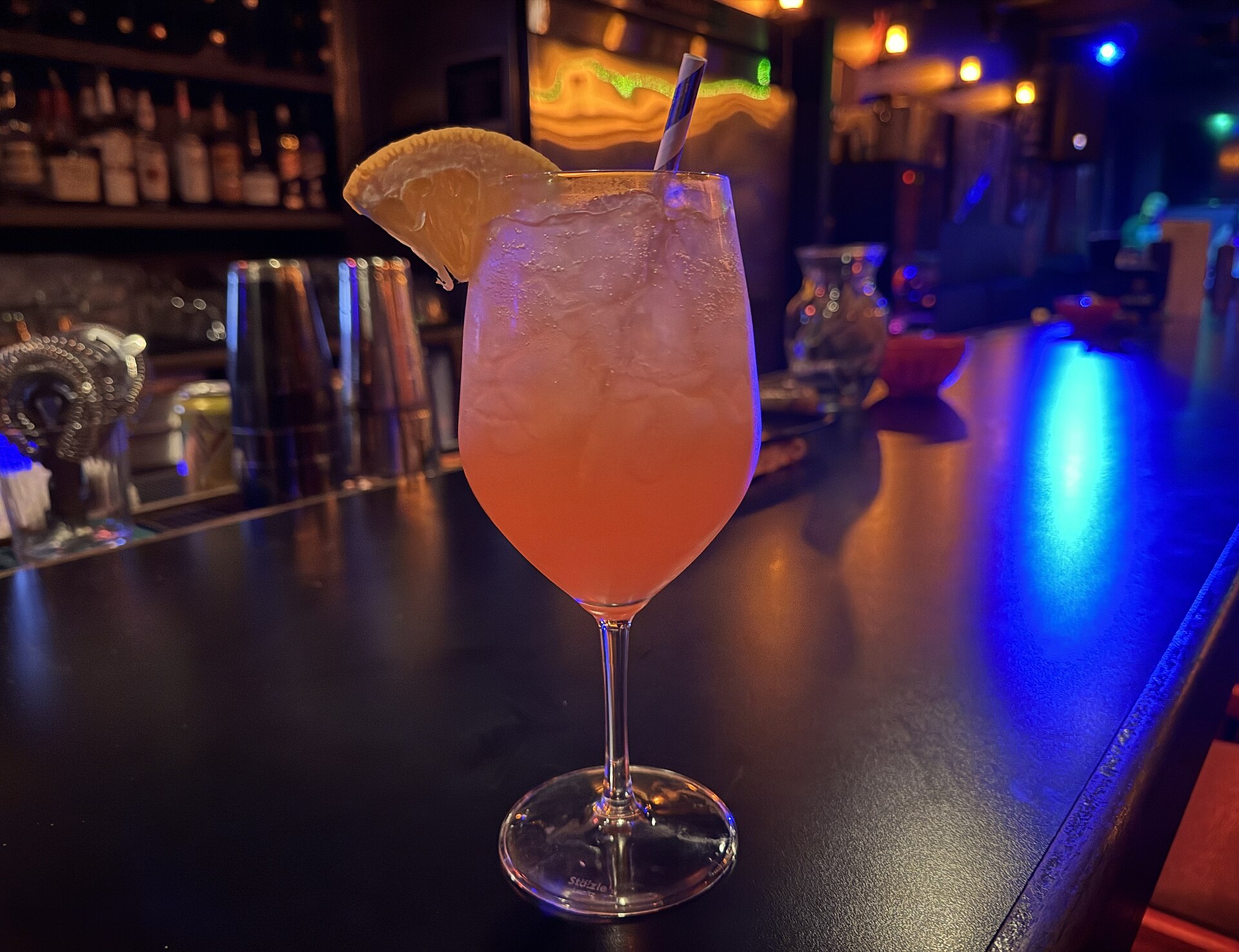
If you want one cultural-and-financial hack for Italy, it is aperitivo. In the early evening you order a drink, usually an Aperol or Campari spritz for €4-8, and the bar brings you snacks: chips, olives, nuts, little bites, sometimes a small spread. In Milan and parts of the north, “apericena” goes further, with a buffet substantial enough to be dinner, often for around €10-15 including the drink. That is a meal and a drink for the price of a cocktail back home.
Drink prices, roughly:
- Spritz / aperitivo cocktail: €4-8 (and €10-20 on a rooftop or famous piazza)
- Glass of house wine: €4-6 in a restaurant; a quarter litre carafe €3-5
- Half litre of house wine: €6-10
- Bottle of decent local wine in a restaurant: €15-25 and up
- Beer: €4-7 for a draught, more for imports
- Bottled water: €1.50-3 for a 0.75-1L bottle on the table
That water charge surprises people. Restaurants do not bring free tap water by default, and many will not love being asked, though tap water is safe almost everywhere. You ask for acqua del rubinetto (tap) if you want to skip the bottle, or just accept the €2 bottle as a normal cost. It is one of those small line items that adds up across a trip.
House wine, by the way, is the value play and is usually perfectly good. Order the vino della casa by the carafe and you will drink well for a fraction of what a named bottle costs.
Self-catering and supermarkets: the cheap-trip lever
If you have a kitchen, or even just a fridge and a balcony, you can crush your food budget. Italian supermarket and market prices are low and the quality is high.
Rough supermarket prices, as of 2026:
- Fresh bread: €1-2 a loaf from a bakery or supermarket counter
- Parmigiano or pecorino: €8-12 per kilo (you only need a chunk)
- Cured meats (prosciutto, salami): a few euros for enough for two
- Fresh pasta: €3-5 a pack; dried pasta is barely €1
- Tomatoes, fruit, veg at a market: cheap and seasonal
- A genuinely drinkable bottle of wine: €4-8
- A domestic beer: as little as €1
The discount chains, Lidl, Eurospin, and Aldi, are your friends for the lowest prices, and Lidl in particular has a daily bakery. The regular supermarkets, Coop, Conad, Esselunga, are a half-step up in price and selection.
My favorite low-cost lunch on any Italian trip costs about €8-10 for two: bread, a wedge of cheese, some prosciutto, a few tomatoes, and a bottle of cheap-but-good wine, eaten on a bench or balcony. The outdoor markets make it even better, and wandering one is free entertainment too. For more no-cost ideas between meals, see my list of free things to do in Italy.
Doing one self-catered meal a day, usually breakfast and lunch, then a proper trattoria dinner, is how I personally keep the cost of food in Italy reasonable without feeling like I am missing out.
Regional and tourist-trap pricing: where it gets expensive
Italy is not one price. Where you are matters enormously, and so does how close you are standing to a famous monument.
The expensive zones. Venice, Florence, the Amalfi Coast, Capri, Portofino, Cortina, and the immediate area around any major attraction. In Venice a basic pasta in a canal-side spot can hit €18-22, water is €3-4, and the bread/coperto charges run high. The Amalfi Coast and Lake Como are similar: beautiful, and you pay for the view. Milan is expensive for drinks and dinner but offers the best apericena value.
The cheap zones. The south and the islands. Naples, Sicily (Palermo, Catania), Puglia, Calabria. A margherita in Naples, the birthplace of the pizza, can be €5-7 for the real thing, and a trattoria dinner runs noticeably less than the same meal in Tuscany. If eating well for less matters to you, head south. My Naples travel guide leans into exactly this kind of value, and the affordable places in Italy roundup points you to more.
The tourist-trap tells, no matter the city:
- A host standing outside aggressively waving you in
- Menus with photos of the food, and translated into six languages
- “Tourist menu” or “menù turistico” at a fixed price, usually mediocre
- A location directly facing a major sight
- No prices posted, or fish without a weight listed
- A coperto well above €4 per person
The fix is almost insultingly simple. Walk two or three streets away from the monument. Prices typically drop 10-20% and the food gets better, because that is where the staff and locals actually eat. The closer you are to the Trevi Fountain or the Rialto Bridge, the more you pay for the privilege and the less you get on the plate.
Daily food budgets: pick your tier
Putting it all together, here is what to budget per person, per day, for food in Italy as of 2026. These assume you are eating three meals plus a coffee and a drink.
- Budget (€25-40/day). Bar breakfast standing at the counter, pizza al taglio or a panino for lunch, a simple one-course trattoria dinner or a supermarket spread, house wine. Totally doable and you will eat well.
- Mid-range (€50-80/day). Café breakfast, a relaxed sit-down lunch, a two-course trattoria dinner with wine and an aperitivo. This is the sweet spot for most travelers and the most fun.
- Comfortable (€90-130+/day). Sit-down everything, a nicer ristorante most nights, cocktails, the occasional splurge meal. Add more if you are doing tasting menus.
A couple traveling mid-range should plan roughly €100-160 a day for food together. Solo travelers pay a bit more per head because you cannot split a half litre of wine or share an antipasto.
How food fits into the rest of your spending, lodging, transport, sights, is its own subject. I break the whole picture down in how much a trip to Italy costs and the master Italy travel budget guide. For non-food line items you might be budgeting around, see Italy museum ticket prices and Italy train prices.
Final thoughts
The cost of food in Italy is whatever you decide it is. The same country that will charge you €9 for a coffee in a famous piazza will sell you the best pizza of your life for €6 a few streets away. Stand at the bar, eat lunch at counters, save sit-down meals for trattorias and pizzerias, lean on aperitivo and house wine, and walk away from the monuments before you eat. Do that and you will eat like a king for the price of a tourist’s mediocre dinner. For the bigger picture on stretching your money, my practical stuff nobody tells you about Italy and Italy travel guide pull it all together.
Questions travellers ask
How much should I budget for food per day in Italy?
Plan around €25-40 per day if you eat at counters, takeaway windows, and simple trattorias, €50-80 for a comfortable mix with a sit-down dinner and a drink, and €90-130+ if you sit down for every meal at nicer places. Most travelers land happily in the €50-80 range.
Is food expensive in Italy compared to the US?
Generally no, especially for the quality. A great pasta dish is €9-15, a real pizza €6-12, and house wine is cheap and good. Tourist-zone restaurants in Venice or Florence can rival US city prices, but step away from the monuments and Italy is very fair value, and the food is usually better too.
Why is coffee cheaper standing up in Italy?
Italian bars charge less al banco (standing at the counter) than al tavolo (at a table) because table service costs them more. An espresso might be €1 standing and €2.50 or more seated, especially in tourist spots. Order at the counter, drink it there, and pay the local price. The two prices are usually posted by law.
What is coperto and do I have to pay it?
Coperto is a per-person cover charge, usually €1.50-3, that covers your place setting, bread, and the table. It is not a tip and it is not optional, but it must be disclosed, normally printed on the menu. It is completely legal and normal in Italy. In tourist areas it can reach €4-5 per person.
How much does a typical dinner cost in Italy?
A trattoria dinner runs about €20-35 per person with house wine, covering a course or two plus the cover charge. A mid-range ristorante is €40-55, and fine dining starts around €60 and climbs past €150 for tasting menus. You are not obligated to order every course, which keeps the total down.
Do you tip at restaurants in Italy?
Tipping is not expected the way it is in the US, because servers earn a real wage. Rounding up or leaving a few euros for good service is plenty, and if a servizio (service charge) is already on the bill, you do not tip on top. I cover this fully in my separate tipping guide so you do not over- or under-do it.
How can I eat cheaply in Italy without eating badly?
Eat where locals eat: pizza al taglio and panini for lunch, trattorias over tourist-menu places for dinner, and aperitivo for cheap early-evening food and a drink. Shop the supermarkets and markets for one self-catered meal a day, order house wine, and walk a few streets away from any major sight before sitting down.
Is tap water free in Italian restaurants?
Not usually by default. Restaurants serve bottled water, around €1.50-3 a bottle, and many do not automatically offer tap. Tap water is safe to drink almost everywhere in Italy, and you can ask for acqua del rubinetto, though some places prefer to sell the bottle. It is a small but real line item over a full trip.