Free Things to Do in Italy’s Major Cities
People warn you that Italy is expensive. They are half right. The tickets add up fast, but the country itself, the part that makes your jaw drop, is mostly free.
Most of the best free things to do in Italy cost nothing because they were never meant to be sold: churches stuffed with Caravaggios and Bernini marble, piazzas designed to stop you in your tracks, hilltop viewpoints over terracotta rooftops. On top of that, every state museum in the country opens its doors for free on the first Sunday of each month. So this guide is for anyone who wants the real Italy without the constant tap of a card reader, organized by city so you can plan a day around it.
I’ll be honest about what changed, too. A few former freebies now charge, and I’ll flag every one so you don’t show up expecting a free door and hit a ticket booth.
The quick version: free things to do in Italy by city
Here’s the cheat sheet. Each of these is genuinely free, all the time, no ticket required. The deeper city sections below add timing, names, and the catches.
| City | Standout free things |
|---|---|
| Rome | St. Peter’s Basilica, Piazza Navona, Spanish Steps, Gianicolo & Pincio viewpoints, Caravaggios in three churches |
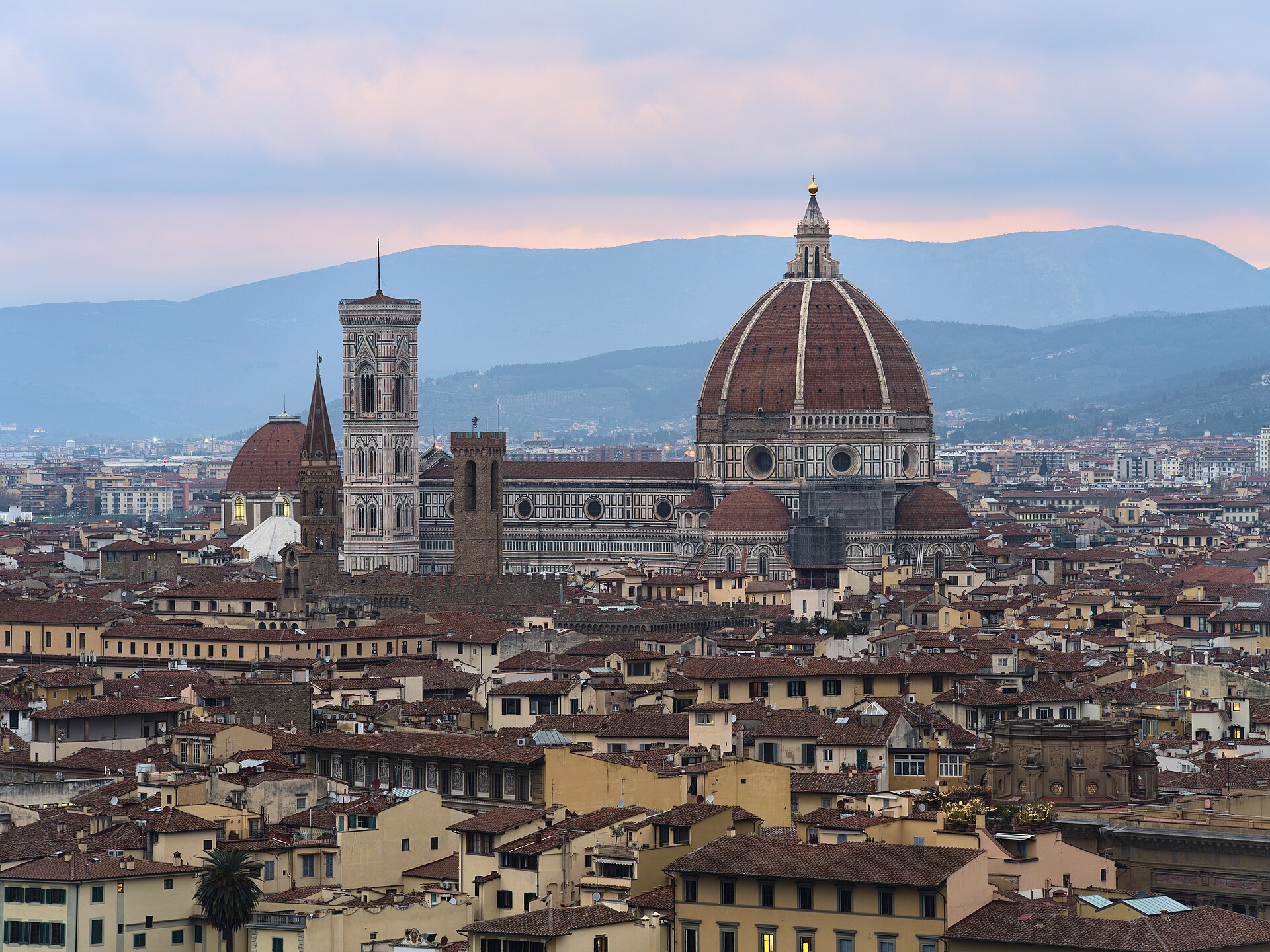
| Florence | Duomo interior, Piazzale Michelangelo, San Miniato al Monte, the Rose Garden, Oltrarno churches |
| Venice | Piazza San Marco at dawn, Rialto Bridge, Frari & Salute churches, getting lost in Cannaregio |
| Naples | Spaccanapoli, the Lungomare seafront, Galleria Umberto I, Gesù Nuovo & Santa Chiara churches |
| Milan | Duomo interior, Galleria Vittorio Emanuele II, the Navigli canals, Cimitero Monumentale, Sant’Ambrogio |
| Anywhere | First-Sunday free state museums, parish churches, markets, public parks, seaside promenades |
Bookmark this next to my wider Italy on a budget notes, and if you want the paid side of the ledger, the Italy museum ticket prices breakdown covers what’s worth paying for.
Free museum Sundays in Italy, explained
This is the single best trick for free museums in Italy, and it is officially sanctioned, not a loophole.
It’s called Domenica al Museo. On the first Sunday of every month, state-run museums, monuments, and archaeological parks across Italy let everyone in for free. We’re talking hundreds of sites, around 480 of them as of 2026, from the Colosseum and the Uffizi to the Borghese Gallery and Pompeii. The Ministry of Culture runs the scheme and publishes the details at cultura.gov.it/domenicalmuseo.
The 2026 first Sundays are: January 4, February 1, March 1, April 5, May 3, June 7, July 5, August 2, September 6, October 4, November 1, and December 6.
A few things I’ve learned the hard way about how it actually works:
- It only covers state-run sites. Civic museums (run by the city, like much of Venice’s network) and private collections usually still charge. Most big national names qualify, but check before you bank on it.
- Free does not mean walk straight in. For the marquee sites, you still need a timed entry. The Colosseum and the Borghese Gallery, in particular, require you to reserve a free slot in advance, and those slots vanish quickly. Smaller museums hand out free tickets at the door, first come, first served.
- It gets busy. A free Sunday at the Uffizi is a free Sunday for everyone. Go at opening or in the last hour, not at noon.
There are also a handful of bonus free days each year: March 8 (free for women, on International Women’s Day), April 25 (Liberation Day), May 1, June 2 (Republic Day), and November 4. Treat the first Sunday as your anchor and build a half-day around one big site.
For the full math on when a pass beats single tickets, I keep that in the Italy museum ticket prices guide. Here, the free Sunday is your way in.
Rome for free
Rome might be the most generous free city in Europe. You could spend three days here and pay for almost nothing but gelato.
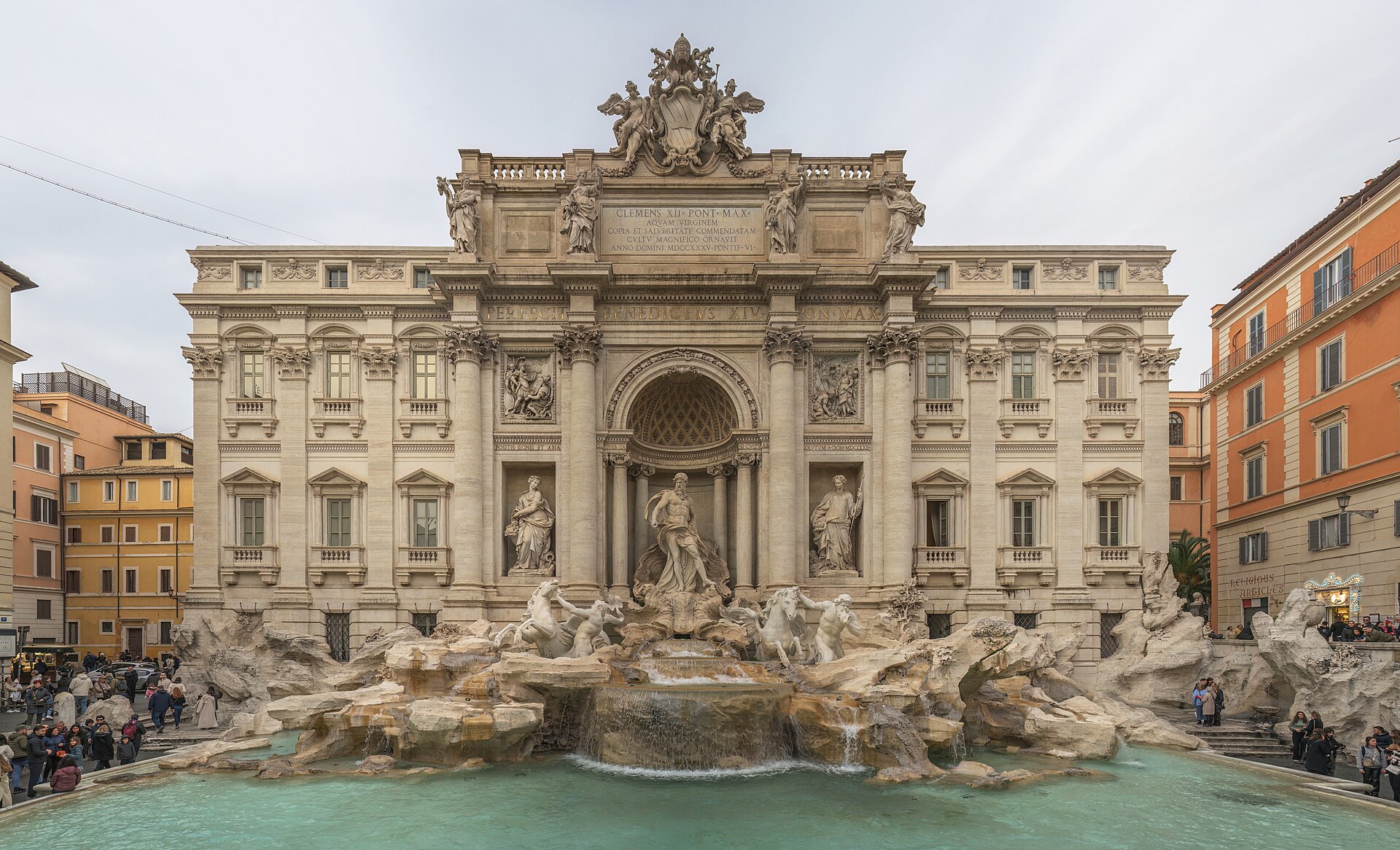
The big free sights. St. Peter’s Basilica is free to enter, and it’s one of the grandest interiors on earth, Michelangelo’s Pietà and all. (The dome climb and the Vatican Museums are separate paid tickets.) Piazza Navona, with its Bernini fountains and the church of Sant’Agnese in Agone, costs nothing. So do the Spanish Steps, the Trevi Fountain, and Piazza del Popolo.
Two honest caveats on the fountains. The Trevi added a small €2 ticket as of 2026 to access the lower terrace right beside the water during the day, roughly 9am to 10pm; the upper viewing area stays free, and the whole thing is free and quieter early morning or late at night. And the Pantheon, which used to be free, now charges (more on that below).
Caravaggios for free. This is my favorite Roman secret, and it’s hiding in plain sight. You can see six Caravaggio masterpieces for free, in working churches in the historic center:
- San Luigi dei Francesi (near Piazza Navona) holds three: The Calling of Saint Matthew, the Martyrdom, and Saint Matthew and the Angel, all in the Contarelli Chapel.
- Santa Maria del Popolo has two in the Cerasi Chapel: the Conversion of St. Paul and the Crucifixion of St. Peter.
- Sant’Agostino has the Madonna of the Pilgrims.
Entry is free; bring a few coins to feed the light boxes that illuminate the paintings. Dress modestly, these are churches.
Viewpoints. The Gianicolo (Janiculum Hill) is my pick for the best free panorama in Rome, all the way from the Pantheon to the Colosseum, and a cannon fires there at noon every day. The Pincio Terrace above Piazza del Popolo is the sunset spot. The Orange Garden (Giardino degli Aranci) on the Aventine is quieter, and the keyhole at the nearby Knights of Malta gate frames St. Peter’s dome for free.
Parks and walking. Villa Borghese is Rome’s Central Park, free to roam. Villa Doria Pamphilj is even bigger and barely touristed. And the Via Appia Antica, the ancient Roman road, is a free, atmospheric walk past tombs and umbrella pines, best on a Sunday when much of it closes to cars. For a full itinerary, see my things to do in Rome guide and the wider Rome tourism overview.
Florence for free
Florence packs the highest art-per-square-meter ratio in Italy, and a surprising amount of it is free if you know where to look.
Churches. The interior of the Duomo (Santa Maria del Fiore) is free, you enter through a marked side door and the line moves fast. Just know that the dome climb, Giotto’s bell tower, the crypt, and the baptistery are a separate paid Opera del Duomo circuit. Most of Florence’s other churches are free to enter, including Santo Spirito in the Oltrarno (with a Michelangelo crucifix) and the sublime, often empty San Miniato al Monte up the hill, where the monks still sing Gregorian chant.
One nuance worth flagging: Santa Croce, where Michelangelo and Galileo are buried, now charges about €11 as a museum complex. If you genuinely come to pray you can ask to enter free, but as a sightseer, expect to pay.
Viewpoints. Piazzale Michelangelo is the postcard view of the whole city and the river, and it’s free, day or night. Walk up rather than taking the bus and you’ll pass the Rose Garden (Giardino delle Rose), free, with sculptures and a terrace looking back over the rooftops. The Bardini Garden next door is lovely but ticketed, so the Rose Garden is the free play.
The city itself. Crossing the Ponte Vecchio, wandering the San Lorenzo and Sant’Ambrogio markets, and standing in Piazza della Signoria under a free open-air copy of Michelangelo’s David, none of it costs a thing. More in my things to do in Florence guide.
Venice for free
Everyone says Venice is expensive. The water taxis and the sit-down coffee on San Marco are. But the city’s greatest pleasure, getting lost in it, is free.
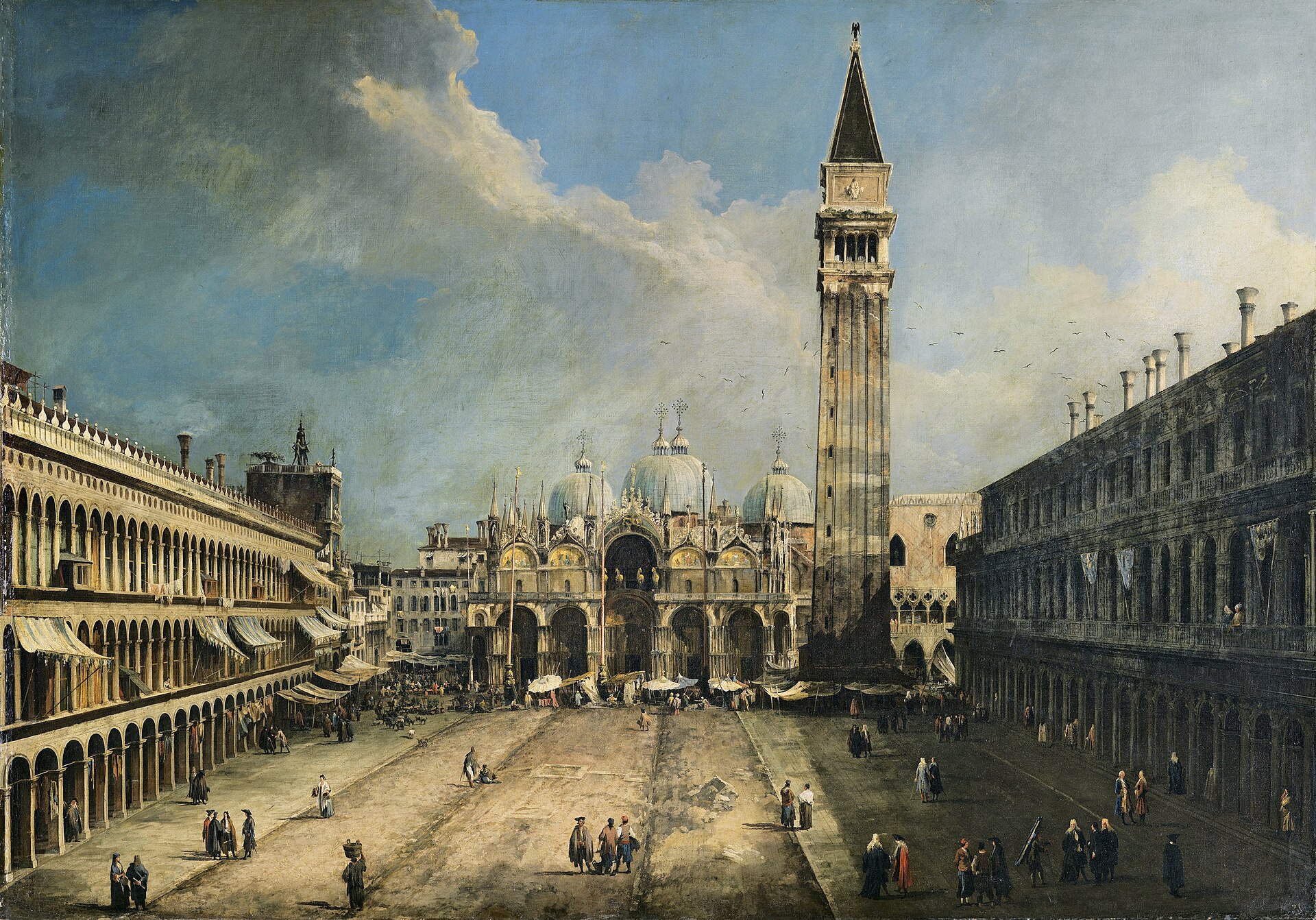
Piazza San Marco is free, and at dawn, before the day-trippers and with the orchestras still asleep, it’s one of the great experiences in Europe. Wander over the Rialto Bridge for the classic Grand Canal view, then duck into the quiet Cannaregio and Castello neighborhoods where locals actually live.
Churches. The exterior and square of St. Mark’s Basilica cost nothing to admire (inside has a small charge and a separate ticket for the Pala d’Oro). For free interiors, head to Santa Maria della Salute, the great Baroque dome at the mouth of the Grand Canal, and the Frari, a soaring Gothic church holding Titian’s Assumption, which is free to step inside and see from the nave. San Giorgio Maggiore across the water is free too (the bell-tower lift is paid, but the church is not).
A genuinely free bit of fun: the Libreria Acqua Alta, the bookshop that stores its stock in bathtubs and a gondola against the floods. Browsing is free.
Two catches. First, most of Venice’s civic museums (the Doge’s Palace, the museums on San Marco) are city-run, so the first-Sunday national scheme does not cover them. Second, on certain peak days Venice now charges a day-tripper access fee to enter the historic center, which I cover at the end. For the rest, my things to do in Venice guide goes deeper.
Naples for free
Naples is the best value of any major Italian city, and the most alive. Half the joy is simply being in the street.
Spaccanapoli is the dead-straight old Roman road that slices through the historic center, and walking it is free theater: laundry overhead, shrines, sfogliatella shops, and a string of extraordinary free churches. Gesù Nuovo, with its strange diamond-pointed stone facade and a blazing Baroque interior, is free. So are Santa Chiara (the gorgeous tiled cloister next door is ticketed, but the church is free), the Duomo, and San Lorenzo Maggiore.
The Lungomare is Naples’ three-kilometer seafront promenade from Castel dell’Ovo to Mergellina, free to walk, with Vesuvius across the bay and the islands on the horizon. At the city end you can also stand in Piazza del Plebiscito and step inside the magnificent glass-roofed Galleria Umberto I, both free.
It’s a city that rewards walking and rewards your stomach without rewarding the wrong neighborhoods at night, so use a little street sense. My Naples travel guide has the full lay of the land, and Naples anchors a lot of my affordable places in Italy picks.
Milan for free
Milan has a reputation as Italy’s pricey fashion capital, which makes its free side a pleasant surprise.
The interior of the Duomo is free to enter (the rooftop terraces, which are spectacular, are a paid ticket). Next door, the Galleria Vittorio Emanuele II, the soaring 19th-century glass-and-iron arcade, is free to walk through. The Sant’Ambrogio Basilica, one of the oldest churches in the country, is free, and nearby you can step into Bramante’s cloisters at the Catholic University.
Two underrated free picks: the Navigli canal district at dusk, all bars, street art, and reflections, and the Cimitero Monumentale, which is less a cemetery than an open-air sculpture gallery and completely free.
And Milan plays the free Sunday card well: the Pinacoteca di Brera, with its Raphael and Mantegna, is free on the first Sunday of the month (reserve ahead, it’s mandatory). Several civic museums in Milan are also free on the first Sunday and after certain hours, more than most cities offer.
Free things to do anywhere in Italy
Beyond the big five, the same free pleasures repeat in every Italian town. This is the heart of doing Italy cheaply.
- Churches. This is the country’s open secret. Italy’s parish churches are free, and many hold serious art, frescoes, marble, a stray Old Master, that would be a ticketed museum anywhere else. Cover your shoulders and knees, keep quiet, skip flash photos, and never wander around during Mass.
- Piazzas. The piazza is Italy’s free living room. Buy nothing, sit on the church steps, and watch the passeggiata, the evening stroll, unfold. It’s the best free show in the country.
- Viewpoints. Nearly every hill town has a free belvedere or a stretch of medieval wall to walk. Sunset from any of them beats most paid attractions.
- Markets. The morning food market is free to wander and a joy to wander even if you only buy a peach. Browsing alone teaches you more about a region than a museum café.
- Seaside promenades. From Naples to the Riviera, the lungomare is public and free. Bring an evening to it.
- Walking the cities. This is the big one. The historic centers of Italy are open-air museums you never buy a ticket for. Just walking Rome, Florence, or Siena is the main event.
If you want to stretch a budget across the whole trip, this slots into my how much does a trip to Italy cost breakdown, and pairs well with keeping the cost of food in Italy down by eating standing at the bar.
What’s not free anymore
I’d rather you hear it from me than at a ticket booth. A few things that used to be free have changed.
The Pantheon (Rome). For centuries it was free; since 2023 there’s a €5 ticket (rising to €7 from July 2026). The catch that helps you: it’s free on the first Sunday of the month, free for under-18s of any nationality, and €2 reduced for EU citizens 18 to 25. On free Sundays you can’t reserve, you queue and collect a free ticket at the door.
Trevi Fountain (Rome). As noted above, the lower terrace right at the water’s edge now carries a small €2 charge during daytime hours. The classic free view from above, and the whole thing early or late, is unchanged.
Venice’s access fee. On peak days in 2026, day-trippers entering Venice’s historic center must pay an access fee and pre-register, roughly €5 if you book at least four days ahead, €10 if you book last-minute. It applies on selected Fridays through Sundays from early April into late July (about 60 days total), generally 8:30am to 4pm. Overnight guests, under-14s, and people with disabilities are exempt, though overnight guests still register for an exemption code. I keep the moving details in my Venice entry fee explainer. The takeaway: it doesn’t make Venice expensive, but it’s a real step you shouldn’t skip.
None of this changes the headline. The overwhelming majority of what makes Italy unforgettable is still free.
Final thoughts
Here’s the mindset shift that saves you the most money in Italy: the tickets are for the highlights, but the country itself is the attraction, and it’s free. Spend on the two or three sights you truly can’t miss, anchor a day around a first-Sunday free museum, and let the rest be churches, piazzas, viewpoints, and long walks.
Do that and you’ll come home having seen the real Italy without bleeding euros. For the bigger picture, start with my Italy travel budget hub and the practical hard-won Italy advice, then plan the trip itself with the full Italy planning guide.
Questions travellers ask
What can you do in Italy for free?
A huge amount. You can enter most churches free (many hold world-class art), wander every piazza and market, walk seaside promenades and historic centers, enjoy free hilltop viewpoints, and visit hundreds of state museums and monuments free on the first Sunday of each month. The country’s best experiences rarely require a ticket.
Are museums in Italy free on Sundays?
State-run museums, monuments, and archaeological parks are free on the first Sunday of every month under the Domenica al Museo scheme, not every Sunday. That covers around 480 sites in 2026, including the Colosseum and Uffizi. Civic and private museums usually still charge. For headline sites, reserve a free timed slot in advance.
Is St. Peter’s Basilica free to enter?
Yes. Entering St. Peter’s Basilica is free, including its main floor and the Pietà. You’ll pass through a security line, and there’s a dress code (shoulders and knees covered). The dome climb and the separate Vatican Museums (which include the Sistine Chapel) are paid tickets, but the basilica itself costs nothing.
Is the Pantheon still free?
No longer. Since 2023 the Pantheon charges around €5 (rising to €7 from July 2026). However, it’s free on the first Sunday of the month, free for everyone under 18, and reduced for EU citizens aged 18 to 25. On free Sundays you queue for a ticket at the door rather than booking online.
Is the Trevi Fountain free?
Mostly. Viewing the Trevi Fountain from the upper area is free, and the whole fountain is free early in the morning and late at night. As of 2026 there’s a small €2 charge to stand on the lower terrace right beside the water during the day. So you can absolutely enjoy it for free; just time it well.
Can you see real art in Italy for free?
Yes, and a lot of it. Italy’s churches are free and full of masterpieces, including six Caravaggio paintings across three Roman churches, Titian’s Assumption in Venice’s Frari, and a Michelangelo crucifix in Florence’s Santo Spirito. Add the first-Sunday free museum days and you can see staggering art without a big budget.
Do you have to pay to enter Venice?
Only on certain peak days. In 2026 Venice charges a day-tripper access fee on selected Fridays to Sundays from April into late July, roughly €5 booked ahead or €10 last-minute, between 8:30am and 4pm. Overnight guests, children under 14, and people with disabilities are exempt, though overnight guests must still register for an exemption.
What’s the cheapest Italian city to visit?
Naples, hands down, for the value of what’s free: the whole historic center, the Spaccanapoli churches, the Lungomare seafront, and the Galleria Umberto I cost nothing, and food is cheap too. Rome is the most generous big city for free sights. It is the easiest big Italian city to enjoy without spending much.