Italy Museum and Attraction Ticket Costs
The single most useful thing I can tell you about visiting Italy’s big sights is that the price on the official website is almost never the price you actually pay. There is a booking fee bolted onto nearly everything, and the gap between the official site and a reseller can be brutal.
So let me lay it out plainly. Italy museum ticket prices for the headline attractions sit roughly between €5 and €30 for base admission as of 2026, but most online tickets carry a separate reservation fee of €2 to €5 that the headline price conveniently leaves out. Budget the fee, book the official site, and you are most of the way there.
This is the admission-prices guide. If you want to know what the Colosseum, the Vatican, the Uffizi, and the rest actually cost, what the online surcharge is, and where the passes pay off, you are in the right place. I am not covering trains, food, or your total trip budget here, and I am only touching free museum days briefly. For the bigger picture, start with the Italy travel budget guide.
The quick price table
Here are the headline numbers. Base ticket is the standard adult admission. The booking fee column is the separate online reservation surcharge the official site adds when you buy ahead. Treat everything as “around, as of 2026” because these do creep up.
| Attraction | Base ticket | Online booking fee | Notes |
|---|---|---|---|
| Colosseum + Roman Forum + Palatine (24h) | ~€18 | included in online price | EU 18-24 pay ~€2; under 18 free |
| Colosseum Full Experience (arena + extra sites) | ~€24 | included | 2-day validity, arena access |
| Vatican Museums + Sistine Chapel | ~€20 | +€5 | walk-up €20, online €25 total |
| St Peter’s Basilica | Free | n/a | dome climb ~€10 (stairs) / ~€15 (lift) |
| Uffizi Gallery | ~€25 | +€4 (high season ~€29 total) | afternoon discount in low season |
| Accademia (Michelangelo’s David) | ~€16 | +€4 | booking strongly advised |
| Florence Duomo (Brunelleschi Pass) | ~€30 | included | dome climb needs timed slot |
| Pompeii | ~€18 | small VivaTicket fee | EU 18-25 ~€2; under 18 free |
| Herculaneum | ~€16 | small fee | combined with Pompeii ~€22 |
| Doge’s Palace, Venice | ~€30-35 | -€5 if booked 30 days ahead | part of St Mark’s Square museums ticket |
| Last Supper, Milan | ~€15 | +~€2 | releases in quarterly blocks, sells out fast |
| Borghese Gallery, Rome | ~€16 | +€2 (~€18 total) | timed entry, booking mandatory |
| Pantheon, Rome | ~€5 (€7 from 1 July 2026) | small fee | EU 18-25 ~€2; free first Sunday |
| Leaning Tower of Pisa (climb) | ~€20 | included | combined with cathedral sites ~€27 |
Keep that table handy. The rest of this guide explains the gotchas behind each line, because a couple of them genuinely change how you should plan.
Rome: where the prices add up fastest
Rome is where most people feel the ticket sting, partly because the sights are clustered and partly because the resellers are most aggressive here.
Colosseum, Roman Forum and Palatine
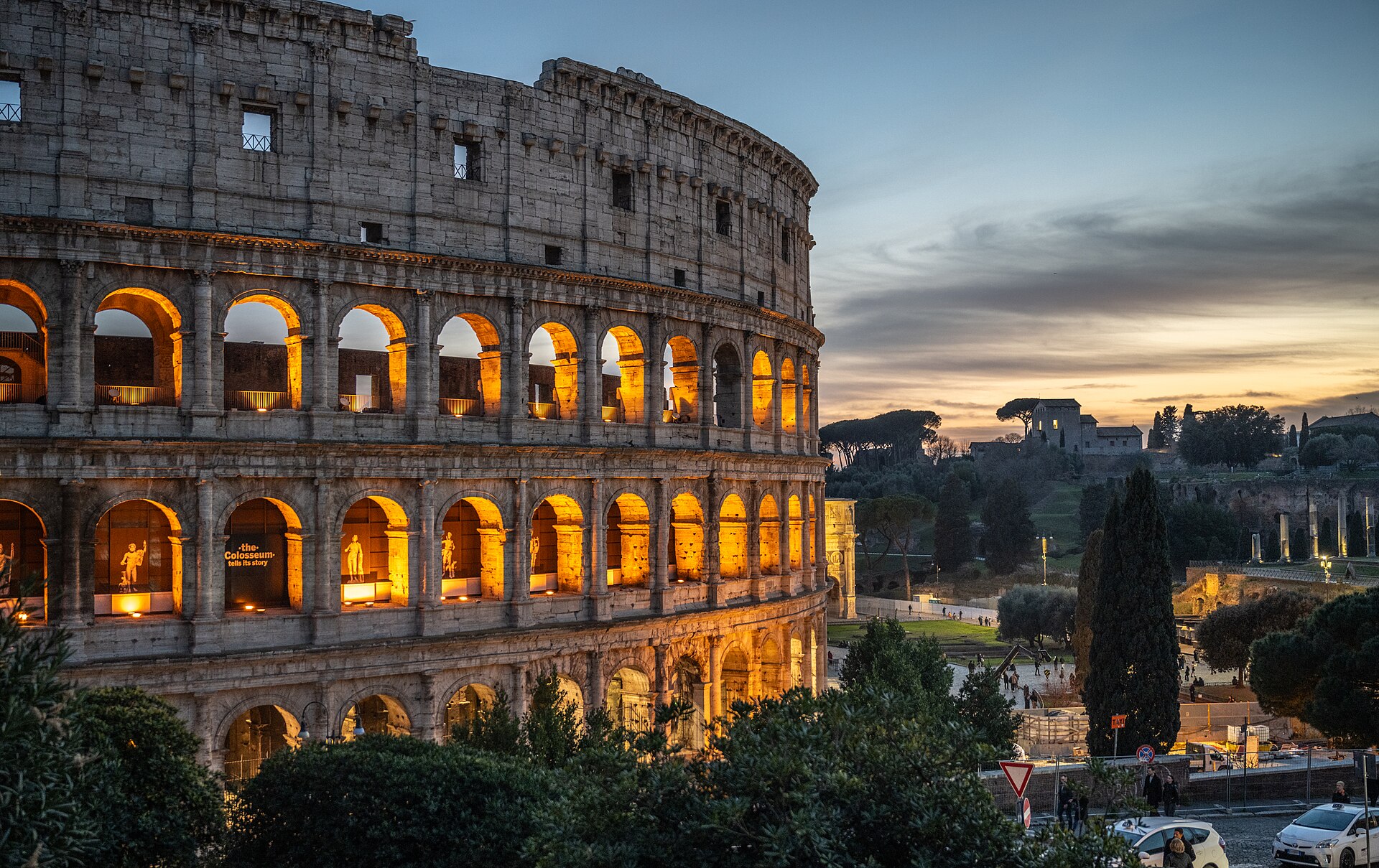
The base ticket is around €18 and, helpfully, it is not just the Colosseum. That €18 buys you a single timed entry to the Colosseum plus access to the Roman Forum, the Palatine, and the Imperial Fora on the same ticket. EU citizens aged 18 to 24 pay roughly €2, and anyone under 18 gets in free (they still need a free reservation, so do not skip that step).
The official ticketing site is ticketing.colosseo.it, and this is the one place the reseller problem really bites. Tickets release exactly 30 days before your visit date and the popular morning slots vanish within hours. If you want the arena floor, you need the Full Experience ticket at around €24, which is valid for two days and adds the underground or arena depending on the version. I cover the strategy in more detail in the Colosseum tickets guide.
Here is the honest part. When the official site is sold out, third-party sellers still have inventory, but at a markup, often bundled into a “skip the line” tour for €40 and up. Sometimes that is your only option for a specific date. Just know you are paying for availability, not magic.
Vatican Museums and the Sistine Chapel
The Vatican is its own little economy. The walk-up price at the door is €20. Book online through the only official site, tickets.museivaticani.va, and you pay €20 plus a €5 reservation fee, so €25 all in. There is no separate Sistine Chapel ticket. It is inside the museums, and your single ticket covers it on the day of issue.
Pay the €5. The Vatican queue without a reservation can swallow two hours in summer, and that fee is the cheapest time you will ever buy in Italy. Reduced tickets (children 7 to 18, students up to 25 with ID) run €10 plus the same booking fee. Kids under 7 are free. The museums are also free on the last Sunday of every month, which I would actively avoid unless you enjoy crowds as a contact sport. More detail lives in the Vatican Museums tickets guide.
St Peter’s Basilica and the dome
St Peter’s Basilica itself is free. That surprises people. You queue for security, not for a ticket, and the entire church costs nothing to enter.
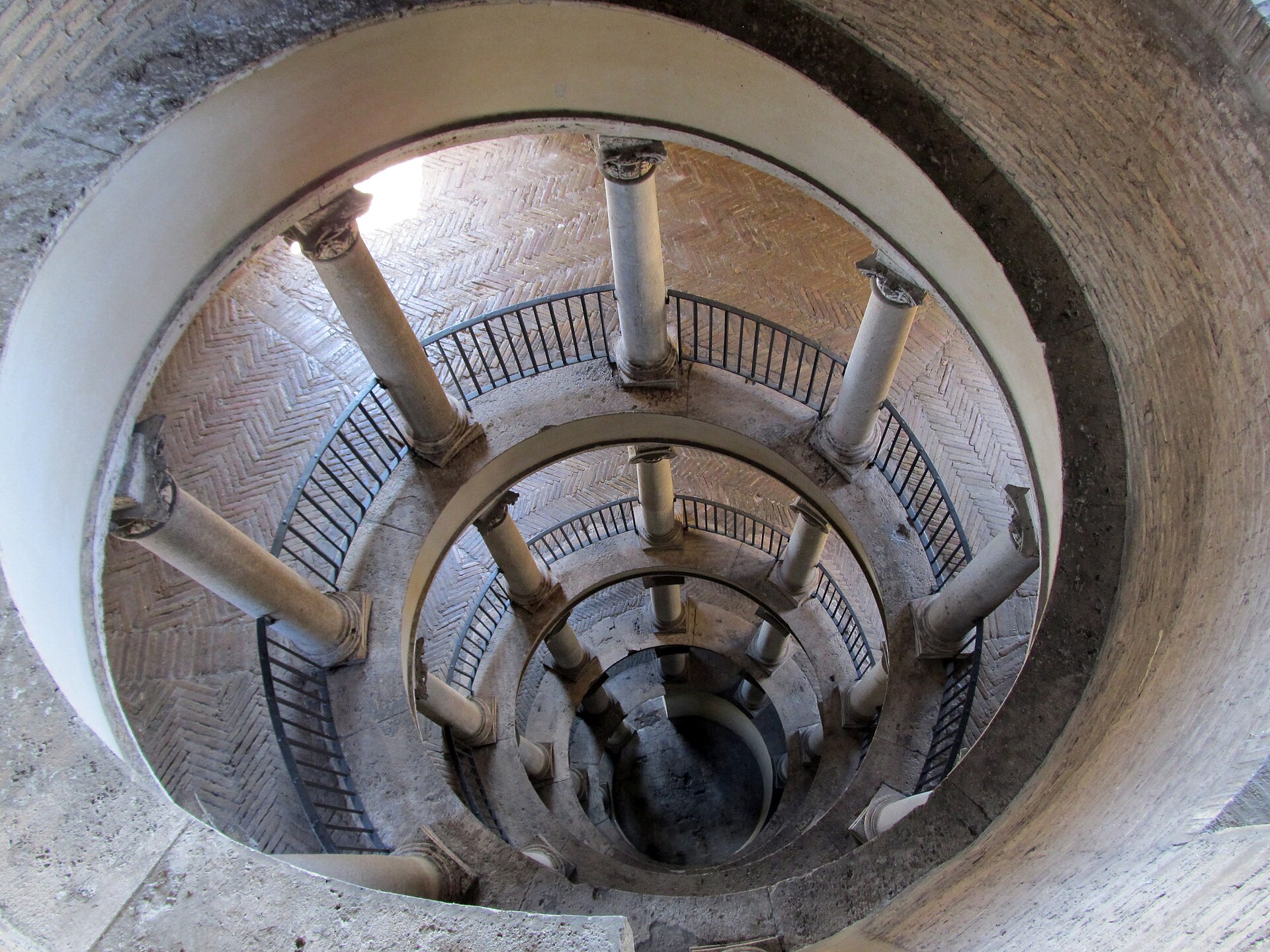
The dome climb (the cupola) is where you pay. It is around €10 if you take the stairs the whole way, or about €15 if you take the lift to the terrace and then climb the final stretch on foot. Either way you finish with 320-odd steps up a curving, narrowing shaft, so the lift only saves your legs partway. Pay at the entrance inside the basilica.
Borghese Gallery
The Borghese is the most civilised ticket in Rome and the most rigid. Admission is around €16 plus a €2 reservation fee, so roughly €18, and there are no walk-ins, ever. Entry is timed in two-hour windows with a hard cap on visitors, which is exactly why the Bernini sculptures feel like a private viewing. Book the official site (galleriaborghese.gov.it) well ahead, especially for weekends.
The Pantheon (now paid)
For centuries the Pantheon was free, and as of mid-2022 it is not. The ticket is around €5 through 30 June 2026, then it rises to €7 from 1 July 2026. EU citizens 18 to 24 pay about €2, under 18s are free, and it is free for everyone on the first Sunday of the month (you queue for a free ticket on site, no online booking). It is still the best-value ticket in Rome. Five euros to stand under the largest unreinforced concrete dome on Earth is a steal even at the new price. For where this fits among Rome’s must-sees, see things to do in Rome.
If you are deciding which of these to actually pay for, the free things to do in Italy guide pairs nicely with this one, and the Rome tourism overview sets the scene.
Florence: the art is dense and so are the fees
Florence packs its masterpieces into a small centre, which is wonderful for your feet and rough on your wallet if you do not plan.
Uffizi Gallery
The Uffizi runs a seasonal pricing model that trips people up. Officially, a same-day ticket is €25 and an advance ticket bought before your visit date is €29 in high season. Yes, you read that correctly: booking ahead can cost more than walking up, because the advance ticket carries the reservation premium. In the quieter months the price drops, and there is an afternoon discount on tickets from late in the day.
Do not let that quirk lull you into walking up in summer. The Uffizi line in July is a special kind of misery, and the €4 premium buys a timed entry that saves you an hour or more. Book the official site, uffizi.it. The full breakdown is in the Uffizi tickets guide.
Accademia and Michelangelo’s David
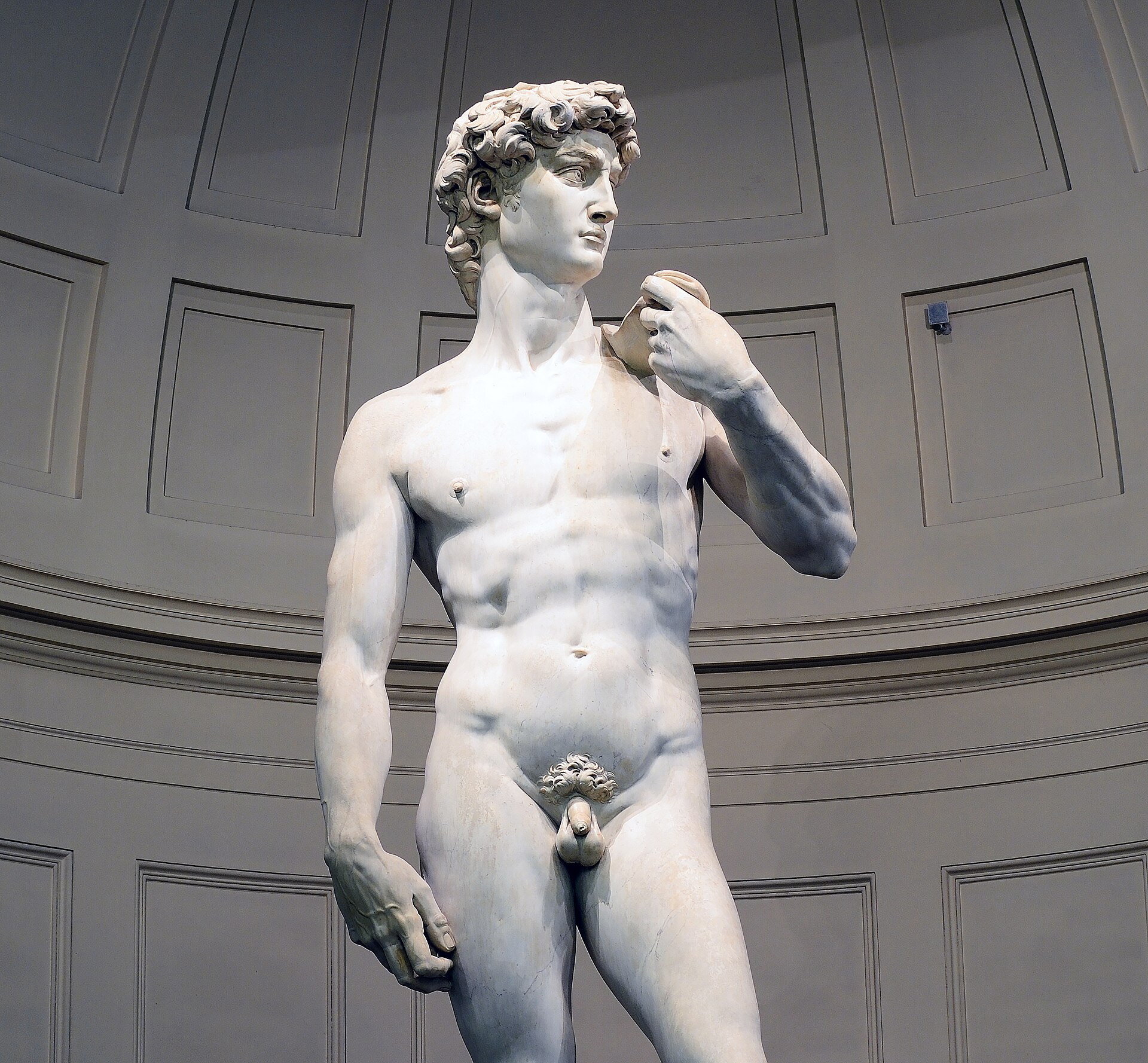
The Accademia is smaller and people sometimes underestimate it, then they round a corner and there is the David, and it lands differently than any photo prepared them for. Admission is around €16 plus a €4 booking fee. Reserve a slot. The walk-up queue is long and the room holding the David has real capacity limits.
Florence Duomo complex
The cathedral itself is free to enter, but the things people actually want, climbing Brunelleschi’s dome, climbing Giotto’s bell tower, the baptistery, the museum, the crypt, are sold together as the Brunelleschi Pass at around €30. It is valid for three calendar days, and you can wander the included sites freely except the dome climb, which requires a fixed date and time slot you choose when booking. Children and students pay around €12.
If you only want one climb, that €30 can feel steep, but there is no cheaper standalone dome ticket, so the pass is effectively mandatory for the cupola. Book the official site, tickets.duomo.firenze.it. For more on planning the city, see things to do in Florence.
Venice: the Doge’s Palace and St Mark’s add-ons
Venice prices things slightly oddly because its civic museums are bundled.
The Doge’s Palace is not sold as a lone ticket. It comes as part of the St Mark’s Square museums combined ticket at around €30 to €35, which also covers the Correr Museum and a couple of others. Book the official site (palazzoducale.visitmuve.it) at least 30 days ahead and you knock about €5 off the gate price, one of the few places where booking early is genuinely cheaper rather than dearer.
St Mark’s Basilica is the add-on trap. Entry to the church is cheap (a few euros, sometimes with a small booking fee), but the good bits each cost extra: the Pala d’Oro altarpiece, the museum and the loggia with the bronze horses, and the treasury are all separate small fees that stack up. None is expensive alone, but four small tickets is a real number, so decide in advance what you actually want to see rather than paying at every doorway. The things to do in Venice guide helps you prioritise.
Milan: the Last Supper is the hardest ticket in Italy
Leonardo’s Last Supper is cheap and nearly impossible, which is a frustrating combination. The ticket is around €15 plus a small booking fee. That is the easy part.
The hard part is that only a few people are admitted every 15 minutes, the room holds the painting in a climate-controlled hush, and tickets release in quarterly blocks roughly three months ahead at noon Italian time. Peak summer dates sell out within hours, sometimes minutes. Set a calendar alarm for the release, have your account ready, and pounce. If you miss the official window, official guided tours (around €25, admission plus a mandatory guide fee) and tour operators hold blocks of tickets, which is often the only realistic way in at short notice. Book lastsupper.shop or cenacolovinciano.org for the official route.
Naples and the bay: Pompeii and Herculaneum
The ancient sites south of Naples are among the best-value tickets in Italy for sheer scale of what you get.
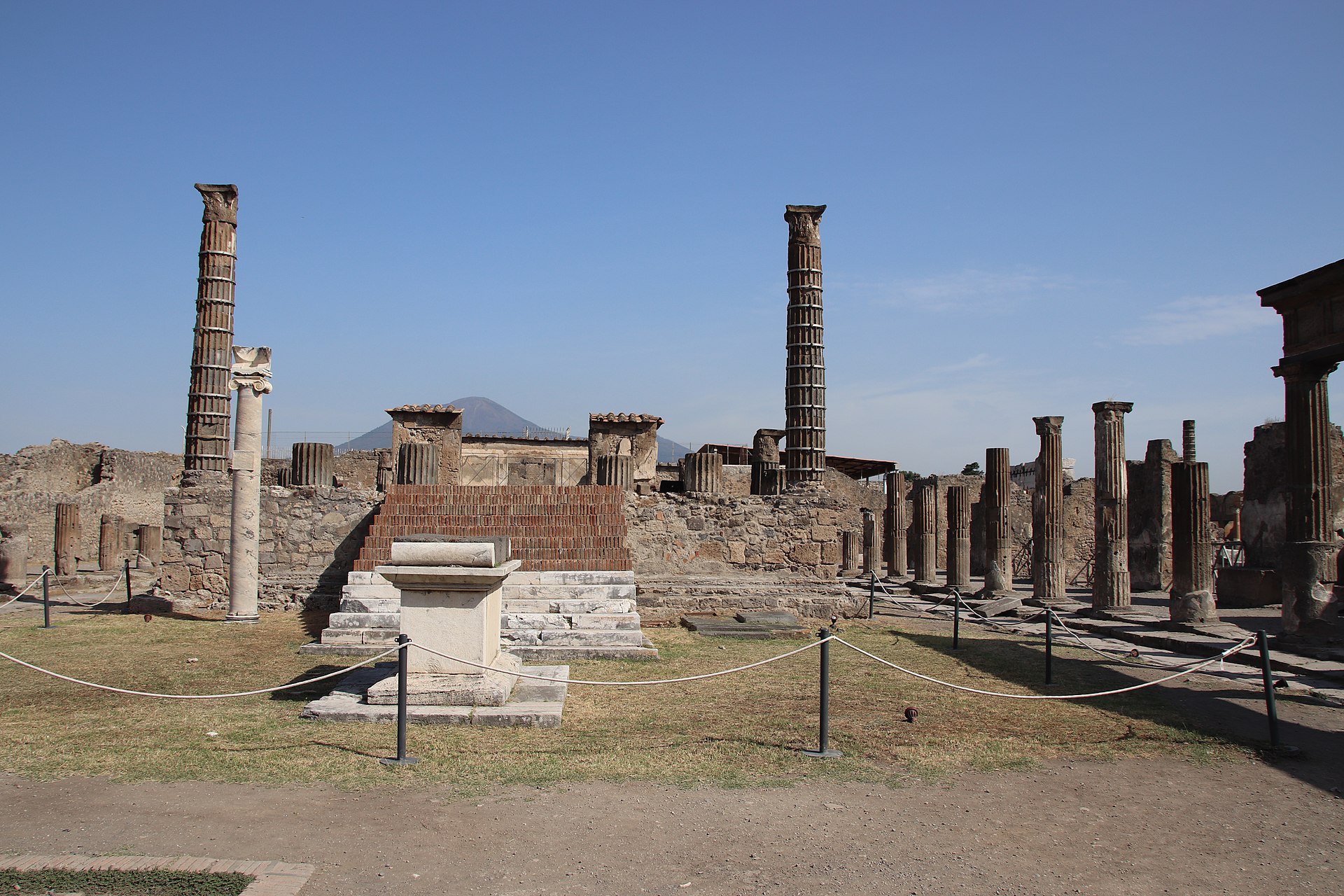
Pompeii is around €18 for standard admission. There is a cheaper “express” route and a pricier “plus” ticket that adds the suburban villas, but €18 is the number for a normal visit. EU citizens 18 to 25 pay roughly €2, under 18s are free, and the first Sunday of the month is free. Tickets are sold through VivaTicket as the official channel. A full day barely covers it, so see the Pompeii tickets guide before you go.
Herculaneum is smaller, better preserved, and around €16. If you want both, a combined Pompeii and Herculaneum ticket runs about €22 and is valid for 48 hours, which is the sensible move if you have two days. Herculaneum is the one I tell people not to skip. It is quieter, the houses still have upper floors and carbonised wooden furniture, and you can see it properly in half a day.
Pisa: the leaning tower
The tower climb is around €20 and entry is timed in small groups every half hour, because there is only so much room on a 12th-century staircase that tilts as you climb. The cathedral, baptistery, and Camposanto each have their own small fees, and a combined ticket bundling the tower with those sites runs about €27. If you only came for the lean, the €20 climb is the one to book. Buy from the official site, opapisa.it.
City passes: do they actually pay off?
This is the question I get most, so let me give you real math instead of marketing.
Roma Pass. Around €38 for 48 hours or €58 for 72 hours. It bundles free entry to your first one or two museums (the 48-hour covers one, the 72-hour covers two) plus unlimited public transport for the duration, with reduced entry after that. The transport is the secret value. If you are riding the metro and buses daily and you front-load two pricey sights, it can edge ahead. But if you are seeing only two or three major attractions, individual tickets usually win. Run the numbers against your actual list before buying.
Firenze Card. Around €85 for 72 hours, covering 70-plus museums with skip-the-line at participating sites. Here is the catch: to break even you need to pack in serious museum mileage. Uffizi (€29) plus Accademia (€16) plus Pitti (€19) plus Boboli (€13) plus Bargello (around €9) gets you to roughly €86, and only then if you would genuinely have visited all of them. For two relaxed days hitting the David and the Uffizi, it does not pay off. For a culture-dense three-day blitz, it can. Be honest about your pace.
Venezia Unica. This is not one fixed pass but a modular card you build, combining vaporetto transport, museum entries, and church access into a custom bundle. The pre-set city pass version runs around €63. Because Venice’s water transport is genuinely expensive (a single vaporetto ride is steep), the value here often comes from the transport, not the museums. If you are island-hopping to Murano and Burano and using boats all day, build a package and it can pay off quickly. If you are mostly walking, buy entries individually.
My blunt verdict: passes reward intensity. The more sights you cram and the more public transport you ride, the better they look. For a moderate, two-or-three-sight pace, individual official tickets almost always cost less. If keeping costs down is the goal, the Italy on a budget guide goes deeper, and the how much does a trip to Italy cost breakdown puts admissions in context.
Free museum days and discounts that lower Italy museum ticket prices
Italy’s state museums run “Domenica al Museo,” free admission on the first Sunday of every month at over 480 state sites, including the Colosseum, the Forum, the Uffizi, and Pompeii. The 2026 dates fall on the first Sunday of each month. It is a real saving, but the crowds are intense and a few sites still require a (free) timed reservation, so it is a trade-off, not a free lunch. I would use it for sprawling outdoor sites like the Forum, not for cramped galleries.
Beyond that, the discounts that matter most:
- Under 18s enter free at virtually all state museums (often still needing a free booking).
- EU citizens aged 18 to 24 (sometimes 25) pay a token reduced rate, frequently just €2 at state sites. Non-EU students do not always qualify, so do not assume.
- Children under 7 are free at the Vatican.
- Note that the famous Italian sights are mostly run by the state or the Church, so EU youth discounts apply widely, but private and civic museums set their own rules.
This is the only place I will dwell on free entry. The full free-activities playbook is the free things to do in Italy guide, which is its own thing.
Booking fees and dodging reseller markups
Two final money lessons, because they are the ones that actually move your spend.
First, the booking fee is real and usually unavoidable on the official sites, but it is small (€2 to €5) and it buys you a timed entry that saves real time. Pay it without complaint. The mistake is not the fee. The mistake is paying the fee and then paying again to a reseller on top.
Second, the resellers. Search any Italian attraction and the top results are often third-party sellers with names engineered to look official. They are not scams in the legal sense; they genuinely deliver a valid ticket. But they bundle in markups of €10 to €30, sometimes more, dressed up as “skip the line” or “fast track” when the underlying ticket is the same timed entry the official site sells for face value plus €5. The official domains are worth memorising: ticketing.colosseo.it, tickets.museivaticani.va, uffizi.it, galleriaaccademiafirenze.it, pompeiisites.org and VivaTicket, palazzoducale.visitmuve.it, lastsupper.shop, tickets.duomo.firenze.it, and opapisa.it.
The one defensible reason to use a reseller is availability. When the official site is sold out for your dates, a reseller’s bundled tour may be your only way in, and then the markup is the price of seeing the thing at all. That is a real situation, especially for the Colosseum arena and the Last Supper. Just go in knowing what you are paying for.
For the wider trip, the Italy travel guide ties admissions together with everything else, and the parent Italy travel budget page is the hub for the rest of your costs.
Final thoughts
Italy’s headline sights are not, on the whole, expensive. The Pantheon at five euros, Pompeii at eighteen, the David at sixteen: these are fair prices for what you get. What costs you money is poor planning, paying a reseller’s markup on top of a fee you would have paid anyway, or showing up without a reservation and either queuing for hours or being turned away.
Book the official sites, budget the small booking fee, set alarms for the two hard tickets (Colosseum arena and the Last Supper), and run the pass math against your real list rather than the brochure. Do that and you will see everything you came for without overpaying for any of it.
Questions travellers ask
How much are tickets to the Colosseum in 2026?
The standard ticket is around €18 and covers the Colosseum plus the Roman Forum and Palatine on a single timed entry. The arena-floor Full Experience ticket is about €24. EU citizens aged 18 to 24 pay roughly €2, and under 18s enter free with a reservation. Book the official site, as morning slots sell out fast.
How much do Vatican Museums tickets cost?
Around €20 at the door, or €25 online (the €20 ticket plus a €5 reservation fee) through the official site tickets.museivaticani.va. The Sistine Chapel is included, not a separate ticket. Reduced tickets for students and children 7 to 18 are about €10. Pay the booking fee; the no-reservation queue in summer is brutal.
Is the Pantheon still free in Rome?
No. The Pantheon began charging in 2022. The ticket is around €5 through 30 June 2026, then €7 from 1 July 2026. EU citizens 18 to 24 pay about €2, under 18s are free, and it is free for everyone on the first Sunday of the month, when you collect a free ticket on site rather than booking online.
Is the Roma Pass worth it?
Only if you cram. The Roma Pass (around €38 for 48 hours, €58 for 72 hours) bundles free entry to your first one or two museums plus unlimited public transport. The transport is where the value hides. If you are visiting only two or three major sights, individual tickets usually cost less. Tally your actual itinerary before buying.
How much is the Uffizi Gallery ticket?
The Uffizi is about €25 same-day or €29 booked ahead in high season, because the advance ticket carries the reservation premium. Prices drop in low season and there is an afternoon discount on late tickets. Despite the quirk, book ahead in summer: the €4 premium saves you a very long line in the heat.
Are museums in Italy free on the first Sunday of the month?
Many are. The “Domenica al Museo” scheme gives free admission to over 480 state-run museums and sites on the first Sunday of every month, including the Colosseum, Uffizi, and Pompeii. It is a genuine saving but the crowds are heavy, and some sites still require a free timed reservation, so it works best for large outdoor sites.
How much is the Last Supper ticket in Milan?
Around €15 plus a small booking fee. The challenge is not the price but availability: only a handful of visitors enter every 15 minutes, and tickets release in quarterly blocks about three months ahead at noon Italian time. Peak dates sell out within hours. If you miss the official release, guided tours (around €25) often hold the only remaining slots.
Should I buy tickets from resellers or official sites?
Use the official sites whenever you can. Resellers deliver valid tickets but add markups of €10 to €30, often disguised as “skip the line” when the underlying ticket is the same timed entry. The one good reason to use a reseller is when the official site is sold out for your dates, and then the markup buys you availability you could not get otherwise.