How Much Does a Trip to Italy Cost?
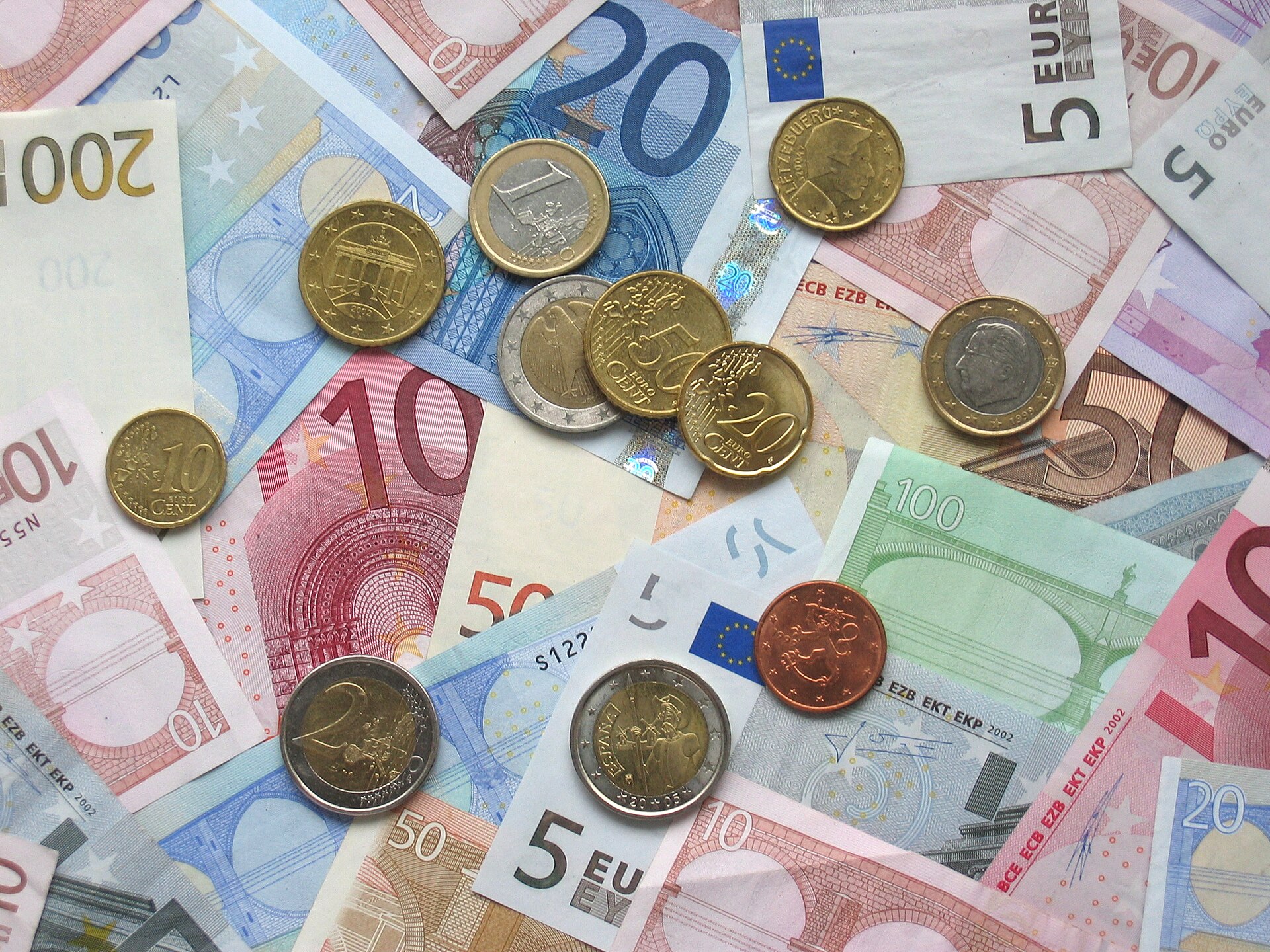
I have planned a lot of Italy trips, for myself and for friends who corner me at dinner with “okay but really, what will this run me?” The honest answer is a range, not a number. But a range you can actually plan around.
So, how much does a trip to Italy cost? For most first-timers, budget on roughly €120-250 per person per day on the ground (around $130-270), plus a transatlantic flight. That lands a typical 7-day trip at about €1,500-3,500 per person all in. Shoestring travelers go lower; comfort seekers go higher. This guide is for anyone who wants the totals before they fall in love with a hotel they can’t afford.
I’m going to total up a whole trip here, top to bottom, at three budget levels. For the deep dives on each category, I’ll point you to the right page as we go. This is the master calculator. Let’s build your number.
The short version: three daily-budget tiers
Before flights, before anything, your trip cost comes down to one decision repeated every day: how comfortable do you want to be? Here are the three tiers I use, with a per-person-per-day number for each. These cover your on-the-ground spend: a bed, food, getting around town, and seeing things. They do not include international flights or the big intercity train hops, which I add separately below.
| Category (per person/day) | Shoestring | Mid-range | Comfortable to luxury |
|---|---|---|---|
| Accommodation (share of room) | €25-40 | €60-100 | €150-300+ |
| Food & drink | €25-40 | €55-90 | €110-200+ |
| Local transport | €5-10 | €8-15 | €15-40 (taxis) |
| Attractions & tickets | €5-15 | €15-30 | €30-70+ |
| Daily extras (water, coffee, gelato, tax) | €8-15 | €12-25 | €25-50 |
| Daily total | €70-100 | €150-230 | €280-500+ |
In US dollars as of 2026, that’s roughly $75-110 shoestring, $165-250 mid-range, and $300-550+ at the top, give or take with the exchange rate. These line up with what the data shows: budget travelers in Italy average around €79 a day, mid-range around €200, and luxury north of €500.
A few honest notes on the tiers. Shoestring means hostels or the cheapest private rooms, markets and pizza al taglio, walking everywhere, and mostly free or cheap sights. Mid-range is the sweet spot most readers actually want: a comfortable three-star or a nice B&B, sit-down dinners, the occasional taxi, and paid attractions without flinching. The top tier is four- and five-star hotels, real restaurants, private transfers, and skip-the-line everything. You can mix tiers day to day, and most people do.
What most first-timers actually spend
Here is the gap I want to close, because page one tends to dodge it. A lot of guides hand you a tidy “€200 a day” and stop, then quietly leave out the flight and never multiply it by the length of your trip. That’s not a budget. That’s a teaser.
In my experience, the typical first-time American couple lands in the mid-range tier but drifts upward, because Italy is seductive and you only go once (you think). They book a few standout dinners, take a Vatican tour, add a wine tasting in Tuscany, and pay for taxis when their feet give out. Realistically that’s about €180-260 per person per day on the ground, plus flights.
For a 7-day trip, that’s the difference between the brochure number and the credit-card statement. I’d rather you plan for the statement. If you want to actively pull that number down, that’s a whole craft of its own, and I’ve put it all in the Italy on a budget guide. For the big-picture framing of every cost category, the Italy travel budget pillar is your home base.
International flights: the biggest single line item
For most overseas visitors, the flight is the largest single cost of the whole trip, and it swings wildly. As of 2026, round-trip economy from the US to Italy generally runs about $600-900 in shoulder season and $700-1,400 in peak summer, with January and deep winter dipping lower. I’ve seen deals to Rome and Milan in the $400-500 range pop up for off-peak dates booked early, so flexibility pays.
A few things move this number. Rome Fiumicino and Milan are usually the cheapest gateways; flying into a smaller airport or the south often costs more. Summer and the Christmas-New Year window are the expensive peaks. Booking two to four months out tends to hit the sweet spot for value.
One planning note: don’t anchor your whole budget to the rock-bottom fare you saw once. Budget the realistic shoulder-season figure and treat a cheap fare as a bonus. From within Europe or the UK, of course, your “flight” might be a €40 low-cost hop, which changes the math entirely.
Accommodation: where your budget actually goes
After flights, your bed is usually the second-biggest cost, and it’s the lever you control most. Here’s the 2026 lay of the land per night.
A hostel dorm bed starts around €25-40 in most cities. A private room on Airbnb or a simple guesthouse runs roughly €60-90 a night for two people, which can beat a hostel per person if you’re a couple. A comfortable three-star hotel generally starts around €80-130 a night. Step into four-star and boutique territory and you’re at €150-300+, and genuine luxury or the Amalfi Coast in August can be €400 and up with a straight face.
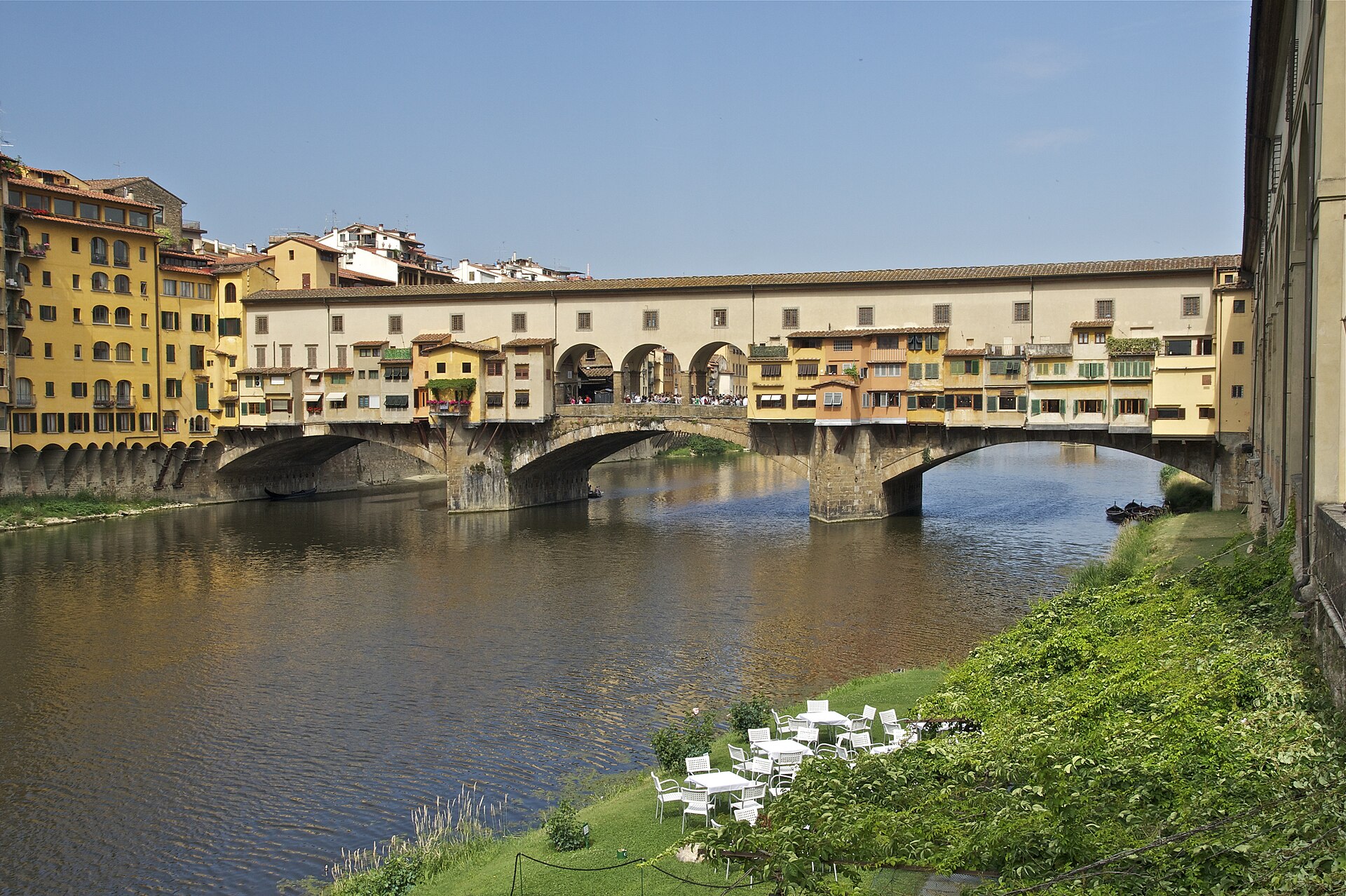
The single biggest variable is location and season, and I mean that literally. The same category of hotel in Venice or on the Amalfi Coast in summer can cost double what it does in a southern city in spring. For the strategy of picking the right base in each city, I lean on the where to stay in Italy guide, and if value is the priority, the most affordable places in Italy will stretch your nights further.
Food: cheaper than you fear, if you’re a little careful
Food in Italy is one of the great bargains of European travel, right up until you sit down somewhere with a photo menu next to the Colosseum. You control this more than almost anything.
Here’s the daily food math. On a tight budget, €25-40 a day covers a cornetto and coffee for breakfast, pizza al taglio or a panino for lunch, and one modest trattoria dinner. Mid-range, plan €55-90 a day for a café breakfast, a proper lunch, and a relaxed dinner with a half-litre of house wine. Go high-end and you’re at €110+ a day, easily more if you’re chasing tasting menus.
A few anchors: a cappuccino at the bar is often under €2, a main dish at a normal restaurant averages around €15, and an aperitivo with snacks runs €8-15. Walk a few streets off the main square and prices drop noticeably. I keep a full breakdown, including the sneaky add-ons, in the cost of food in Italy guide, so I’ll keep it to totals here.
Trains and intercity transport: budget these separately
This is the line people forget, then panic about at the station. Getting between cities is a real cost on top of your daily on-the-ground spend, and it’s almost entirely about how early you book.
On the high-speed Frecciarossa as of 2026, Rome to Florence is a Base fare of around €55 on the day, but advance Economy fares start near €19.90. Rome to Venice is about €99 on the day, or from around €29.90 booked ahead. The pattern is consistent: book the popular routes weeks out and you can pay a third of the walk-up price. Regional trains for shorter hops are cheaper and don’t need advance booking.
Inside cities, single transit tickets run about €1.50-3, and a day pass often pays off if you ride more than twice. A rough planning figure is €5-15 per person per day for local transport, more if you lean on taxis. I won’t go deeper here; the full route-by-route picture lives in the Italy train prices guide, and the bigger picture of moving around the country is in the Italy transportation overview.
Attractions and tickets: the headliners add up
The big-name sights are not where your money disappears, but they’re not free either, and a few cost more than first-timers expect. Here are the current 2026 anchors.
The Colosseum is €18 for standard entry, or €24 for the Full Experience that adds the arena floor, Forum, and Palatine. The Vatican Museums are €20 at the door, about €25 once you add the online booking fee that you’ll almost certainly pay to skip the queue. Florence’s Uffizi runs around €25 in standard high season. Smaller museums tend to land in the €5-15 range.
Two money notes. The first Sunday of many months brings free entry to state museums and sites, including the Colosseum and Uffizi, which is wonderful and also extremely crowded. And plenty of Italy’s best experiences, churches, piazzas, viewpoints, cost nothing at all. I keep the full ticket rundown in the Italy museum ticket prices guide, and a long list of no-cost ideas in what you can see in Italy for free. Budget roughly €15-30 a day here if you’re a keen sightseer.
A worked 7-day sample budget
Let me total a real week. This is one person, mid-range, on a classic Rome-Florence-Venice route, with two intercity trains booked in advance. Flight is a shoulder-season round-trip from the US.
| Category | Mid-range 7-day (per person) |
|---|---|
| International flight (round-trip) | €700 |
| Accommodation (6 nights, share of room) | €480 |
| Food & drink (7 days) | €490 |
| Intercity trains (2 advance fares) | €60 |
| Local transport (7 days) | €70 |
| Attractions & tickets | €140 |
| City tax & daily extras | €120 |
| 7-day total (per person) | ≈ €2,060 (~$2,250) |
So a mid-range solo week comes in around €2,000-2,100 per person including the flight. Strip it back to shoestring, cheaper bed, fewer paid sights, no taxis, and you can land near €1,200-1,400 including a budget flight. Push to comfortable, four-star hotels and real dinners, and you’re easily at €3,500+ per person. That spread is exactly why “how much does a trip to Italy cost” has no single answer. For help shaping the days themselves, the 7-day Italy itinerary pairs well with this budget.
A worked 10-day sample budget
Ten days doesn’t cost proportionally more, because your flight is a fixed cost spread over more days. Here’s the same mid-range traveler, adding the south, with three intercity trains.
| Category | Mid-range 10-day (per person) |
|---|---|
| International flight (round-trip) | €700 |
| Accommodation (9 nights) | €720 |
| Food & drink (10 days) | €700 |
| Intercity trains (3 advance fares) | €110 |
| Local transport (10 days) | €110 |
| Attractions & tickets | €210 |
| City tax & daily extras | €180 |
| 10-day total (per person) | ≈ €2,730 (~$2,980) |
A mid-range ten-day trip lands near €2,700-2,800 per person with the flight. Notice the daily on-the-ground cost is the same as the 7-day trip; only the fixed flight dilutes. Shoestring trims this toward €1,800; comfortable pushes past €4,500. If you’re still deciding on length, how many days in Italy is worth a read, and the 10-day Italy itinerary maps a route that fits this budget.
Solo vs couple vs family-of-four math
This is where a per-person number stops telling the truth, because some costs split and some don’t.
Solo travelers pay the worst per-person rate on lodging, since you eat the whole room. Everything else is straightforward. Expect your daily on-the-ground cost to sit at the top of each tier’s range.
Couples get the best deal in Italy. You split the room and the occasional taxi, so your per-person accommodation roughly halves versus solo. A mid-range couple’s 7-day trip often totals around €3,500-4,000 for the two of you including flights, which is meaningfully less than double the solo number.
A family of four is its own animal. The good news: kids’ attraction tickets are often discounted or free under certain ages, and you can sometimes share larger rooms or apartments. The catch: many Italian hotel rooms simply won’t sleep four, so you’re booking a larger apartment, a family room, or two rooms, which is where the cost lands. Budget roughly €70-130 a day for the whole family on intercity and local transport combined, and figure food at something like €50-80 per adult and €30-45 per child per day. A mid-range 7-day family trip, flights included, commonly runs around €7,000-10,000+ total depending heavily on lodging. Apartments with a kitchen are the single best money move here. The Italy family vacation guide digs into the logistics.
How season and region change the number
Two dials move your whole budget, and they move it a lot.
Season is the bigger one. High summer and the Christmas-New-Year window are peak for flights and hotels alike. Spring and fall shoulder seasons can cut accommodation noticeably and make flights cheaper, for arguably nicer weather. Winter outside the holidays is the cheapest stretch by far. If your dates are flexible, this is the easiest way to drop a tier without changing how you travel. The best time to visit Italy guide breaks down the trade-offs month by month.
Region is the second dial. Venice, the Amalfi Coast, Lake Como, and central Milan run 20-30% higher than the national average at every tier, driven mostly by hotel prices. Rome and Florence sit in the middle. The south, Sicily, Puglia, Calabria, is where your money stretches furthest: better hotels, cheaper food, smaller crowds. A week split between Puglia and Sicily can cost dramatically less than the same week on the Amalfi Coast. If value is the goal, point your route south.
The hidden and forgotten costs
These are the small charges that surprise first-timers and quietly inflate the total. None is huge alone; together they add up to a real line item, so I budget for them.
- City tourist tax (tassa di soggiorno). Charged per person, per night, usually paid at your accommodation. As of 2026, Rome runs roughly €4-10 a night depending on hotel class, Florence around €6-8, and Venice €1-4.50, with most cities capping it after several nights and exempting young children. Over a week across a couple of cities, that’s easily €40-70 a person.
- Venice access fee. Separate from the tourist tax, on selected peak days in 2026 day-trippers entering Venice’s historic centre between 8:30 and 16:00 pay €5 if booked at least four days ahead, or €10 closer in. Overnight guests are exempt but still pay the city tax.
- The coperto. A per-person cover charge at many sit-down restaurants, typically €2-3, covering bread and the table. It’s normal and legal; just expect it on the bill. Tipping is a separate, smaller matter, and the tipping in Italy guide explains how little is actually expected.
- Water. Restaurants don’t bring free tap water by default; bottled water is usually €2-3. Carry a refillable bottle and use the public fountains, especially in Rome.
- ZTL fines. If you rent a car, Italy’s limited-traffic zones (ZTL) in city centres are a notorious trap. Drive into one unknowingly and the ticket arrives by mail months later. Park outside the centre and walk.
- Baggage and seat fees. On intra-Europe budget flights, checked bags and seat selection can cost more than the fare. Factor it if you’re hopping between countries.
For a tool that pulls all of this into a single plan, the Italy planning walkthrough is built for exactly this, and the broad complete Italy travel guide covers the rest of the practical groundwork.
Final thoughts
The cost to travel Italy isn’t one figure, it’s a set of choices, and now you can see exactly which choices move your number. Pick your tier, fold in a realistic flight, multiply by your nights, and add the small stuff most people forget. Do that and the credit-card statement won’t surprise you. For everything that goes into the plan beyond money, start at the full Italy planning guide and build from there.
Questions travellers ask
How much does a trip to Italy cost for 7 days?
For one person, a mid-range 7-day trip including a transatlantic flight typically runs about €2,000-2,100 (roughly $2,200-2,300). Shoestring travelers can do it nearer €1,200-1,400 with a budget flight, while comfortable to luxury trips climb to €3,500 and well beyond, depending mostly on hotels and dining.
Is Italy expensive to visit in 2026?
Italy sits in the middle for Western Europe: pricier than Spain or Portugal, generally cheaper than France, Switzerland, or the Nordics. Daily on-the-ground costs run about €70-100 shoestring, €150-230 mid-range, and €280-500+ at the top. Your biggest swings are the flight, your hotel tier, and your region: pricey spots like Venice cost far more than value-rich southern Italy.
How much spending money do I need per day in Italy?
For food, local transport, sights, and incidentals, not counting your hotel or intercity trains, budget roughly €40-60 a day shoestring, €70-110 mid-range, and €150+ if you dine and shop freely. Add your accommodation separately. Carry a little cash for the coperto, small cafés, and tips, but cards work nearly everywhere.
How much does a family of four spend in Italy?
A mid-range 7-day trip for a family of four, flights included, commonly totals around €7,000-10,000+, with lodging the deciding factor. Booking an apartment with a kitchen instead of two hotel rooms is the single biggest saver. Kids’ tickets are often discounted or free under certain ages, which helps offset attraction costs.
What is the cheapest time to visit Italy?
Deep winter outside the Christmas-New-Year holidays, roughly January into early March, is the cheapest stretch for both flights and hotels, with January often the lowest airfare month. The spring and fall shoulder seasons cost more than winter but less than summer, and many travelers find them the best overall value for weather, prices, and smaller crowds.
Are flights or hotels the bigger cost for an Italy trip?
For most overseas visitors, the international flight is the single largest line item, often $600-1,400 round-trip. Over a full trip, though, accommodation usually overtakes it as the biggest total once you add up every night. Both are the levers worth optimizing first; food, local transport, and tickets matter far less to your bottom line.
How much do trains cost between Italian cities?
High-speed fares depend almost entirely on booking timing. As of 2026, Rome to Florence is around €55 walk-up but from about €19.90 booked ahead, and Rome to Venice is roughly €99 walk-up or from €29.90 in advance. Regional trains for short hops are cheaper and need no advance booking. See the train prices guide for route-by-route detail.
Can you travel Italy on $100 a day?
On the ground, yes, if you’re disciplined: hostel or shared budget room, market and street food, walking, and mostly free sights can keep you near €70-100 a day. That excludes your international flight and big intercity trains, which you budget on top. It’s tighter in Venice and the Amalfi Coast and easier in the south.