Italy on a Budget: How to Save Without Ruining the Trip
The thing nobody tells you is that the cheap version of Italy and the good version of Italy are often the same trip. A market lunch eaten on a church step beats most €60 dinners I’ve had near a famous fountain.
So here’s the direct answer. Yes, you can do Italy on a budget and still have the trip you actually came for. Plan around the south and the shoulder season, sleep in apartments and B&Bs, eat where the menus aren’t translated into five languages, and you can travel well on roughly €70-100 a day per person, sometimes less.
This is for the traveler who wants real meals, real cities, and real rest, just without paying the lazy-tourist premium. If you want the full math on flights and trip totals, I keep that on the Italy travel budget guide. This page is the playbook for spending less.
Splurge vs save: where your money actually goes
Before tactics, look at where the leaks are. Most people don’t blow their budget on one big thing. They bleed it in €15 increments: the coffee sitting down, the taxi that should’ve been a bus, the dinner ten meters from the Pantheon.
Here’s the swap table I’d hand a friend. The “save” column isn’t suffering. It’s just the version locals would recognize.
| Category | The splurge version | The save version | Rough daily gap (per person) |
|---|---|---|---|
| Where you sleep | 4-star in the historic center | B&B, apartment, or agriturismo a few minutes out | €60-120 |
| Lunch | Sit-down near the big sight | Tavola calda, bakery, or market picnic | €15-25 |
| Coffee | Cappuccino at a table on the piazza | Espresso standing at the bar | €3-6 |
| City transport | Taxis everywhere | Regional trains, metro, your feet | €20-40 |
| Sightseeing | Every paid attraction, skip-line add-ons | Churches, neighborhoods, one or two paid sights | €15-30 |
| Water | Bottled, from kiosks | Refillable bottle, public fountains | €3-5 |
Add those up and a couple can easily swing €150-200 a day between the two versions without the cheaper one feeling cheap. For exactly how those numbers roll up into a full trip total, see how much a trip to Italy costs. I’m not going to rebuild that calculator here.
When to go to do Italy cheaply
Timing is the single biggest lever you have, bigger than any individual money-saving trick. Same hotel, same city, different month, wildly different price.
Avoid July and August. It’s hot, it’s crowded, and prices peak right when the experience dips. A three-star room in Rome that runs around €150 in August can climb in the pleasant autumn weeks because that’s when smart travelers show up, and flights from the US that hit roughly $1,500 in May can fall toward $700 by January.
The sweet spots are the shoulder seasons: late April through May, and September into mid-October. You get warm-enough weather, open everything, and fares and rooms that haven’t gone vertical. For a fuller breakdown of weather-versus-crowds by month, I lean on the best time to visit Italy guide.
If you can stomach a cooler trip, low season (November through March, minus the Christmas-New Year spike) is the cheapest of all. Cities like Rome, Florence, and Bologna are wonderful in a wool coat, and you’ll bargain rooms that would never budge in June.
One booking habit that pays off all year: travel midweek where you can. Tuesday-through-Thursday flights are usually cheaper than the Friday-to-Monday window, and the same flexibility helps with intercity train fares too.
Accommodation strategy: the biggest single saving
Lodging is where most budgets live or die, so it’s where I’d spend the most planning effort. The good news is Italy gives you more affordable-but-pleasant options than almost anywhere in Western Europe.
Trade location for value, deliberately. A room in the dead center of Florence or Rome carries a tax you pay purely for the address. Step out to a well-connected neighborhood and the price drops fast. In Rome, look at Testaccio, San Lorenzo, or Flaminio. Near Florence, outlying Tuscan towns like Prato, Pistoia, or Montecatini Terme are cheaper and worth a wander on their own. You’re a short bus or train ride from the sights and you’re sleeping where actual Italians live.
Rent an apartment. You give up daily housekeeping, but you gain space and, crucially, a kitchen. Even cooking breakfast and one simple dinner a few nights cuts your food bill hard. For families and groups the math gets even better.
B&Bs and agriturismi punch above their price. A family-run B&B often beats a chain hotel for warmth and breakfast, for less. In the countryside, an agriturismo (a working farm that takes guests) can be a genuine highlight, with home cooking that costs a fraction of a restaurant. These are exactly the kinds of stays I point people toward in the where to stay in Italy guide.
Convents and monasteries. This one surprises people. Many religious houses rent simple, spotless rooms to any traveler, often with private bathrooms now, at honest prices. There’s sometimes a curfew and the vibe is calm rather than party, which, frankly, is the point.
Two booking moves that save real money: ask about a discount for longer stays (many places quietly offer it for several nights or a week), and skip the “breakfast included” rate when you can. Hotels often pad €15-20 per person onto that, when the same money buys two days of standing-at-the-bar coffee and a cornetto.

Eating cheap but well in Italy
This is the part where budget travel in Italy stops feeling like a sacrifice. Some of the best food in the country is also the cheapest, and the expensive stuff is frequently the worst.
Move lunch to the center of your day. The midday meal is where deals live. Many trattorias and osterias post a menù del giorno or fixed-price lunch with a pasta, a main, water, and often wine for under €15. Eat your big meal then, and a market picnic or street food covers the evening.
Embrace the tavola calda and the bakery. A tavola calda is a hot-food counter where you point at trays of pasta, roast vegetables, and meat and pay by weight. The bakery (forno) sells pizza al taglio by the slice, panini, and arancini for a few euros. This is how you eat for €5-8 and walk away full.
Build a picnic. Hit a Conad, Coop, or, better, a real produce market. Bread, cheese, a tomato that tastes like something, prosciutto, fruit. Eat it in a park or on a piazza. It’s cheaper than any restaurant and often the meal you’ll remember.
Two coffee rules that quietly save euros: drink it standing at the bar, where an espresso runs about €1-1.50 versus a multiple of that to sit, and don’t be shy with the public fountains. Italy’s tap and fountain water is safe and good; carry a refillable bottle and stop buying €2 plastic ones.
I’m keeping food prices to a summary here on purpose. If you want the line-by-line on what meals, coffee, and groceries actually cost, that lives in the cost of food in Italy guide. And before you fret over the bill, read tipping in Italy, because the service charge isn’t what Americans assume.
Getting around Italy for less
Transport is the category where a little knowledge beats a lot of money, especially on trains.
Take regional trains when time allows. Italy’s slick high-speed Frecce and Italo trains are a joy, but you pay for the speed. The slower regional and intercity trains often cost less than half. Milan to Bologna runs about €60 and an hour on the fast train, or roughly half that and one extra hour on intercity. On many short hops the time difference is minor and the savings real. Here’s the honest trade-off: regionals are a flat fare you can buy day-of, while high-speed fares are cheap only if you book early. I unpack both in the regional trains guide.
Book high-speed tickets early or not at all. Advance “Super Economy” and “Economy” fares on Trenitalia can be a fraction of the walk-up price, sometimes 50-70% off if you book weeks out. But they’re date- and train-specific and non-refundable, so only lock them in once your plans are firm.
Use city transit passes, not taxis. A single ride in Rome is around €1.50 (good for 100 minutes of buses and trams, one metro entry), and a 24-hour pass runs about €7, paying for itself in a few rides. In Venice, the vaporetto stings at nearly €10 a ride, so a daily ACTV pass around €25 is the move if you’re hopping boats. Buy the pass, validate it, and stop hailing cabs.
Walk. Italian historic centers are small and made for feet. Half the “sights” are the streets between the sights. Walking is free and it’s where the trip actually happens.
For getting between cities cheaply, long-distance buses (Flixbus and friends) undercut trains on many routes, and budget airlines into secondary airports (Bergamo for Milan, Pisa or Bologna for Florence) can beat the train on long hauls.
Sightseeing for less without missing the point
You do not need to pay your way through Italy. A huge share of what makes it extraordinary is free or nearly so.
Time the free days. On the first Sunday of each month, state museums and sites open free, including heavy hitters like the Colosseum and Roman Forum in Rome and the Uffizi and Accademia in Florence. Plan one city’s big-ticket sights around that Sunday and you save real money. Kids under 18 are generally free at state sites year-round, which makes family museum days cheap.
Churches are the free museum. Italy’s churches hold Caravaggios, Berninis, and Giottos behind no ticket booth at all. Rome alone could fill days this way. Dress modestly (shoulders and knees covered) and you walk into masterpieces for nothing.
Take a free walking tour. Most cities have tip-based walking tours run by genuinely good guides. You decide what it was worth at the end.
Do the math on city passes. A Roma Pass or similar can save money and time if, and only if, you’ll actually hit enough included sights. Add it up first; for some itineraries it’s a saver, for others it’s a pass you barely use. For where the real savings are, I keep running lists at free things to do in Italy and the actual numbers at Italy museum ticket prices.
A 7-day budget Italy itinerary with rough costs
Here’s a route I’d genuinely run on a tight budget. It leans south, where your money stretches furthest, and it’s built around nights and short transfers rather than racing everywhere. This is a real budget Italy itinerary, not a list of cities.
The plan: Rome (3 nights), Naples (3 nights), with a day trip to the Amalfi area by public transport. Two bases, minimal moving, maximum value.
- Days 1-3, Rome. Stay in Testaccio or San Lorenzo, not beside the Forum. Free churches, the Pantheon (free), walking the centro, one paid sight, and the Vatican on a budget. Eat tavola calda lunches and trattoria dinners away from the monuments.
- Day 4, train south. Rome to Naples on a regional or a cheaply-booked-ahead high-speed ticket. Check in, eat your first proper Neapolitan pizza for under €8.
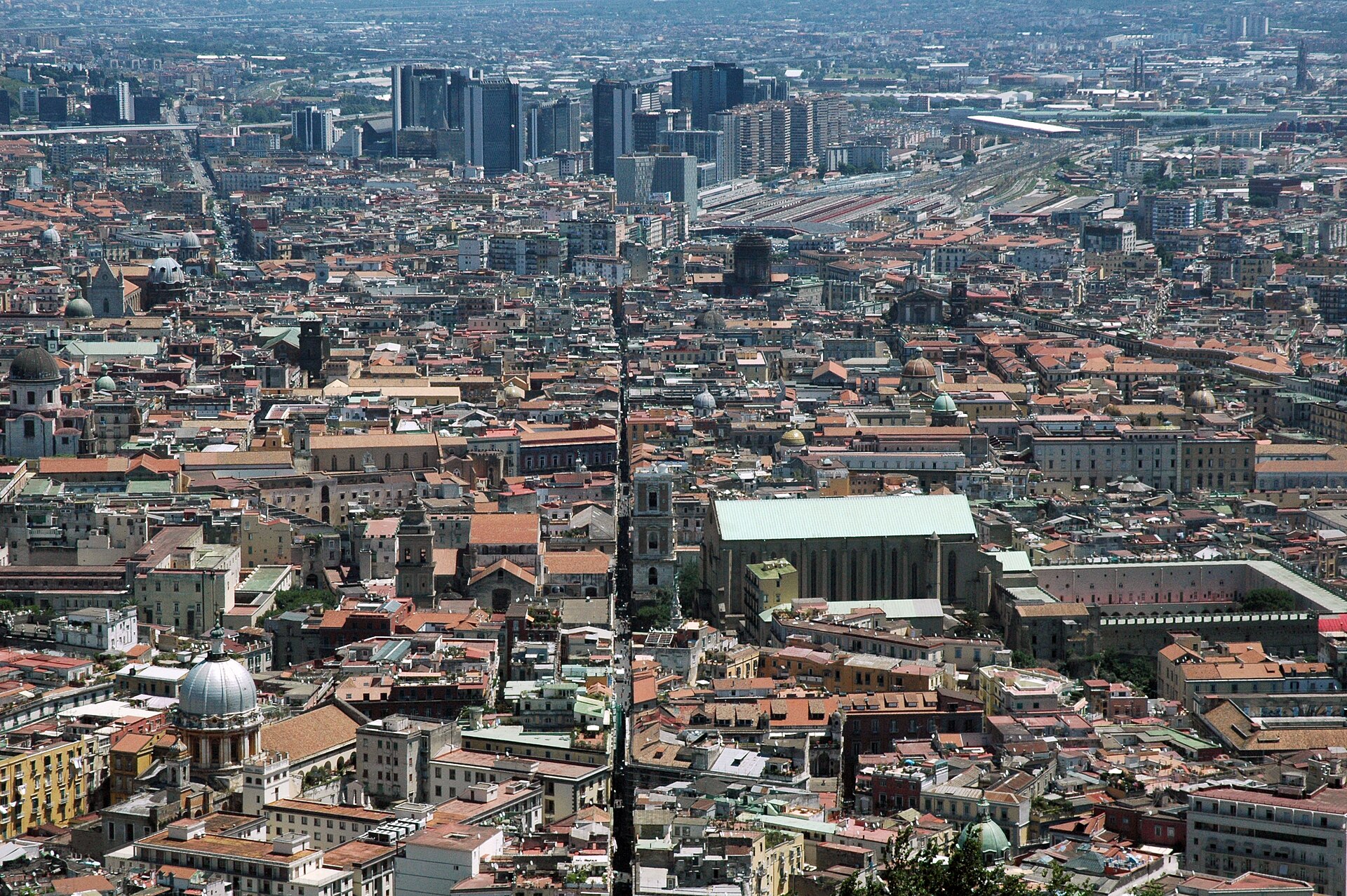
- Days 4-6, Naples. The cheapest great food city in Italy, hands down. Street food, the archaeological museum, the lungomare, and a Circumvesuviana day trip toward the coast or Pompeii. I keep a deeper plan in the Naples travel guide.
- Day 7, slow exit. Market breakfast, one last sfogliatella, train back or fly out from Naples.
Rough per-person running costs for the week, shoulder season, traveling lean (excluding international flights):
| Item | Estimate (per person, 7 days) |
|---|---|
| Accommodation (B&B/apartment, shared) | €350-560 |
| Food (markets, tavola calda, trattoria dinners) | €175-280 |
| Local transport + passes | €40-70 |
| Rome-Naples train (booked ahead) | €15-30 |
| Sights (timed to free days where possible) | €40-80 |
| Rough total | €620-1,020 |
That’s a complete, well-fed week for roughly €90-145 a day, and the lower end is very doable if you cook a little and time the free Sunday. For a slower-paced or northern version of a week, compare the 7-day Italy itinerary, and for more wallet-friendly bases, affordable places in Italy.
The biggest money mistakes in Italy
Most overspending isn’t bad luck. It’s a handful of avoidable traps. Dodge these and you’ve funded several extra dinners. I keep a fuller list in what to avoid on an Italy trip, but here are the ones that cost the most.
Always decline DCC. When a card machine or ATM offers to charge you “in your home currency,” say no and choose euros. “Dynamic currency conversion” bakes in a fat markup. Pay in euros, every time, and let your own bank do the exchange.
Don’t drive into a ZTL. Italian city centers have camera-enforced limited-traffic zones (zone a traffico limitato). Drive in without a permit and a ticket arrives by mail months later, often more than €80, sometimes several if you crossed multiple times. If you rent a car, park outside the center and walk or take transit in.
Avoid the restaurant ten steps from the famous thing. Menus in five languages, a host waving you in, photos of the food: these are the tells of a tourist trap charging more for less. Walk a few blocks off the main square and prices drop while quality climbs.
Understand the coperto, and don’t fight it. Most sit-down places charge a small per-person cover (coperto), usually €1.50-3, and bread isn’t free. That’s normal and legal; it’s not a scam. Just know it’s there so the bill doesn’t surprise you, and skip the bread basket if you don’t want it.
Skip taxis you don’t need. Airport-to-center is the classic overpay. Rome, Milan, Pisa, Bologna and more connect to the center by train or bus for a fraction of cab fare, often just as fast. Use them. A few more habits worth internalizing are over in our hard-won Italy advice.
Budget by region: the south is cheaper
If you take one strategic idea from this page, take this: where you go in Italy changes the price more than how you travel. The north and the marquee cities cost more for the same thing.
A budget traveler can get by on roughly €60-80 a day in the south, while the same style of trip in Venice or Florence runs closer to €100-140. Southern Italy and smaller towns regularly come in 30-40% cheaper than Rome, Florence, and Venice across food, rooms, and daily costs.
So bias your itinerary south and sideways. Some swaps I stand by:
- Naples, Palermo, Lecce, Matera, Tropea over the priciest northern centers. World-class food and coastline at a fraction of the cost.
- Umbria instead of Tuscany. Same hill towns and rolling green, fewer crowds, gentler prices.
- The Cilento coast or Puglia’s Gargano instead of the Amalfi Coast for seaside without the surcharge.
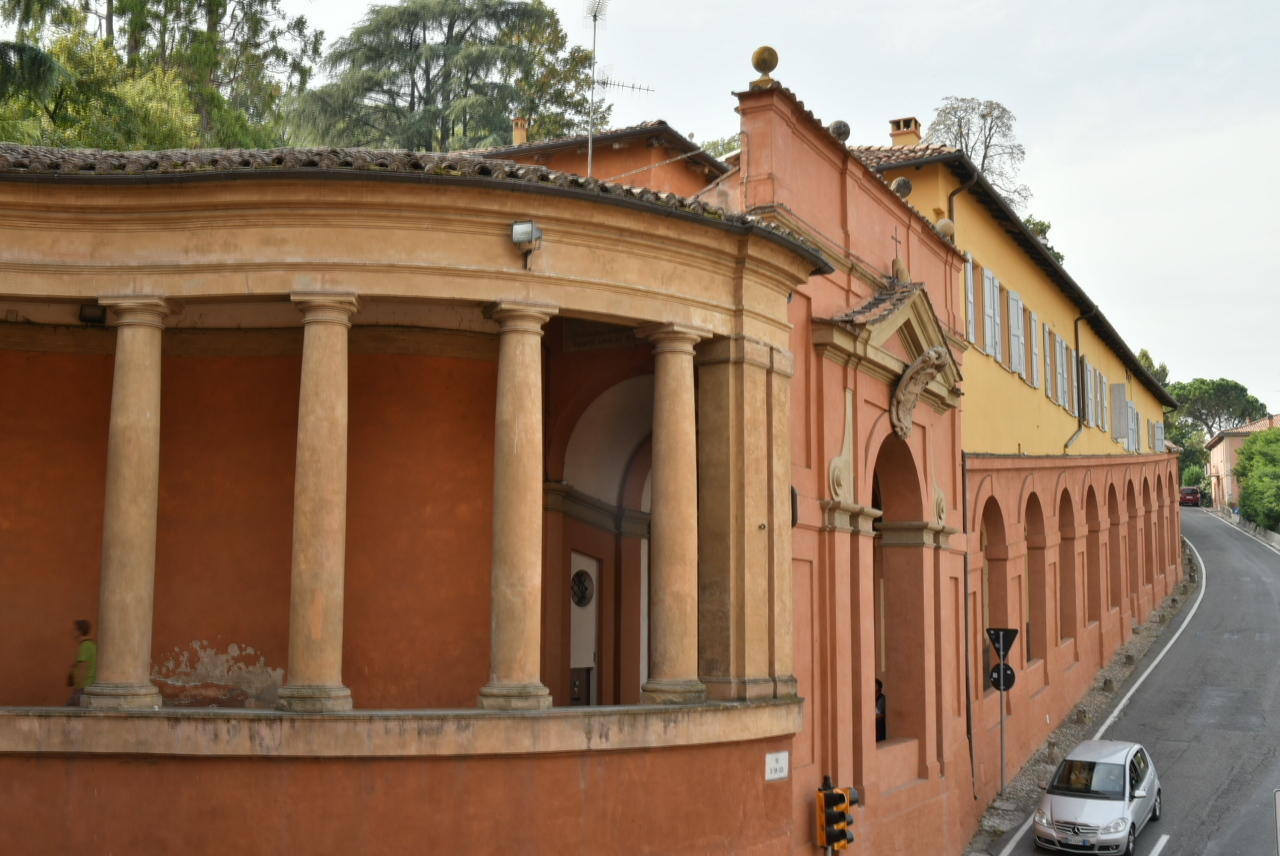
- Bologna as a city break. Glorious food, those endless porticoes, and notably cheaper than Florence an hour away.
A heads-up on one northern cost: Venice now charges a day-tripper access fee on peak dates. For 2026 it applies across about 60 days from April through July, at €5 if you book at least four days ahead or €10 if you book later, for visitors entering the old city between 8:30 and 16:00. Overnight guests are exempt but still must register. It’s small, but it’s one more reason to either stay over or weigh whether Venice belongs in a truly tight budget.
Final thoughts
Italy doesn’t punish you for spending less. It quietly rewards it. The market lunch, the standing espresso, the B&B run by someone who actually wants you there, the regional train rattling past olive groves, these aren’t the consolation-prize version of the trip. They’re the real one. Spend where it counts, skip the lazy-tourist tax, point yourself south, and you’ll come home having seen more of Italy, not less. For the big-picture numbers behind all of it, the Italy travel budget guide and the main Italy travel guide are where I’d start your planning.
Questions travellers ask
How much money do I need per day in Italy on a budget?
Plan on roughly €60-80 a day per person in the south and smaller towns, or €100-140 in Venice and Florence, covering a simple room, market and tavola calda food, local transport, and a sight or two. Eat lunch as your main meal, cook occasionally, and walk, and you’ll land at the lower end.
What is the cheapest part of Italy to visit?
The south, comfortably. Campania, Puglia, Basilicata, Sicily, and Calabria run 30-40% cheaper than the north across food, lodging, and daily spending. Naples, Palermo, Lecce, Matera, and Tropea give you world-class food, culture, and coastline for far less than Rome or the Amalfi Coast. Bologna is the value pick up north.
When is the cheapest time to travel to Italy?
Low season, November through March, excluding the Christmas-New Year spike, is cheapest for both flights and rooms. If you want better weather without peak prices, the shoulder seasons, late April-May and September-mid-October, are the sweet spot: warm enough, everything open, and fares well below the July-August peak.
How can I save money on food in Italy?
Make lunch your big meal and hunt the fixed-price menù del giorno for under €15. Otherwise eat from bakeries, tavola calda counters, and markets, and build picnics. Drink coffee standing at the bar, refill a water bottle at public fountains, and an apartment kitchen lets you cook a couple of cheap, lovely meals.
Are trains or buses cheaper in Italy?
Long-distance buses like Flixbus are usually the cheapest option city to city. For trains, slower regional and intercity services often cost less than half of high-speed, and high-speed itself is cheap only if you book advance fares weeks out. For short hops, a flat-fare regional ticket you buy day-of is both simple and inexpensive.
Is it worth getting a city pass or Roma Pass?
Only if you’ll actually use it. Add up the included sights and transport you genuinely plan to hit versus the pass price. For a packed museum-and-transit itinerary it can save money and skip lines; for a slower trip built around free churches and walking, you’ll likely spend less buying the odd single ticket.
How do I avoid tourist traps and overpaying in Italy?
Walk a few blocks off the famous square before you eat, and steer clear of places with five-language menus and a host luring you in. Always pay card transactions in euros, never your home currency. Don’t drive into a ZTL zone, and take the airport train or bus instead of a taxi.