Cash, Cards and Tipping in Italy
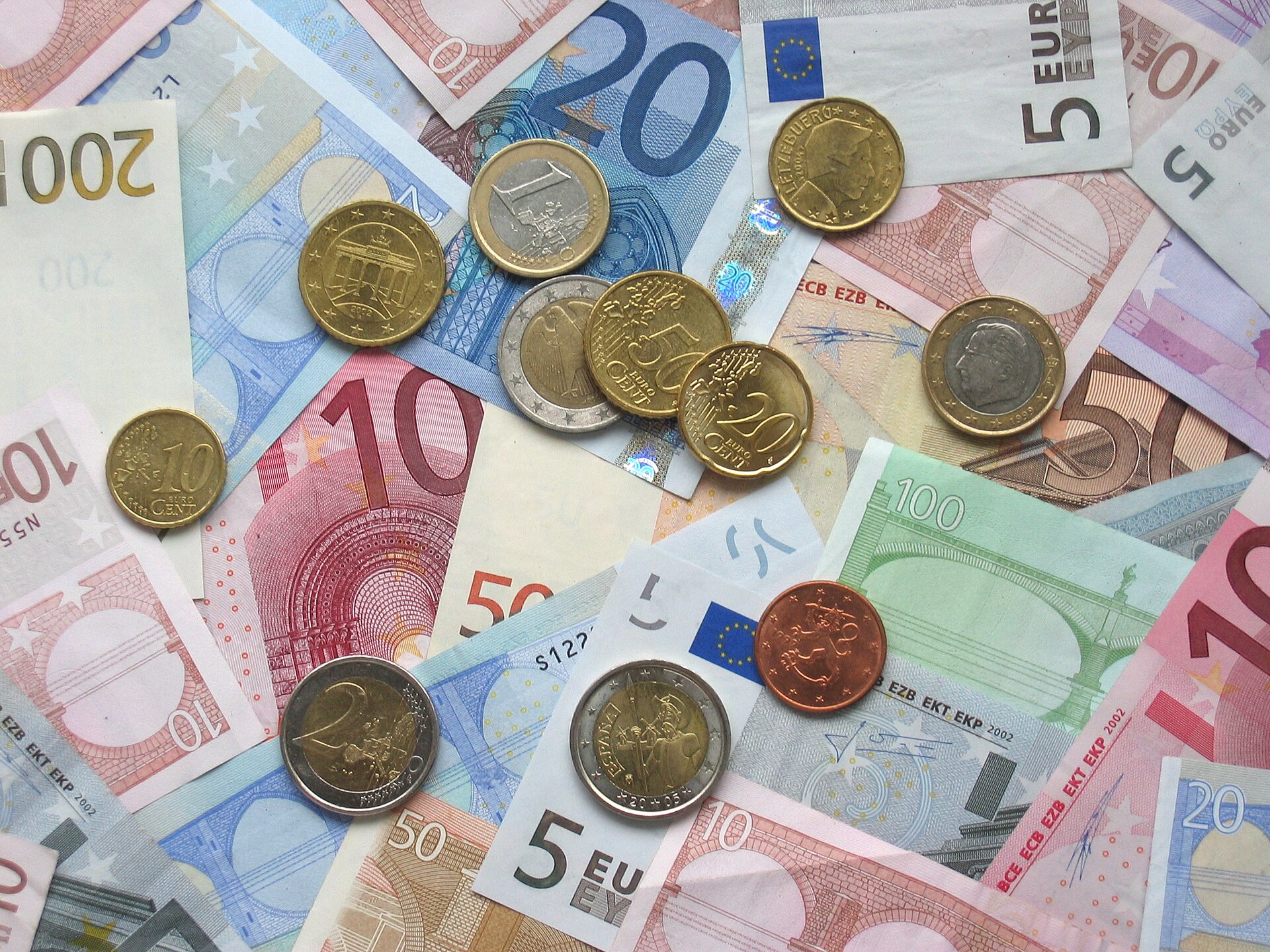
You can spot an American at an Italian table from across the room. Not by the volume, not by the sneakers. By the moment the bill lands and a small panic crosses their face: how much do I leave?
Here is the short version. Tipping in Italy is not expected the way it is back home. Servers earn a real wage, so a tip is a small thank-you for service you genuinely loved, not a tax you owe to avoid being rude. Round up, leave a couple of euros if you want, and move on. Nobody is chasing you out the door.
That is the honest answer, and most of page one will not give it to you straight. This guide is for the traveler who wants to do the right thing, not overpay out of guilt, and not get fleeced at an ATM either. I will cover the etiquette and the mechanics: who to tip and how much, what those mysterious line items on your receipt mean, and the whole cash-versus-card question that trips people up more than the tipping does.
If you are still mapping out the bigger picture, my Italy travel budget guide is the parent of all of this, and the how much does a trip to Italy cost breakdown handles the actual numbers. This page is purely about money manners and money logistics.
The quick-reference table: who to tip and how much
Pin this. It is the whole article in one screen, and it is the thing you will actually want when the moment comes.
| Situation | Do you tip? | What to leave |
|---|---|---|
| Sit-down restaurant | Optional, not expected | Round up, or a few euros; up to ~10% for excellent service or fine dining |
| Espresso at the bar (standing) | No | Nothing, or drop the small coins in the change tray |
| Cafe with table service | Optional | Leave the coins from your change, up to a euro or two |
| Pizzeria / casual trattoria | Optional | Round up the bill |
| Bartender (drinks only) | No | Round up to the nearest euro at most |
| Taxi | No | Round up to the next euro or two |
| Hotel housekeeping | Nice gesture | ~€1 per night, left in the room |
| Porter / bellhop | Yes if they carry bags | ~€1 per bag |
| Hotel concierge | Only for real help | €5-€10 depending on the favor |
| Tour guide (group) | Yes, this one matters | ~€5 per person half-day, ~€10 full-day |
| Tour guide (private) | Yes | Around 10% of the tour cost |
| Hairdresser / spa | Optional | Round up, or ~10% if you loved it |
A couple of these deserve more than a row in a table, so let me break them down.
Is tipping in Italy actually expected? (No, and here is why)
This is the part page one keeps fumbling. You will read a dozen articles that say “leave 10 to 15% at restaurants,” and that advice is quietly wrong. It is American tipping math wearing an Italian costume.
Here is the real situation. Restaurant staff in Italy are paid a salary. It is not a generous one, and I am not pretending the industry is flush with cash, but it is a genuine wage rather than the tip-dependent model you find in the United States, where servers can be paid a couple of dollars an hour and live or die by gratuity. Because of that, the entire social contract is different. A tip in Italy is a bonus. It signals “that was lovely.” It is not the difference between your server making rent and not.
So what do Italians actually do? Most of the time, nothing dramatic. They round the bill up to a convenient number, or they leave the loose coins from their change on the little tray. If the meal was special, the wine was poured with care, and the evening stretched long, they might round up more generously, maybe to 10%. At a proper fine-dining restaurant where the service is a performance in itself, 10% is a warm and appropriate gesture. But the default, the everyday, is far closer to zero than to fifteen.
I want to be blunt about this because over-tipping out of nervousness is its own small problem. When American visitors leave 20% at a neighborhood trattoria, it is generous, sure, but it also slowly trains restaurants in tourist zones to expect it, and it makes the next traveler feel cheap for behaving like a local. You are not being kind by mimicking your home country’s habits. You are being kind by reading the room. The room says: relax.
If you want the broader version of this “act like you have been here before” advice, I keep a running list in Italy travel tips and a companion piece on the Italy travel mistakes that mark you as a first-timer.
Coperto and servizio: the two charges everyone misreads
Before you can decide what to tip, you have to read your receipt correctly, and Italian receipts have two words that confuse almost every visitor. They are not the same thing, and neither one is a tip.
Coperto is the cover charge. It is a small per-person fee, usually somewhere around €1.50 to €3, sometimes a bit more in pricier places. It covers your place at the table, the bread, the olives or grissini that appear unasked, the linens, the act of sitting down and being served. You will see it listed on the menu, often in tiny print at the bottom, as “coperto €X” or “pane e coperto.” It is completely standard across most of Italy. It is not a scam, it is not optional, and it is not a tip. It goes to the house, not your server. (One quirk: the region of Lazio, which includes Rome, technically banned the classic coperto years ago, so Roman restaurants often fold the same cost into a bread charge or a slightly higher menu price instead. The money still gets collected, just under a different name.)
Servizio is a service charge, and this is the one that changes your tipping decision entirely. If your bill says servizio incluso (“service included”), the tip is already baked in, typically around 10 to 15%. You do not add anything on top. Doing so would mean tipping twice. Some restaurants, especially in heavy tourist areas or for large groups, add servizio as a separate line; read for it. If you see it, you are done, just pay the total.
So the order of operations is simple. Look at the bottom of the bill. Is there a “servizio” line? If yes, that is your gratuity, leave nothing more. If there is only coperto, that is just the cover charge, and any tip is purely your call, usually a small round-up. The mistake to avoid is treating coperto as proof you have already tipped (you have not, it is a separate thing) or treating servizio as if it were just another cover charge (it is the tip, do not stack on it).

Tipping by situation, the parts that are not obvious
The table covers the gist, but a few categories trip people up, so here is the longer take.
Restaurants
I have said it, but I will say it once more because it is the question everyone arrives with. No service charge on the bill? Round up or leave a few euros if the meal earned it. Service charge already there? Pay the total and walk out happy. For a memorable dinner where you want to say grazie with money, up to 10% is plenty, and it lands as genuinely generous rather than expected. Leave it in cash on the table or in the little bill folder, even if you paid the food by card. More on that quirk below.
Bars and cafes
This one is gloriously simple. If you stand at the counter and knock back your espresso like a local, you tip nothing. The change tray near the register sometimes catches a spare ten or twenty cents, and that is the entire extent of bar tipping in Italy. If you sit at a table and get waiter service, the prices are usually higher anyway (that is the famous tavolo vs banco price gap), and leaving the coins from your change is a nice touch but not required. Bartenders mixing cocktails do not expect a per-drink tip; rounding up the tab is the most anyone does.
Taxis
You do not tip taxi drivers in Italy. Full stop. What people do is round up to a convenient number, so an €18.50 fare becomes €19 or €20 and you tell the driver to keep the change. If a driver hauls your heavy suitcases out of the trunk and up a curb, a euro or two is a kind acknowledgment, but it is not owed. Ride-hail apps where you have already paid in-app need nothing extra. If you are budgeting transport, the bigger cost decisions live in Italy train prices, since trains, not taxis, will move you between cities.
Hotels
Hotels are where small tips feel most natural to American travelers, and Italy mostly agrees. Housekeeping is the one I would actually encourage: around a euro per night, left in the room, ideally each day so it reaches whoever cleaned that day rather than just the last person on rotation. Housekeepers are frequently the lowest-paid people on staff, and a few coins genuinely register. A porter who carries your bags gets about a euro per bag. A concierge who books you a hard-to-get table or solves a real problem deserves €5 to €10; a concierge who points at a map on the wall deserves your thanks and nothing more.
Tour guides
Here is the one firm exception to all the relaxed shrugging above. Tip your tour guide. For many guides, especially on free or tip-based walking tours, that money is the income, not a top-up. For a group tour, think around €5 per person for a half-day and €10 for a full day. For a private guide who spent the day just with you and your family, roughly 10% of what you paid is the right neighborhood. This is the place where under-tipping actually does sting someone, so do not skimp. If you are still planning which guided experiences are worth it, my first time in Italy itinerary flags where a guide earns their fee versus where you are fine on your own.
Hairdressers, spas, and personal services
Optional, leaning toward “not really.” Italians mostly do not tip the salon. If you are thrilled with a cut or a treatment, rounding up or leaving around 10% is a warm gesture, but the staff will not blink if you simply pay and say grazie.
Cash or card in Italy: the question that has actually flipped
Now to the second half, the logistics. And this is where a lot of older advice is simply out of date.
For years the refrain was “cash is king in Italy, carry plenty, small places won’t take cards.” You will still find that line all over the internet. As of 2026, it is mostly wrong, or at least badly oversold. Italian merchants are legally required to accept electronic payments, including cards, and have been for a while now. The country went through a real shift: contactless took over, and today the large majority of in-person card payments are tap-and-go. Visa and Mastercard are accepted essentially everywhere that takes cards, which is almost everywhere. You can tap your phone for a gelato in most cities without a second thought.
So has cash become useless? No, and this is the nuance both the old “cash only” crowd and the breezy “just use your phone” crowd get wrong. Cash still matters in specific, predictable situations:
- Tiny family-run trattorias and rural spots, where the owner would simply rather take cash even though they technically can take a card.
- Markets and street vendors, the produce stall, the guy selling roasted chestnuts, the tiny stand at a festival.
- Public restrooms and small coin-operated things, which often want exact coins.
- Tips, because, as covered, you leave those in cash even when you pay the bill by card.
- The occasional “card machine is down” moment, which happens more in small towns than in Rome or Milan.
So the right answer to cash or card Italy is not one or the other. It is both, with a heavy lean toward card for almost everything and a modest cash cushion for the gaps. Carry a card for daily spending and keep enough euros on you to cover a small meal, a few tips, and a market morning. I will put a number on “enough” in a moment.
For where these payment choices intersect with what you are actually buying, the cost of food in Italy guide breaks down the meals, and Italy on a budget covers stretching every euro further.
ATMs (bancomat) and the fees nobody warns you about
The ATM is called a bancomat in Italy, and you will see the word everywhere. It is also, confusingly, the word for the domestic debit network, but for your purposes “bancomat” means cash machine.
Getting euros from a bancomat is the cheapest, simplest way to get local cash, far better than exchanging money before you fly or at an airport kiosk. A few things to know so you do not lose money on the way:
Use a bank’s own ATM, not a standalone machine. The bank-branded bancomats attached to actual banks tend to charge little or nothing in access fees to foreign cards, and some charge nothing at all. The independent, brightly colored standalone machines you see near tourist sites, the ones often branded Euronet, are a different animal. They love to tack on fees and they are the most aggressive about the exchange-rate trick I am about to describe. If you have a choice, walk to a real bank.
Withdrawal limits run roughly €250 to €1,000 per transaction, depending on the machine and your own card’s daily cap. That is plenty for a cash cushion. Pull out a larger amount less often rather than small amounts repeatedly, since any flat per-withdrawal fee hurts less when spread over more cash.
Check what your home bank charges. Many banks add a foreign-transaction or international-ATM fee, often in the 1-3% range, on top of anything the Italian machine charges. A few travel-friendly debit cards refund or waive these. Worth knowing before you go, not after.
For the full pre-trip logistics, including what to actually pack in your wallet, see my Italy travel checklist.
Dynamic currency conversion: always, always pay in euros
This is the single most expensive mistake travelers make with money in Italy, and it is entirely avoidable. It costs you nothing to dodge and real money to fall for.
At an ATM, and at many card terminals in shops and restaurants, the machine will ask if you would like to be charged in your home currency (dollars, pounds) or in euros. It often phrases it temptingly: “Would you like to pay in USD?” with a helpful-looking exchange rate displayed, as if it is doing you a favor by showing you the price in money you understand.
It is not doing you a favor. This is dynamic currency conversion (DCC), and the exchange rate the machine invents is reliably worse than the one your own bank or card network would use, sometimes by several percent. The merchant or the ATM operator pockets the spread. Choosing your home currency feels safer because the number is familiar, and that is precisely the psychological trick.
The rule is simple and never changes: always choose to be charged in euros. Decline the conversion. On a screen the option might read “Continue without conversion,” “Pay in EUR,” or “Decline.” Pick it every time, at the bancomat or when tapping a card to pay for dinner. Let your own bank do the conversion. You will almost always come out ahead. Page one mentions DCC if you are lucky; I am telling you it is the one money habit that matters most.
How much cash to carry in Italy
People want a number, so here is mine, with the caveat that everyone’s spending differs. For a typical day of sightseeing, eating, and small purchases, somewhere around €50 to €100 in cash per person is a comfortable cushion. That covers tips, a casual lunch or coffee, a market purchase, a public toilet, and the odd cash-only moment, while you put the bigger stuff (hotels, sit-down dinners, museum tickets, train tickets) on a card.
A few practical notes on the cash itself:
- Break your big bills. ATMs love to dispense €50 notes, and small vendors hate them. Buy something at a supermarket or a busy cafe early on to crack a large note into usable change.
- Keep coins handy. Italy has €1 and €2 coins, not notes, and they pile up fast. They are exactly what you want for tips, restrooms, and small buys, so do not treat them as junk to be dumped. That handful of one- and two-euro coins is your tipping kit.
- Do not over-withdraw at the end. Leftover euro coins cannot usually be changed back home, only notes can, so wind down your cash as your trip ends.
Resist the old instinct to carry a fat wad “just in case.” You do not need it, and it makes the next section harder.
Staying safe with your money
Italy is a safe country for travelers in the ways that count. Violent crime against tourists is rare. The real and persistent threat to your wallet is much more mundane: pickpockets, who are skilled, organized in places, and drawn to exactly the spots you will be standing in, crowded buses and metros, train stations, and the dense scrums around major sights in Rome, Florence, Naples, and Venice.
The defenses are simple and boring, which is why they work:
- Carry less cash precisely because pickpockets exist. This is the flip side of the cash-cushion advice. A modest amount of cash plus a card means a bad moment costs you little. A bulging wallet means it ruins your trip.
- Front pockets, zipped bags, hand on the bag in crowds. A back-pocket wallet on a packed Rome metro is a donation. A cross-body bag worn in front, zipped, is hard to work.
- Split your money. Keep a card and some cash on you, and a backup card and emergency cash somewhere separate, your hotel safe or a different bag. If one stash vanishes, you are not stranded.
- Be alert during the classic distractions. The “helpful” stranger, the petition clipboard shoved at your chest, the sudden jostle as you board a train. These are often misdirection.
None of this should make you paranoid. It should make you a slightly harder target than the person next to you, which is the entire game.
The contactless reality, and a word on Amex
Let me close the logistics loop with the thing that surprises returning visitors most: how thoroughly tap-to-pay has won. Contactless is the default in Italy now, not a novelty. The cap for a contactless payment without entering a PIN sits at €50 (above that, you tap and then punch in your PIN), the same limit across the Eurozone. Phone wallets, Apple Pay and Google Wallet, work widely. For most of a normal trip you can genuinely tap your way through the day.
Two caveats. First, American Express acceptance is patchy. Plenty of hotels, nicer restaurants, and big shops take it, but countless small cafes, trattorias, and vendors do not, because Amex charges merchants higher fees. If Amex is your only card, bring a Visa or Mastercard as backup, or you will hit walls. Second, carry a physical card, not just your phone. Phones die, and a rare older terminal still wants the actual card. Redundancy is the whole philosophy here: a Visa or Mastercard, a backup card, your phone wallet, and a small fold of euros. With that quartet you are ready for essentially anything Italy’s checkout counters throw at you.
For the wider “set yourself up before you go” picture, including timing your trip well, see when is the best time to visit Italy and the all-purpose Italy travel guide. If Rome is on the itinerary and you want to know where your cash and cards will actually go, the Rome food guide is a good companion to this one.
Final thoughts
Money in Italy is simpler than the anxiety around it suggests. Tipping is light: round up, leave a little when something delighted you, always look after your tour guide, and let go of the home-country reflex to leave 20% everywhere. Payment is mostly card now, with a small cushion of cash for the trattoria, the market, and the tip tray. And the one rule that saves you actual money, every time, is to pay in euros and never let a machine “helpfully” convert for you.
Do that, keep your wallet in your front pocket on the metro, and you will spend your euros the way they are meant to be spent: on the food, the wine, and the slow afternoons. For the bigger budget picture, head back to the Italy travel budget hub.
Questions travellers ask
Do you tip in Italy at restaurants?
Not in the obligatory way you do in the US. Restaurant staff earn a wage, so a tip is a bonus, not a requirement. Check the bill first: if it says “servizio incluso,” the service charge is already included and you add nothing. Otherwise, rounding up or leaving a few euros is plenty, and up to 10% for truly excellent service.
What is coperto and is it a tip?
Coperto is a per-person cover charge, usually around €1.50 to €3, that pays for your seat, the bread, and the table setting. It is not a tip and it does not go to your server, it goes to the restaurant. It is standard across most of Italy. Seeing coperto on your bill does not mean you have tipped; it is a separate, normal charge.
Should I use cash or card in Italy?
Both, leaning card. Cards, especially contactless Visa and Mastercard, work almost everywhere, and merchants are legally required to accept electronic payment. Keep some cash for small trattorias, markets, public toilets, and tips. Around €50 to €100 per person per day in cash is a comfortable cushion while you put bigger costs on a card.
Is Italy cash only?
No, that is outdated advice. Italy moved heavily to cards and contactless, and businesses must legally accept electronic payments. You will still meet the occasional small vendor or rural spot that prefers cash, and tips are paid in cash, so carry a modest amount. But the days of needing a thick stack of euros to function are over.
Should I pay in euros or my home currency when the card machine asks?
Always euros. When an ATM or terminal offers to charge you in dollars or pounds, that is dynamic currency conversion, and the rate it uses is worse than your own bank’s, often by several percent. Decline the conversion and choose “pay in EUR” every single time, whether withdrawing cash or paying a bill.
Do you tip taxi drivers in Italy?
No, tipping taxi drivers is not expected. The custom is to round up to a convenient number, so an €18.50 fare becomes €19 or €20 and you let the driver keep the change. If they help with heavy luggage, a euro or two is a kind gesture, but it is never required, and ride-hail trips paid in the app need nothing extra.
How much should I tip a tour guide in Italy?
This is the one tip that genuinely matters. For group tours, around €5 per person for a half-day and €10 for a full day is the norm. For a private guide, roughly 10% of the tour cost is appropriate. On free or tip-based walking tours, the tip is essentially the guide’s pay, so be generous rather than minimal here.
Are American Express cards accepted in Italy?
Sometimes, but not reliably. Hotels, upscale restaurants, and large stores often take Amex, but many small cafes, trattorias, and vendors do not because of higher merchant fees. Never travel with Amex as your only card. Bring a Visa or Mastercard as your main card, and you will avoid being stuck at a counter that cannot process the payment.