What to Eat in Italy by Region
Ask ten Italians what the country’s best dish is and you’ll get eleven answers, most of them about their grandmother. There is no single Italian cuisine. There are twenty regional ones, drawn along old borders, mountain ranges, and what the land happened to grow.
So what to eat in Italy depends entirely on where you are standing. In the north you eat butter, rice, and polenta; in the center, bread and grilled meat; in the south, olive oil, tomatoes, and sea. Order the wrong region’s dish in the wrong place and you’ll get a competent version of something nobody around you actually eats. This guide is the big-picture map: one or two signature plates per region, top to bottom, so you order like you mean it.
It’s for the traveler who wants to eat regionally rather than generically, and who’d rather have the local thing than the famous thing.
The quick map: what to eat in Italy, region by region
Here’s the whole country on one plate. Skim it, find where you’re headed, then read the region’s section below for the how and when.
| Region | Signature dish | What it is | Best eaten in |
|---|---|---|---|
| Piedmont | Agnolotti del plin / tajarin with truffle | Tiny stuffed pasta; thin egg noodles shaved with white truffle in autumn | Alba, Turin, the Langhe |
| Lombardy | Risotto alla milanese | Saffron risotto, gold and creamy, often beside ossobuco | Milan |
| Veneto | Bigoli in salsa / cicchetti | Thick whole-wheat pasta in onion-anchovy sauce; Venetian bar snacks | Venice, Treviso, Verona |
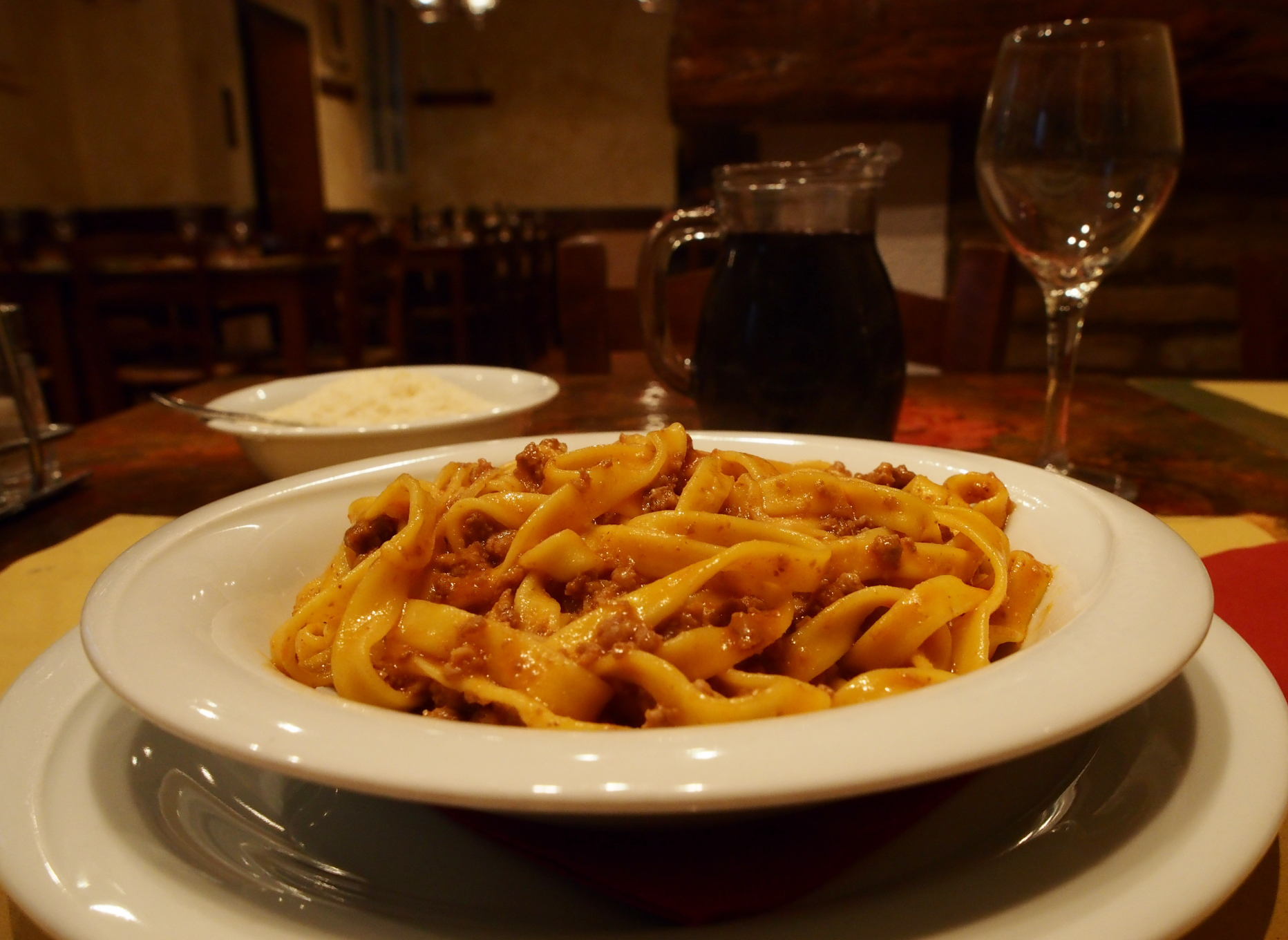
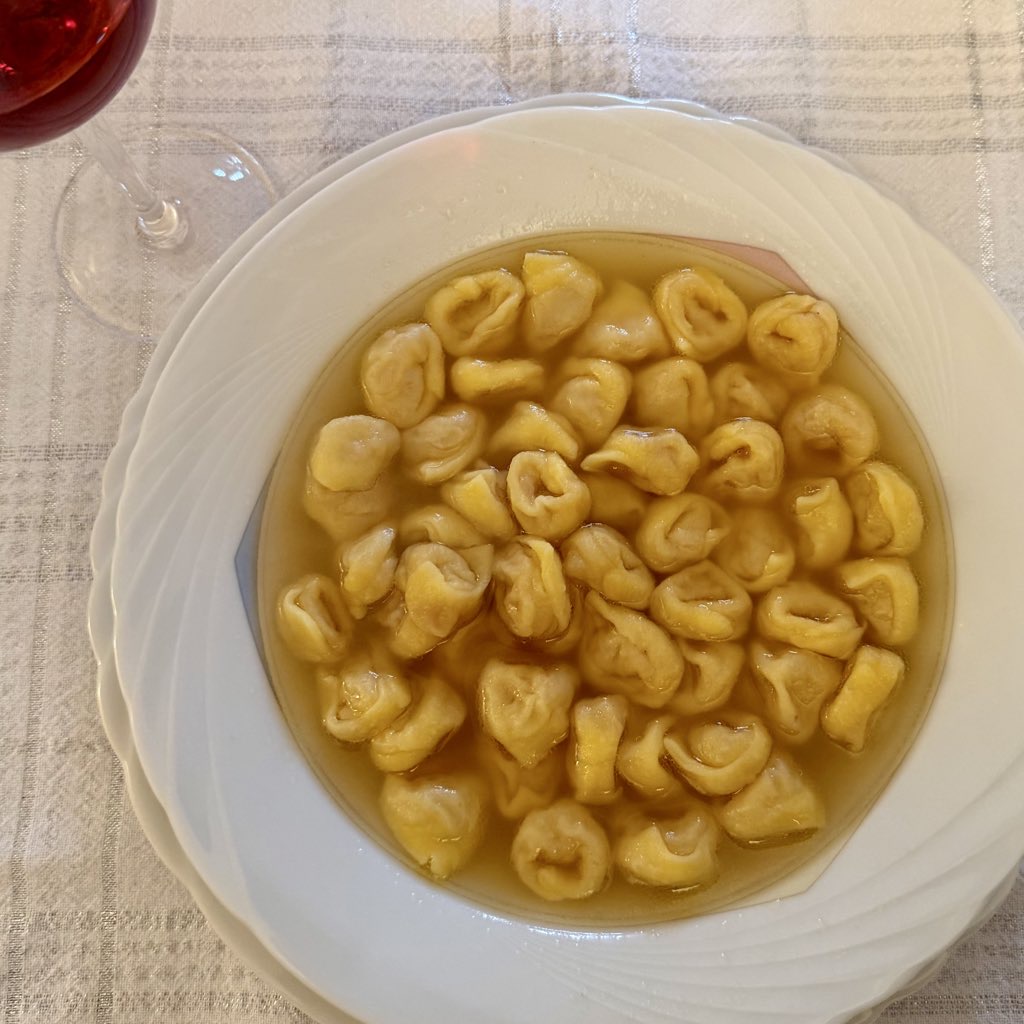
| Emilia-Romagna | Tagliatelle al ragù & tortellini | Fresh egg pasta with slow meat sauce; navel-shaped stuffed pasta in broth | Bologna, Modena, Parma |
| Liguria | Trofie al pesto | Short twisted pasta with basil-pine nut-garlic pesto | Genoa, Cinque Terre |
| Tuscany | Bistecca alla fiorentina | Thick T-bone, charred outside, blue-rare inside, by weight | Florence, Chianti |
| Lazio | Cacio e pepe, carbonara, amatriciana | Roman pasta built on pecorino, guanciale, and pepper | Rome |
| Campania | Pizza napoletana | Soft, blistered Neapolitan pizza; mozzarella di bufala | Naples, Amalfi Coast |
| Puglia | Orecchiette con cime di rapa | Ear-shaped pasta with turnip greens, garlic, anchovy, chili | Bari, Salento |
| Sicily | Pasta alla Norma & arancini | Eggplant-tomato pasta with ricotta salata; fried stuffed rice balls | Palermo, Catania |
| Sardinia | Culurgiones & porceddu | Potato-pecorino dumplings; slow-roast suckling pig | Cagliari, Ogliastra |
A note before we drive south: Italians eat in courses, not in piles. A typical sit-down meal runs antipasto, then primo (pasta, risotto, or soup), then secondo (meat or fish) with a contorno (side) ordered separately, then dolce and coffee. You do not have to do all of it. But the pasta is almost never the main event the way it is abroad. It’s the warm-up.
Northern Italy: butter, rice, and the cooking of the mountains
The north feels closer to France and Austria than to the postcard Italy of red sauce and sunshine. Rivers and dairy country mean butter over olive oil, rice over pasta in many places, and rich braises built for cold winters. This is where a lot of travelers are surprised, because it looks nothing like the Italian food they grew up with.
Piedmont: truffles, tajarin, and Barolo country
Piedmont, tucked under the Alps in the northwest, is quietly one of the best eating regions in the whole country, and it knows it. The signature plates are tajarin, ribbons of egg pasta cut thread-thin (some cooks use forty egg yolks to a kilo of flour), and agnolotti del plin, little meat-stuffed pockets pinched shut by hand — plin means “the pinch.”
In autumn both get shaved with the white truffle of Alba, the most expensive ingredient in Italian cooking. Truffle season runs roughly October through December, peaking in November, and the Alba truffle fair draws buyers from all over. Outside those months you’ll still eat beautifully here: vitello tonnato (cold sliced veal under a tuna-caper sauce, far better than it sounds), brasato al Barolo (beef braised in the local wine), and bagna càuda, a warm garlic-anchovy dip for vegetables in the cold months. The wine is the other reason to come — Barolo and Barbaresco are made just south of Alba. I’ve sent more than one friend here instead of Tuscany. If you’re choosing wine routes, the Italy wine regions guide breaks down where to point the car.
Lombardy: Milan’s saffron risotto and butter cooking
Milan eats rich and golden. Risotto alla milanese is the dish — short-grain rice cooked slowly with broth, butter, and saffron until it’s loose and creamy, traditionally served beside ossobuco, a cross-cut veal shank braised until the marrow gives way. It’s pure cold-weather food and a world away from anything you’ll eat south of here.
Milan also runs on aperitivo: an early-evening drink (a Campari or Aperol spritz, usually) that comes with snacks, and in some bars a whole spread. Done right it bridges the long gap before a late Italian dinner. Pair the city’s food with the practical side in the Milan and northern Italy travel guide.
Veneto: Venetian cicchetti, risotto, and not much pasta
Venice and its region surprise people because pasta isn’t really the point. The lagoon means seafood and rice: risi e bisi (rice and peas, soupy and spring-fresh), squid-ink risotto, and baccalà mantecato, salt cod whipped with oil into a soft cloud you spread on grilled polenta. The local pasta, when it appears, is bigoli, a thick whole-wheat strand served in a melting onion-and-anchovy sauce.
The way to eat in Venice is cicchetti — small bar snacks eaten standing up with a small glass of wine called an ombra. Crostini, fried things, a single grilled sardine, half a meatball. You hop from bar to bar. It’s cheaper and far more fun than a sit-down tourist menu, and it’s one of the best defenses against the city’s worst restaurants. Tiramisù, by the way, was born up here in Treviso. More on the city and its hinterland in the Venice and Veneto travel guide.
Emilia-Romagna: the pantry of Italy
If you only eat seriously in one region, make it this one. Emilia-Romagna, the broad belt across the north-center, produces Parmigiano-Reggiano, prosciutto di Parma, mortadella (the original “bologna”), and the real aceto balsamico tradizionale of Modena, aged for years and used by the drop. It also invented a frankly absurd number of the pastas the world loves.
Bologna is the capital, nicknamed la grassa — “the fat one.” Eat tagliatelle al ragù here and you’ll understand why “spaghetti bolognese” is a foreign invention: the real thing is a slow, meaty sauce clinging to fresh egg ribbons, never spaghetti. Then tortellini in brodo, tiny navel-shaped parcels floating in clear capon broth, the local Christmas dish but eaten year-round. Lasagne alla bolognese, with green spinach pasta and béchamel, was perfected here too. This region is the strongest argument I know for organizing a trip around the table — and if that’s your plan, the Italy food and wine travel pillar is the place to start.
Liguria: pesto, focaccia, and the Riviera
The thin coastal arc around Genoa gave the world pesto. Pesto alla genovese is raw basil pounded with pine nuts, garlic, Parmigiano, pecorino, and Ligurian olive oil, traditionally tossed with trofie (short hand-rolled twists) or trenette, often with green beans and potato cooked in the same pot. Eat it once at the source and the jarred stuff at home dies for you a little.
Liguria also bakes the country’s best focaccia — dimpled, salty, glossy with oil, eaten at any hour, even dunked in morning coffee in Genoa. On the coast you’ll find farinata (a chickpea-flour pancake) and small, intensely good anchovies. The Cinque Terre is the famous stretch; for getting between those villages without losing a day, see the Italy transportation guide.
Central Italy: bread, beef, and Rome’s pasta
The center is where the Italy of your imagination starts to appear — olive trees, hill towns, grilled meat over wood, bread so plain it borders on austere. Tuscan and Roman cooking share a backbone of cucina povera, peasant cooking that wastes nothing and leans on a handful of great ingredients.
Tuscany: the steak, the beans, the bread
Tuscan food is rustic and proud of it. The headliner is bistecca alla fiorentina: a thick Chianina-beef T-bone, seared over coals, served blue-rare and sold by weight (figure 1 to 1.2 kg for two, often a minimum order). Ask for it well-done and the kitchen will quietly judge you. Around it sits everything bread can become when Tuscans refuse to waste it — ribollita (a thick re-boiled bread-and-bean soup), pappa al pomodoro (bread and tomato), panzanella (summer bread salad). The local pasta is pici, fat hand-rolled strands, often with a wild boar (cinghiale) ragù in the cooler months.
Tuscan bread is famously unsalted, which throws people; it exists to carry salty salumi and rich oil, and it makes sense the moment you eat it that way. This is also serious wine country — Chianti Classico, Brunello, Vino Nobile. I keep the city-level detail in the Tuscany food guide, and the wider region in the Florence and Tuscany travel guide.
Lazio and Rome: the four pastas
Rome’s cooking is bold, cheap, and built on pork and sheep’s cheese. There are four pastas to know. Cacio e pepe — just pecorino romano, black pepper, and starchy pasta water whipped into a creamy sauce, and far harder to make well than it looks. Carbonara — eggs, pecorino, black pepper, and crisp guanciale (cured pork cheek), and no cream, ever. Amatriciana — guanciale, tomato, pecorino, a little chili, usually on bucatini. Gricia — carbonara without the egg, the oldest of the four.
Start your meal with supplì, fried rice croquettes with a molten mozzarella center, and you’ve eaten Rome correctly. Roman cooking also loves offal (the quinto quarto, “fifth quarter”) and artichokes, which hit their peak in late winter and early spring. I go deep on where to actually eat all this in the Rome food guide, and the city itself in Rome tourism.
Southern Italy and the islands: tomatoes, olive oil, and sea
Cross south of Naples and the cooking changes again — olive oil takes over completely, tomatoes turn sweet and serious, chili creeps in, and the sea is never far. This is the Italy of long lunches and food that tastes of sun. It’s also, plate for plate, some of the best-value eating in the country.
Campania: Naples and the only pizza that matters
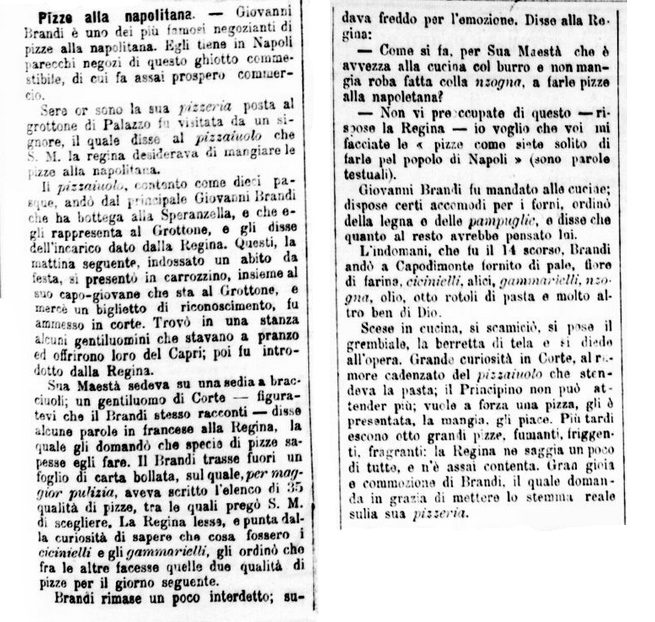
Naples invented pizza, and pizza napoletana is its own thing: a soft, pliable, leopard-spotted disc with a puffy charred rim (the cornicione), baked in seconds in a screaming wood oven. The two purist orders are marinara (tomato, garlic, oregano, no cheese) and margherita (tomato, mozzarella, basil). It’s eaten with a knife and fork, often folded, and it does not travel — half the magic is the local flour, water, and 90-second bake.
Campania also gives you mozzarella di bufala from the Caserta plains (eat it the day it’s made if you can), San Marzano tomatoes, and sfogliatella, a crisp shell-shaped pastry filled with sweet ricotta. The coast adds spaghetti alle vongole (clams) and lemons the size of fists. I cover the city’s pizzerias and street food in the Naples food guide, and the wider stretch in the Amalfi Coast, Naples and Campania guide.
Puglia: orecchiette, burrata, and great olive oil
The heel of the boot eats simply and brilliantly. The signature plate is orecchiette con cime di rapa — “little ears” of pasta with bitter turnip greens, garlic, anchovy, and chili, the pasta often still shaped by hand by women working at tables in the old streets of Bari. Puglia produces a huge share of Italy’s olive oil, and it shows: vegetables here taste like they were grown to be eaten this week.
This is also burrata country — the cream-filled mozzarella was invented in Andria in the 1950s — and the land of cucina povera turned into an art: fave e cicoria (fava purée with wild chicory), taralli crackers, raw seafood on the Adriatic. For the region beyond the table, see the Puglia and southern Italy travel guide.
Sicily: the island that cooks like nowhere else
Sicily’s food carries Greek, Arab, and Spanish history in a single bite, and it’s sweeter, bolder, and stranger than the mainland. Pasta alla Norma — fried eggplant, tomato, basil, and shavings of salty ricotta salata — is the dish that says Catania. Arancini (or arancine in Palermo) are fried rice balls stuffed with ragù or cheese, eaten on the go. Caponata, a sweet-sour eggplant relish, shows the Arab love of agrodolce.
Then the sweets, which Sicilians take to another level: cannoli filled to order with sweet ricotta, cassata, and granita with a brioche col tuppo for breakfast in summer — yes, slushy ice for breakfast, and it’s perfect in the heat. Palermo’s street food (including the famous spleen sandwich, pani ca’ meusa) is some of Europe’s best. I unpack all of it in the Sicily food guide, with the rest of the island in the Sicily travel guide.
Sardinia: a shepherd’s table in the sea
Sardinia eats more like a mountain culture than an island one — the interior, not the coast, set the menu. Culurgiones are hand-pleated dumplings (the seam looks like a wheat ear) stuffed with potato, pecorino, and mint. Malloreddus, little ridged semolina shells, come with a sausage-and-tomato sauce. Porceddu, suckling pig slow-roasted over myrtle wood, is the feast dish, and pane carasau, the crisp parchment-thin shepherd’s bread, keeps for weeks.
Bottarga (cured grey-mullet roe, grated over pasta) and sheep’s-milk pecorino sardo round out a cuisine that’s rustic, salty, and unlike anywhere else in Italy. The beaches get the headlines, but eat inland at least once; the Sardinia beaches travel guide covers the rest.
When to eat what: Italian food by season
Italians cook the calendar, hard. Order off-season and you’ll often get a frozen or imported version of something that should be glorious. A few anchors:
- Autumn (Oct–Dec): white truffles in Piedmont, porcini mushrooms, new olive oil pressed across the center and south, chestnuts, game ragùs. The best eating season in the north.
- Winter (Dec–Feb): Roman artichokes (carciofi), citrus in Sicily, bollito misto and rich braises in the north, cima di rapa in Puglia.
- Spring (Mar–May): fava beans and vignarola in Rome, risi e bisi in Venice, artichokes still going, the first tomatoes late in the window.
- Summer (Jun–Sep): tomatoes at their absolute peak, seafood everywhere on the coasts, Sicilian granita, cold pasta dishes, melon and figs. Heavy braises disappear from menus.
If you’re timing a whole trip around this, the best time to visit Italy guide lines up food seasons with weather and crowds.
How to order Italian food without giving yourself away
The food is half of it; how you eat is the rest. A handful of rules that hold almost everywhere:
Coffee follows the clock. Cappuccino is a morning drink, full stop — milk after a meal is considered bad for digestion, and ordering one after lunch or dinner marks you instantly as a tourist. After a meal, Italians take a quick espresso, standing at the bar. The whole logic of Italian coffee is laid out in the Italian coffee guide.
No big bowl of pasta as a main. Pasta is the primo, a smallish course before the meat or fish. Pile it high as your whole dinner and you’re eating like a foreigner (delicious, but a giveaway).
Order the region you’re in. Carbonara in Rome, pesto in Liguria, pizza in Naples. A “ragù bolognese” in Sicily will be tired; the local thing will be alive. This is the single best rule in this whole guide.
Coperto is not a scam. Most sit-down places add a small per-person cover charge (coperto), often €1.50–€3 as of 2026, for bread and the table. It’s normal and printed on the menu. Tipping beyond rounding up is not expected.
Watch the tourist traps. Photo menus, “we speak English,” touts at the door, and a Caesar salad on the menu in Italy are all warning signs. I keep a full field guide in how to spot tourist-trap restaurants in Italy.
For the practical scaffolding around all this — getting between regions, where to base yourself, what it costs — start with the Italy travel guide and the broader Italy travel tips.
Final thoughts
The mistake travelers make with Italian food isn’t ordering badly — it’s ordering generically, the same three dishes from Milan to Palermo while the local specialty sits untouched two tables over. Italy doesn’t really have a national cuisine to eat. It has twenty, and the whole pleasure is letting the place decide the menu.
So let the region lead. Eat the truffle pasta in Piedmont in November, the fiorentina in Florence, the pizza only in Naples, the cannoli only in Sicily. When you don’t know what to eat in Italy, the answer is almost always the thing the table next to you ordered without thinking. Buon appetito.
Questions travellers ask
What is the most famous food in Italy?
Pizza and pasta are the global icons, but neither is “Italian” in the way outsiders think — both are intensely regional. Pizza belongs to Naples; pasta means something different in every region, from Bologna’s tagliatelle to Rome’s carbonara. If you want the single most-celebrated dish, ragù alla bolognese is often called the national dish, though Italians argue about it endlessly.
What is the national dish of Italy?
Italy has no official one, but the Accademia Italiana della Cucina has pointed to ragù alla bolognese — the slow meat sauce from Bologna, traditionally served on fresh tagliatelle, not spaghetti. In practice, Italians are fiercely regional and would each name their own local dish first. Pizza margherita is the other contender for an unofficial national plate.
What should I eat for breakfast in Italy?
Something small and sweet, eaten fast, usually standing at a bar. The classic is a cornetto (Italy’s softer, sweeter croissant) with a cappuccino. That’s it — Italians don’t do big savory breakfasts, and eggs-and-bacon spreads are a hotel-buffet invention for tourists. In summer in Sicily, breakfast can be granita with a brioche, which is wonderful.
What food is each region of Italy known for?
Roughly: Piedmont for truffles, Lombardy for saffron risotto, Veneto for cicchetti, Emilia-Romagna for ragù and parmesan, Liguria for pesto, Tuscany for the fiorentina steak, Lazio for Roman pasta, Campania for pizza, Puglia for orecchiette and burrata, Sicily for arancini and cannoli, and Sardinia for roast suckling pig. The comparison table near the top of this guide lays them all out side by side.
Is the food really different in northern vs southern Italy?
Completely. The north cooks with butter, rice, polenta, and rich braises (think Milan’s risotto, Bologna’s ragù). The south runs on olive oil, tomatoes, chili, and seafood (Naples pizza, Puglia’s greens, Sicily’s eggplant). The dividing logic is historical and agricultural, not just a vibe — different land grew different food, and the borders stuck.
How much does it cost to eat well in Italy?
Less than most people fear if you eat where locals do. A great pizza in Naples runs around €6–9 as of 2026; a plate of pasta in a neighborhood trattoria, often €9–14; a full sit-down meal with wine, maybe €30–45 a head. Stand-up coffee is around €1.20. The traps near big sights cost double for worse food. The Italy travel budget guide breaks this down properly.
Do I need reservations to eat in Italy?
For the famous places, yes — book ahead, sometimes days out, especially for the best Naples pizzerias, Florence steakhouses, and any starred or cult spot. For ordinary trattorie, walking in is normal, though showing up at 8:30pm rather than 7 helps (Italians eat late). Lunch is usually easier than dinner for a table.
Where should I go in Italy just for the food?
Emilia-Romagna is the connoisseur’s pick — Bologna, Modena, and Parma in a tight triangle deliver parmesan, prosciutto, balsamic, and the country’s best fresh pasta. For range, Sicily is unbeatable; for wine-plus-food, Piedmont. If you’re building a route around the table, the Italy itineraries and where to stay in Italy guides help you anchor it.