Best Time to Visit Italy: Weather, Crowds and Regional Seasons

The best time to visit Italy for most travelers is May, September, or early October. Those months give you the best balance of comfortable weather, long enough days, open restaurants and hotels, workable transport, and crowds that are busy but not as punishing as peak summer.
That is the simple answer. It is also incomplete.
Italy changes dramatically by region. A perfect month for Rome and Florence may be too early for a full beach trip in Sardinia. A great Sicily road trip month may be wrong for high Dolomites hikes. A quiet winter museum trip can be wonderful in Venice and miserable if your dream was ferry-hopping the Amalfi Coast. And August, the month many travelers are told to avoid, can still make sense if your whole goal is beaches, mountain air, or an Italian summer holiday atmosphere.
Season should shape the route before hotels and tickets harden around it. Use this with our complete guide to visiting Italy and Italy itineraries while you are still choosing the trip shape. Once the month is likely, use the guide to getting around Italy and Our Guide to Italian Bases and Neighbourhoods to make that season work on the ground.
Quick Answer: The Best Months For Italy
| Trip priority | Best months | Why |
|---|---|---|
| Best overall first trip | May, September, early October | Comfortable city weather, most services open, good countryside conditions, manageable seasonal tradeoffs |
| Rome, Florence, Venice | April, May, September, October | Better walking weather than summer, strong museum/city conditions, less heat |
| Tuscany and Umbria countryside | May, early June, September, October | Green spring, harvest season, good driving weather, outdoor meals |
| Amalfi Coast and Cinque Terre | May, June, September | Coastal services running, warmer weather, less pressure than July-August |
| Beaches and islands | June, September, early July | Better swimming window without the worst August crush; August works if you book early |
| Dolomites hiking | Late June through September | Trails, huts, lifts, and high passes are most likely to be usable |
| Skiing and winter mountains | December through March | Snow season, Christmas markets, winter resorts |
| Cheapest city trip | January, February, November | Lower hotel rates, fewer crowds, cooler/rainier weather |
| Food and wine travel | September, October, November | Harvest, truffles, olive oil, mushrooms, chestnuts, wine regions |
| Christmas atmosphere | December | Lights, markets, churches, winter city trips, but shorter days and holiday pricing |
If I had to choose one month for a first Italy trip, I would choose May for spring energy or late September for warmer evenings and post-summer depth. If you dislike heat, choose May. If you care about wine, food, and a better chance of warm sea water, choose September. If your route is Rome, Florence, Venice, and Tuscany, October can be excellent too, especially in the first half of the month.
The Real Planning Question: Best Time For What?
“Best time to visit Italy” is a trap question because Italy is not one climate or one travel style. The country stretches from the Alps to Sicily. It includes snow resorts, lagoon cities, inland art towns, volcanic islands, seaside villages, hot southern plains, rainy northern shoulder seasons, and mountain roads that follow their own calendar.
So instead of asking one national question, ask a practical one:
- Are you planning a city-heavy route?
- Do you want beaches and swimming?
- Are you renting a car for countryside towns?
- Are you hiking in the Dolomites or Alps?
- Are you trying to avoid school-holiday crowds?
- Are you booking famous sights in Rome, Florence, or Venice?
- Are you sensitive to heat?
- Is budget the main constraint?
- Do you care about food seasons and harvests?
Once you answer those, the timing becomes much clearer.
For a first-time route, the safest windows are April-May and September-October. For coastal and island trips, push later into June or September. For ski and Christmas market travel, winter is the point. For Dolomites hiking, do not let a sunny May photo fool you; high-elevation summer starts later than city summer.
Italy also gets more visitors than many travelers expect outside July and August. ISTAT reported that Italy reached 458.4 million nights in tourist accommodation in 2024, a new record year, and October 2024 was the most touristic month of the fourth quarter. That matters because “shoulder season” no longer means empty. It means better conditions, not solitude.
Italy Weather, Crowds And Prices By Month
This table uses broad travel-planning language rather than pretending every region has the same weather. Northern Italy, central Italy, southern Italy, islands, and mountains can feel very different in the same week.
| Month | Weather feel | Crowds | Prices | Best for | Watch-outs |
|---|---|---|---|---|---|
| January | Cold, short days, snow in mountains, rain possible in cities | Low after holidays | Low to moderate | Museums, skiing, winter cities | Coastal closures, short daylight, some seasonal hotels closed |
| February | Cold to cool, Carnival season, mountain snow | Low to high in Carnival cities | Low except event dates | Venice Carnival, skiing, city value | Venice can be crowded during Carnival weekends |
| March | Variable, early spring, rain possible | Moderate | Moderate | Cities, first spring trips, lower pressure | Not reliable beach weather, changeable packing |
| April | Spring, mild but variable | Moderate to high around Easter | Moderate to high | Cities, gardens, countryside, food | Easter and holiday bridges can spike demand |
| May | Warm, green, long days | High but not peak summer | High | First trips, Rome/Florence/Venice, Tuscany, lakes | Popular sights still need advance booking |
| June | Warm to hot, beach season starts | High | High | Coast, islands, lakes, early summer routes | Late June moves toward peak season |
| July | Hot, dry in many areas, peak summer | Very high | Very high | Beaches, islands, mountains | City heat, crowds, high hotel rates |
| August | Hottest, beach/mountain holiday peak | Very high on coast; odd rhythm in cities | Very high in resorts | Beaches, islands, Dolomites, Italian summer atmosphere | Ferragosto, closures in some city restaurants, heat |
| September | Warm, softer than summer, sea still warm | High to moderate | High to moderate | Best all-around, beaches, wine, cities | Early September is still busy and warm |
| October | Mild to cool, more rain later | Moderate | Moderate | Cities, food, wine, Tuscany, Rome, Sicily | Later October can bring closures and weather uncertainty |
| November | Cool, rainier, short days | Low | Low | Museums, food, truffles, budget city trips | Not ideal for coast, mountains between seasons |
| December | Cold to cool, festive, snow in mountains | Moderate; high at holidays | Moderate to high at holidays | Christmas, skiing, winter cities | Holiday closures, short days, higher Christmas/New Year prices |
ISPRA’s 1991-2020 climate normals are the right reminder here: Italy’s climate should be understood through monthly, seasonal, and regional patterns, not a single national average. A March afternoon in Palermo and a March morning in the Dolomites are different trips.
Month-By-Month Guide To Italy
January In Italy
January is best for travelers who want museums, winter food, lower prices, and skiing. After New Year’s and Epiphany on January 6, many city trips become calmer. Rome, Florence, Milan, Bologna, Turin, Naples, and Venice can be good winter choices if you do not mind cold mornings, early sunsets, and possible rain.
January is not the month I would choose for Amalfi Coast villages, Cinque Terre hiking, or lake resorts unless you understand the off-season mood. Some places are still beautiful, but beauty and convenience are not the same thing. Ferries, restaurants, hotels, and tours may be reduced.
Choose January for museums, churches, opera, sales, food, skiing, and a lower-pressure version of famous cities. For the dedicated support guide, use Italy in January: Weather, Crowds and Where to Go.
February In Italy
February is still winter, but it has one big personality shift: Carnival. Venice Carnival is the famous one, and the official Comune di Venezia page listed the 2026 Carnival from January 31 to February 17. Dates change each year, so always verify the current official calendar if Carnival is the reason for your trip.
February can be a smart city month if you want fewer crowds than spring. It is also a mountain month for skiing. It is not a beach month, and it is not a reliable countryside picnic month. Pack layers, expect rain in some regions, and treat outdoor dining as a bonus rather than a guarantee.
The main warning is Venice during Carnival weekends. It is atmospheric, photogenic, and crowded. If you want quiet Venice, do not accidentally book the biggest Carnival weekend because the airfare looked cheap.
March In Italy
March is the beginning of the transition. It can feel like spring in the south and still like winter in the north or mountains. It is useful for travelers who want better prices and fewer crowds than May but can tolerate unstable weather.
Rome and Florence can be pleasant in March, especially later in the month. Naples, Sicily, and Puglia may feel more springlike. Venice can be moody and beautiful, but rain and chill are real. Countryside areas start waking up, though the full green-and-flower version of spring is stronger in April and May.
March is not the safest choice for a first Italy trip if you are imagining warm evenings and outdoor meals every night. It is a good choice if you are museum-focused, flexible, and happy packing a real jacket. See Italy in March: Spring Travel Guide for the deeper version.
April In Italy
April is one of Italy’s most interesting months because the country feels alive again, but the month can be logistically uneven. Weather improves, gardens bloom, countryside routes become more appealing, and walking in cities is much easier than in July. At the same time, Easter can transform crowd patterns and prices.
Easter moves every year. In 2026, Easter Sunday was April 5 and Easter Monday was April 6. Easter week can affect Rome, Vatican-area travel, religious sites, restaurants, and transport demand. April 25 is Liberation Day, and May 1 follows close behind as Labor Day, so late April can create holiday bridges for domestic travel.
I like April for Rome, Florence, Venice, Naples, Bologna, Palermo, and early countryside trips. I would be more careful with beach expectations, high mountains, and routes that depend on seasonal ferries. If you want a full planning guide for the month, use Italy in April: Easter, Weather and Best Places.
May In Italy
May is one of the best months to visit Italy. It has the spring version of almost everything travelers want: warm enough weather for long walks, green countryside, open restaurants, longer days, gardens, outdoor meals, and less brutal heat than summer.
May is especially strong for first-time routes: Rome, Florence, Venice, Tuscany, Bologna, Verona, Milan, Lake Como, Naples, Pompeii, and much of central and northern Italy. It is also a good month for travelers who want beauty without committing to peak beach season.
The catch is that May is not a secret. It is a high-demand month now. You still need to book major museums, Colosseum/Vatican-style sights, well-located hotels, and popular restaurants. “Shoulder season” in May means better weather and somewhat less pressure than summer, not quiet streets at noon near the Trevi Fountain.
For a month-specific route and packing guide, read Italy in May: Weather, Crowds and Itinerary Ideas.
June In Italy
June is the hinge between shoulder season and full summer. Early June can be excellent: warm weather, long days, beaches beginning to make sense, and a festive feeling before the most intense July-August crowds. Late June starts to behave more like peak season.
June is good for Amalfi Coast, Cinque Terre, Italian Riviera, Sardinia, Sicily, Puglia, lakes, and mixed city-plus-coast routes. It can also work well for first-time city routes if you are heat-tolerant and plan early starts.
Republic Day on June 2 is a national holiday. It can create domestic travel demand depending on the calendar. School holidays also begin to matter as June progresses.
If I were choosing June, I would prefer the first half for cities and the second half for beaches. For the fuller month guide, read Italy in June: Summer Start Guide.
July In Italy
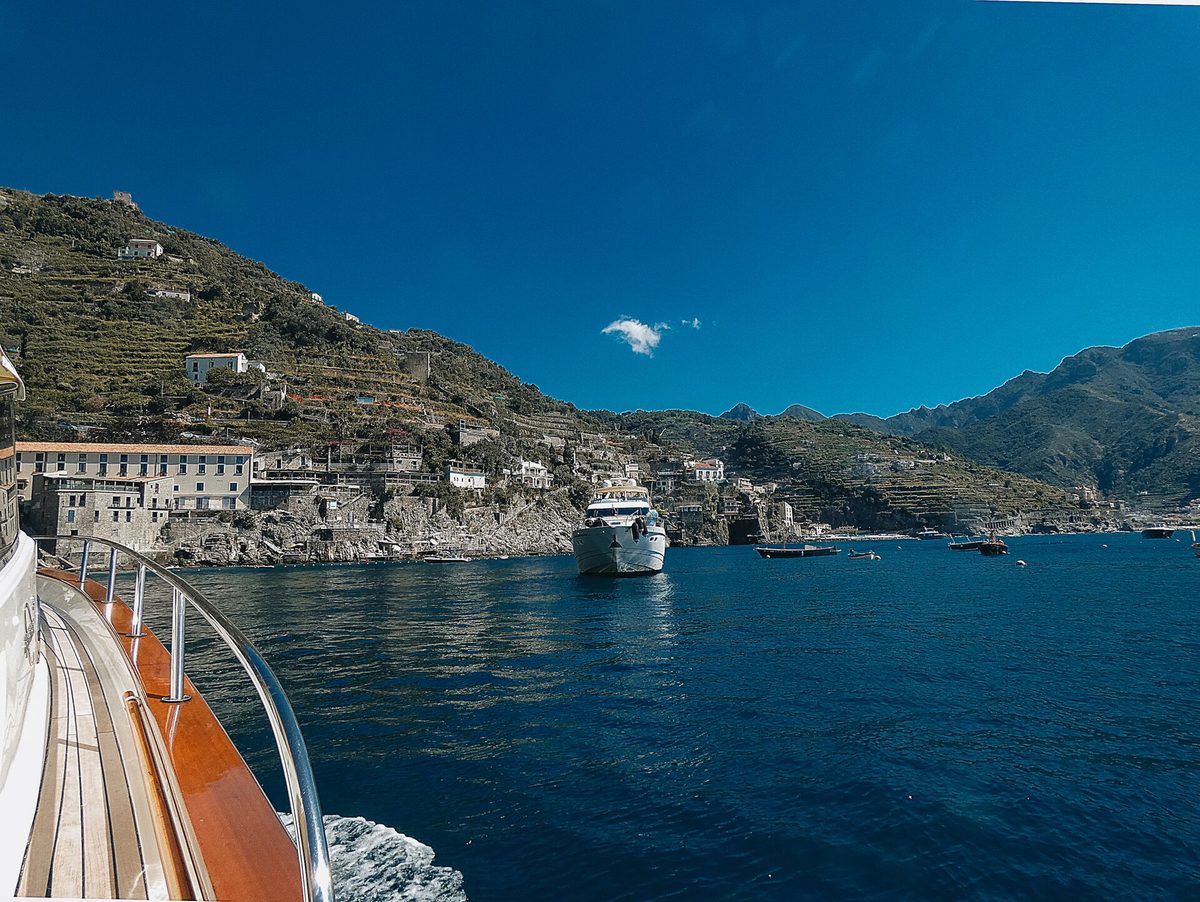
July is peak summer. It is hot in cities, expensive in many popular destinations, and crowded across famous routes. It is also the right month for some trips: beaches, islands, lakes, and mountains are fully alive.
I would not choose July for a packed Rome-Florence-Venice museum route unless school calendars leave no alternative. If July is your only window, plan around heat. Book timed entries. Start early. Rest in the afternoon. Stay central. Use taxis strategically. Do not schedule a long outdoor archaeological site at 2 p.m. because it fit the spreadsheet.
July can be excellent for Sardinia, Sicily beaches, Puglia beaches, the Dolomites, Lake Garda, Lake Como, and coastal trips if you book early and accept peak-season pricing. It is also event-heavy in many towns. The Palio di Siena traditionally takes place on July 2 and August 16, making Siena electric but logistically harder around those dates.
August In Italy
August is the most misunderstood Italy travel month. It is not true that everything closes and the trip is ruined. It is true that August is hot, expensive in resorts, crowded on beaches, and shaped by Ferragosto on August 15.
Ferragosto is the Assumption holiday and one of the major summer pressure points in Italy. The official Italian Government holiday list includes August 15 as Assunzione di Maria. Around that period, many Italians travel to the coast, mountains, islands, family homes, or holiday towns. Some small city restaurants and independent shops close for holidays. Major tourist sights in big cities may still operate, but the rhythm changes.
August makes sense for beach-first travelers, families tied to school holidays, island trips, mountain trips, and people who want full summer energy. It is weaker for travelers who hate heat, want low prices, or plan to spend every day in Rome, Florence, and Venice.
If you must travel in August, lean into the season. Choose air-conditioned lodging, book well ahead, plan beaches and mountains intentionally, and make city days lighter.
September In Italy
September is one of the best months to visit Italy, especially after the first week or two. The sea is still warm from summer, evenings are often pleasant, cities become easier, harvest season begins, and mountain hiking can still be excellent in the Dolomites and Alps.
For many travelers, September beats May because it has more warmth and better swimming conditions. For others, May wins because September can still feel hot in Rome, Florence, Naples, Sicily, and Puglia, especially early in the month.
September is good for almost everything: Rome, Florence, Venice, Tuscany, Umbria, Amalfi Coast, Sicily, Puglia, Sardinia, lakes, Dolomites, wine regions, and first-time routes. It is also not empty. Hotels in the best locations can still be expensive, and famous sights still require planning.
If I had a flexible traveler asking for one strong month, I would often say late September. The dedicated page is Italy in September: Best Shoulder Season Routes.
October In Italy
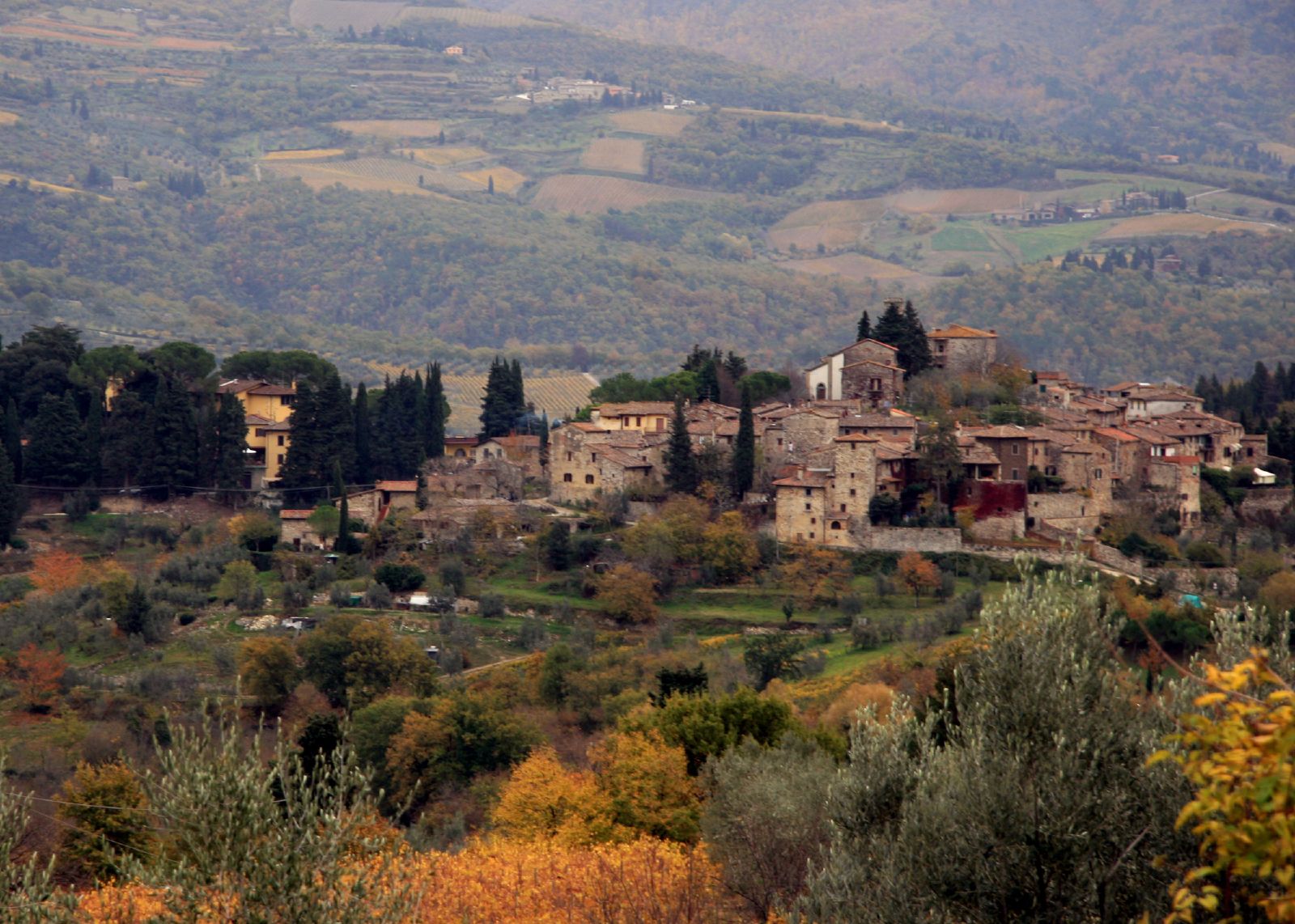
October is one of my favorite Italy months, but it is not the same trip from October 1 to October 31. Early October can feel like a softer extension of September in central and southern Italy. Late October feels more autumnal, with higher rain risk, shorter days, cooler evenings, and more seasonal closures in coastal places.
October is excellent for Rome, Florence, Bologna, Venice, Naples, Tuscany, Umbria, Piedmont, Emilia-Romagna, Sicily, and Puglia if the goal is culture, food, wine, walking, and atmosphere. It is a superb harvest month: grapes, olive oil, chestnuts, mushrooms, truffles, and wine-country travel all fit.
It is less reliable for beach-first trips, though early October can still be warm in the south and islands. It is also less simple for high mountains as the month progresses. Some Dolomites lifts and huts may close after summer season, while winter ski operations have not begun.
For deeper planning, read Italy in October: Weather, Harvests and Crowds.
November In Italy
November is low season for a reason: shorter days, more rain, less beach/coast energy, and a quieter travel rhythm. But it is not a bad month if you choose the right trip.
November can be good for Rome, Florence, Bologna, Turin, Milan, Naples, Palermo, food travel, truffle fairs, museums, and lower hotel rates. It can be especially appealing if you have been to Italy before and want less pressure around famous places.
It is not ideal for a dream first visit if your mental picture is golden light, long dinners outside, ferries, swimming, and countryside drives under blue skies. Those things can happen, but they are not the baseline. November belongs to travelers who want city culture and food more than postcard weather.
December In Italy
December is a festive city and mountain month. Christmas lights, nativity scenes, markets, churches, winter food, opera, and ski resorts all make sense. Bolzano and South Tyrol have a strong Christmas market identity, but Rome, Florence, Milan, Naples, Venice, and smaller towns also have seasonal charm.
December is not automatically cheap. Early December can be better value, but Christmas and New Year can be expensive, especially in major cities, ski areas, and popular holiday towns.
The biggest December advantage is atmosphere. The biggest limitation is daylight. Plan fewer things per day, book holiday meals carefully, and check opening hours around December 25, December 26, and January 1. For the month-specific guide, use Italy in December: Christmas Markets and Winter Trips.
Best Time To Visit Italy By Region
Rome, Florence And Venice
For Rome, Florence, and Venice, the best months are April, May, September, and October. These cities are walking-heavy, museum-heavy, church-heavy, and line-heavy. Heat makes them harder.
Rome is best when you can walk for hours without managing heat exhaustion. That usually means spring and fall. Winter can be excellent for museums and lower prices. Summer requires discipline: early starts, shade, air conditioning, and fewer outdoor commitments.
Florence is beautiful in warm months but punishing in summer heat, especially when museums and stone streets hold the warmth. May and October are much easier than July. If Florence is paired with countryside, May, June, September, and October all make sense.
Venice is a year-round city, but the experience changes sharply. Spring and fall are best for walking. February is Carnival. Summer is crowded and humid. Late autumn and winter can be atmospheric, rainy, foggy, and quieter outside events.
For city-specific planning, use our guide to visiting Rome, Everything You Need to Know About Florence and Tuscany, and Everything You Need to Know About Venice and Veneto.
Tuscany, Umbria And Countryside Trips
Tuscany and Umbria are strongest in May, early June, September, and October. Spring is green and bright. Early summer has long days. September has harvest energy. October has food, wine, autumn colors, and cooler drives.
July and August can still work if you choose a countryside property with a pool and do not plan to march through hill towns in the hottest part of the day. Winter can be quiet and lovely in cities such as Florence, Siena, Perugia, and Assisi, but some rural properties and restaurants reduce operations.
If you are renting a car, the season affects more than weather. It affects daylight, road comfort, parking pressure, festival traffic, and how much you want a pool. Pair this section with Our Guide to Italian Roads and ZTLs and the Italy transportation guide.
Amalfi Coast, Naples, Capri And Campania
The best months for the Amalfi Coast are May, June, and September. Early October can be good too if you are focused on views, food, Pompeii, Naples, and walking rather than guaranteed beach days.
July and August are high summer: hot, crowded, expensive, and lively. They are not wrong if you want full beach-and-boat energy and can book early. They are wrong if you want a quiet, budget-friendly coast.
Winter and early spring are much less convenient on the coast. Some hotels, beach clubs, restaurants, tours, and ferry services may be reduced or closed. Naples itself is much more year-round, and Pompeii is often better outside summer heat.
For route planning, use Amalfi Coast, Naples and Campania Travel Guide and How to Get Around Amalfi Coast Without a Car.
Sicily, Puglia, Sardinia And Southern Beaches
Southern Italy expands the useful season. Sicily and Puglia can be excellent in April, May, June, September, and October, depending on whether you care more about cities, archaeological sites, road trips, or beaches.
For beaches, June and September are usually the sweet spots. Early July can be good if you book early. August is peak local and international holiday season. It is lively and expensive, not quiet.
Sicily is more year-round than many travelers realize if the route is Palermo, Catania, Siracusa, Noto, Ragusa, Etna, food, architecture, and archaeological sites. Sardinia is more beach-season dependent for most tourists, with June and September especially attractive.
Use Our Guide to Visiting Sicily, Puglia and Southern Italy Travel Guide, and Sardinia and Italy Beaches Travel Guide when those regions are part of your route.
Italian Lakes
The Italian lakes are best in May, June, September, and early October. April can be lovely but more variable. July and August are busy and warm, but the lakes still make sense if you want summer resort energy.
Lake Como, Lake Garda, Lake Maggiore, Lake Iseo, and Lake Orta do not behave identically, but the same planning idea applies: check ferry schedules, choose a base carefully, and do not assume every hotel, boat, and garden has the same seasonal rhythm.
The lakes are not just summer escapes. May has gardens and spring light. September has warmth and better swimming odds. October can be beautiful but more limited as the month goes on. For lake-by-lake planning, use The Complete Guide to the Italian Lakes.
Dolomites And Italian Alps
The Dolomites and Alps have two real high seasons: winter ski season and summer hiking season. If you want skiing, look at December through March, with local conditions varying by resort and year. If you want hiking, late June through September is the more reliable window.
May can look tempting in photos, but high trails, huts, lifts, and passes may not be fully ready. October can be excellent, but services may close after summer and weather can change fast. November is often awkward: too late for summer hiking and too early for full winter.
Choose the mountains for August if you need Italy in August but hate city heat. The Dolomites will still be busy, but the climate logic makes more sense than standing in a Roman archaeological site in the hottest part of the day. For base, lift and hiking-season planning, use Dolomites and Italian Alps Travel Guide.
Best Time To Visit Italy By Travel Style
First-Time Visitor
Choose May, September, or early October. These months make the classic Rome-Florence-Venice route easier, especially if you plan to walk, take trains, visit museums, and add Tuscany or the Amalfi Coast.
If you are planning a first trip around school holidays, June is easier than July or August. If summer is unavoidable, consider a route that includes coast or mountains rather than only inland cities.
Use Best Italy Itineraries to match the month to a realistic route.
Honeymoon Or Anniversary Trip
Choose May, June, September, or early October depending on the setting. May and September are best for a romantic mix of cities and countryside. June and September are better for coast, boats, lakes, and islands. October is beautiful for wine-country romance and slower city dinners. Our romantic version of an Italy trip builds a route around exactly that.
Avoid building a heat-heavy honeymoon in July or August unless you are intentionally choosing beaches, pools, boats, and air-conditioned hotels. Romance is easier when you are not standing in a taxi line with luggage in 35 C heat.
Family Trip
Families often travel when school calendars allow it, so the question becomes damage control. Late June is better than late July for many routes. August can work if you choose beaches, agriturismo stays with pools, lakes, or mountains. For cities, keep days shorter, book timed entries, and stay central.
Families should also think about luggage and transfers by season. Heat makes every transfer harder. If you are moving every two nights in July, the itinerary may be the problem, not the destination.
Budget Traveler
Choose January, February, March, November, or early December for city trips. You will trade weather and daylight for lower costs and fewer crowds. For a nicer balance, look at late March, parts of April excluding Easter, and late October into November.
For beach and island budgets, shoulder edges are better than peak season: late May, early June, late September, or early October depending on region.
Use Our Italy Cost Breakdown for cost planning by route and style.
Food And Wine Traveler
Choose September, October, or November. September brings grape harvest energy. October brings wine, truffles, chestnuts, mushrooms, olive harvest beginnings, and autumn menus. November is quieter and more serious for food-focused travelers who do not need perfect weather.
Food seasons are regional. Piedmont, Tuscany, Umbria, Emilia-Romagna, Sicily, Puglia, and the Veneto do not all follow the same rhythm. But if your dream Italy trip is built around long lunches, vineyards, markets, and rural drives, fall is hard to beat.
For the broader food hub, use Italy Food and Wine Travel Guide.
Beach Traveler
Choose June or September for the best balance. July and August are the peak beach months, but they come with peak prices, crowds, and heat. Early October can work in Sicily, Puglia, and parts of southern Italy, but it is not as reliable as September.
May can be beautiful on the coast but is not always true swimming season, especially for people who want warm water. If your trip will feel disappointing without beach days, do not choose April because a hotel photo looked sunny.
Museum And Culture Traveler
Choose winter, spring, or fall. January, February, March, April, May, October, November, and early December can all work for art, churches, museums, opera, archaeology, food, and city walking. Summer is possible but less pleasant unless you structure the day carefully.
The major sights still require booking in popular cities. Lower season does not mean you can ignore tickets for the Vatican Museums, Colosseum, Uffizi, Accademia, Last Supper, Borghese Gallery, or similar high-demand places.
Holidays And Events That Change The Calendar
Some dates affect crowds and hotel rates even if they do not matter to every tourist.
Venice Carnival usually falls in winter, ending before Lent. It can make Venice memorable and crowded at the same time. Verify the current official calendar before booking.
Easter moves between March and April. Holy Week and Easter can affect Rome, Vatican plans, religious sites, restaurants, and transport. Easter Monday, called Pasquetta, is a public holiday and often a domestic outing day.
April 25, May 1, and June 2 are fixed national holidays. When they create long weekends, domestic travel can increase. Hotel prices and trains may reflect that.
Milan Design Week and Salone del Mobile usually create serious hotel pressure in Milan in April. Vinitaly can do the same in Verona. These events may not matter unless you are staying in those cities, but if you are, they matter a lot. If your route leans north, pair the season plan with Planning a Trip to Milan and Northern Italy.
The Palio di Siena happens on July 2 and August 16 in normal years. It is extraordinary and crowded. Do not accidentally book Siena around Palio dates and expect an ordinary quiet Tuscany night.
Ferragosto on August 15 is the biggest summer holiday marker. Plan around it, especially for beaches, islands, mountain resorts, transport, and small restaurants.
Harvest, truffle, mushroom, chestnut, and olive-oil seasons shape September through November. These events are often local rather than nationally standardized, so check regional calendars once your route is set.
Christmas and New Year bring festive atmosphere, closures, and higher prices in popular places. Book holiday meals and check transport schedules.
When To Book Italy By Season
For May, June, September, and October, book well-located hotels as soon as your route is firm. These months are not secret anymore. The best-value rooms in Rome, Florence, Venice, Amalfi, Tuscany, and lake towns can disappear early.
For July and August, book beaches, islands, family rooms, agriturismo stays with pools, ferries, and rental cars early. If you need automatic transmission, do not wait.
For winter city trips, you can often keep more flexibility, except for Christmas/New Year, Carnival, ski resorts, and major business/design events.
For high-speed trains, the timing advice overlaps with our Italy transport guide: book fixed long-distance routes once hotels are set, especially in high-demand periods. For regional trains, focus more on schedules and ticket rules close to travel.
For museums and attractions, season matters less than demand. The Colosseum, Vatican Museums, Uffizi, Accademia, Last Supper, Borghese Gallery, and other major sights can sell out or require planning in more than one season.
Sample Timing Decisions
You Want Rome, Florence And Venice For 10 Days
Choose May, September, or October. April can work if Easter timing does not complicate your dates. June is possible but warmer. July and August are workable only if school calendars force them and you are ready for heat.
The best version is train-based, with three or four nights in Rome, two or three in Florence, and two or three in Venice. Use 10 Days in Italy: Rome, Florence, Venice and Alternatives when that support page is next in the publishing sequence.
You Want Amalfi Coast, Capri And Naples
Choose May, June, or September. Early October can be good if you care more about Naples, Pompeii, views, food, and walking than swimming. July and August are peak summer: lively and beautiful, but expensive and crowded.
Avoid winter unless you are specifically choosing Naples and archaeology rather than a full coastal holiday.
You Want Tuscany With A Rental Car
Choose May, early June, September, or October. May is greener. September is warmer and harvest-oriented. October is food-heavy and atmospheric. July-August can work with a pool and slow pace, but hill towns at midday can be hard.
Keep the car for the countryside, not Florence itself.
You Want Sicily Or Puglia
Choose May, June, September, or October. If beach time is central, June and September are stronger. If archaeology, food, towns, and road trips matter more, April, May, October, and even November can be appealing in Sicily.
August is not wrong for beaches, but book early and expect peak pressure.
You Want Dolomites Hiking
Choose late June through September. July and August have the most summer infrastructure but also more crowds. September can be superb if weather cooperates. June can be beautiful but may still have lingering snow or limited high-elevation access depending on the year.
Do not assume May is hiking season for high trails just because Italian cities feel like spring.
Packing By Season
Spring packing should be flexible: light layers, a rain jacket, comfortable walking shoes, and something nicer for dinners. March and April need more range than May.
Summer packing should prioritize heat management: breathable clothes, sun protection, refillable water bottle, sandals or shoes that can handle long walks, swimwear if coastal, and a light layer for air-conditioned trains or mountain evenings.
Fall packing depends on month and region. September can still feel summery. October needs layers. November needs a real rain plan.
Winter packing should include a warm coat, scarf, practical shoes, layers, and an umbrella or rain shell for cities. For mountains, pack properly for snow conditions rather than treating Italy as a mild-weather destination.
In every season, bring shoes you can actually walk in. Italy punishes fantasy footwear faster than almost any place I know.
Common Timing Mistakes
The first mistake is assuming shoulder season means no crowds. May, September, and October are popular because they are good. Book the important things.
The second mistake is choosing August for cities and then being surprised by heat. If August is your window, design an August trip: coast, lakes, mountains, pools, air conditioning, slower days.
The third mistake is booking coastal villages in winter and expecting summer services. Some places are year-round, but many beach and ferry destinations are seasonal.
The fourth mistake is choosing May for beaches. May can be beautiful by the sea, but the water may not feel warm enough for travelers who want real swimming.
The fifth mistake is choosing October for the Dolomites without checking lift, hut, trail, and weather conditions. October can be gorgeous, but it is not automatically easy.
The sixth mistake is ignoring Easter, Ferragosto, Carnival, Palio, Salone, and local festivals. Events can be a reason to go or a reason to change dates.
The seventh mistake is using Rome weather to plan Sicily, or Sicily weather to plan the Alps. Italy is regional. Treat it that way.
Deeper Month And Season Guides
Once you have a likely travel window, use the month guide that matches it:
- Italy in September: Best Shoulder Season Routes
- Italy in October: Weather, Harvests and Crowds
- Italy in May: Weather, Crowds and Itinerary Ideas
- Italy in June: Summer Start Guide
- Italy in April: Easter, Weather and Best Places
- Italy in December: Christmas Markets and Winter Trips
- Italy in March: Spring Travel Guide
- Italy in January: Weather, Crowds and Where to Go
For broader trip decisions, continue with:
Questions travellers ask
What is the best month to visit Italy?
May and September are the best months for most Italy trips. May is better for spring countryside, cooler city weather, and gardens. September is better for warmer evenings, food and wine travel, and a stronger chance of enjoyable beach weather.
Is October a good time to visit Italy?
Yes, October is a very good time to visit Italy for cities, food, wine, Tuscany, Rome, Florence, Bologna, Naples, Sicily, and Puglia. Early October is more reliable for warmth. Later October is cooler, rainier, and less reliable for beaches, ferries, and high mountains.
Is Italy too hot in summer?
Italian cities can be very hot in July and August, especially Rome, Florence, Naples, and inland towns. Summer is better for beaches, islands, lakes, and mountains than for a packed city-museum route. If summer is your only window, plan early starts, afternoon breaks, central hotels, and air conditioning.
What is the cheapest time to visit Italy?
January, February, November, and early December are often cheaper for city trips, excluding holidays, Carnival, ski resorts, and major events. Late March and parts of late October can also offer better value than peak spring, summer, or September.
Is May or September better for Italy?
May is better if you prefer cooler city weather, green countryside, and spring energy. September is better if you want warmer evenings, harvest season, and better beach or swimming odds. For a first-time city route, both are excellent.
Is August a bad time to visit Italy?
August is not automatically bad, but it is hot, crowded, and expensive in many destinations. It works best for beaches, islands, lakes, and mountains. It is weaker for travelers who dislike heat or want a low-cost Rome-Florence-Venice route. Ferragosto on August 15 is a major holiday period to plan around.
What is the best time for beaches in Italy?
June and September are the best beach months for most travelers because they balance warm weather with less pressure than peak August. July and August are hottest and busiest. May can be beautiful but may not be warm enough for everyone to swim, while early October is most reliable in the south and islands.
What is the best time for the Dolomites?
For hiking, late June through September is the safest broad window. For skiing, look at winter, typically December through March depending on resort and snow conditions. May, early June, October, and November can be tricky because lifts, huts, trails, roads, or snow conditions may not match expectations.