Florence & Tuscany Travel Guide
Florence and Tuscany Travel Guide: Art, Hill Towns, Wine and Day Trips
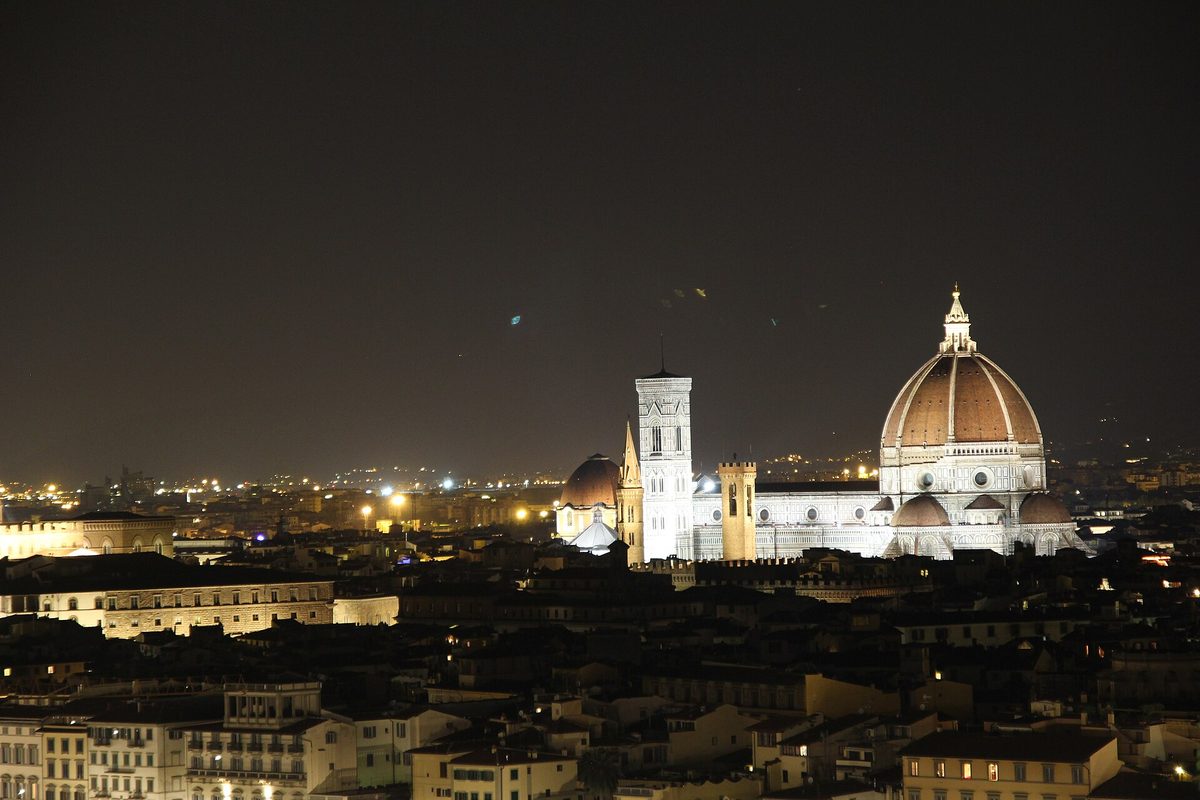
I built this Florence travel guide around the mistake I see most: treating a compact-looking city as if it were small. Florence is the easiest place in Italy to overplan. The city looks compact on a map, the famous sights seem close together, and every list tells you to see the Duomo, Uffizi, Accademia, Ponte Vecchio, Palazzo Vecchio, Pitti Palace, Boboli Gardens, Santa Croce, Santa Maria Novella, San Lorenzo, Oltrarno, and Piazzale Michelangelo. Then Tuscany starts whispering from just outside the walls: Siena, Chianti, San Gimignano, Pisa, Lucca, Volterra, Val d’Orcia, Montepulciano, Montalcino, Pienza.
The mistake is trying to treat all of that as one Florence checklist.
Florence deserves at least two full days if this is your first visit, and three is better. Tuscany deserves a different kind of time: trains and buses for some day trips, tours for wine country, a rental car for the countryside that does not line up neatly on public transport, and ideally a night or two outside Florence if you want sunsets, slow dinners, and hill towns after the day-trippers leave.
The goal is to keep Florence and Tuscany separate enough to plan well: how long to stay, what to book in advance, where to base yourself, which day trips are realistic, when a car is worth it, and how to connect Florence and Tuscany to the rest of your Italy itinerary.
Florence Travel Guide at a Glance
| Planning question | Best answer for most visitors |
|---|---|
| Ideal Florence stay | 3 nights for a first visit; 4-5 nights if adding day trips from Florence |
| Minimum Florence time | 2 full days if you want Duomo area, Uffizi, Accademia/David, and a little neighborhood life |
| Best Tuscany add-on | 2-4 nights in countryside, Siena, Chianti, Val d’Orcia, or Lucca if you have time |
| Best first-time base | Florence for museums and rail day trips; Siena or countryside agriturismo for slower Tuscany |
| Must-book in advance | Uffizi, Accademia, Brunelleschi’s Dome climb, some Duomo passes, popular restaurants and tours |
| Best easy day trips | Siena, Pisa, Lucca, Bologna, Arezzo, Fiesole |
| Best car/tour day trips | Chianti, San Gimignano, Volterra, Val d’Orcia, Montepulciano, Montalcino, Pienza |
| Biggest mistake | Booking Florence as a two-night stop and trying to squeeze in Uffizi, Accademia, Duomo climb, Siena, Chianti, and Pisa |
If your whole Italy trip is only 7 to 10 days, Florence can be the art-focused middle of the classic Rome-Florence-Venice route. If you have 12 to 14 days, Florence can become the gateway to Tuscany. If you have been to Italy before, Tuscany can be the trip itself: fewer museums, more countryside, markets, wine roads, slow lunches, and towns that do not need a trophy sight to justify the day.
For timing, pair this page with Italy Season by Season. For transport decisions, keep Italy Transportation Guide open, because Florence and Tuscany are exactly where the train-versus-car question starts to matter.
How Many Days Do You Need In Florence And Tuscany?
The short answer: spend three nights in Florence if it is your first visit, and add two or more nights in Tuscany if countryside, wine, and hill towns are a major reason for the trip.
| Time available | What works | What to avoid |
|---|---|---|
| 1 full day | A focused Florence highlights walk plus one major museum or Duomo climb | Uffizi and Accademia and multiple neighborhoods and a day trip |
| 2 full days | Duomo area, Uffizi, Accademia, Ponte Vecchio, Oltrarno, sunset viewpoint | Treating Florence as only a base for Tuscany |
| 3 full days | A strong first visit with deeper art, food, Oltrarno, Pitti/Boboli or a half-day trip | Booking every hour with no time to wander |
| 4-5 full days | Florence plus Siena, Pisa/Lucca, Chianti, Fiesole or another day trip | Too many back-to-back bus/train transfers |
| 6-7 full days | Florence plus countryside stay, Chianti, Siena, Val d’Orcia, San Gimignano, Lucca | Keeping the whole trip in Florence if you want rural evenings |
| 8+ full days | A real Florence and Tuscany trip with city, countryside, wine, hill towns and rest time | Changing bases every night unless it is a road trip |
Florence is small enough to walk across and dense enough to exhaust you. That combination tricks people. You can physically walk from the Uffizi to the Duomo to the Accademia to San Lorenzo to Santa Croce to Ponte Vecchio in a day. That does not mean you will enjoy it. Florence asks for absorption. The difference between a rushed Florence stop and a memorable one is often one unscheduled hour in a church, one second coffee, one quiet street in Oltrarno, or one evening when you do not have to catch a train.
Tuscany has the opposite problem. It looks close on a map, but the best parts are not always connected in a clean line. Siena is manageable by public transport. Pisa and Lucca are manageable. Chianti is possible by tour or car. Val d’Orcia is where a car starts to earn its keep. San Gimignano is famous, beautiful, and more awkward than its popularity suggests if you are relying on public transport.
For a day-by-day Florence plan, use 3 Days in Florence: Art and Food Itinerary. For the countryside version, use Tuscany Road Trip Itinerary.
Best Things To Do In Florence
Florence is not just a list of Renaissance trophies, but the trophies are real. The Historic Centre of Florence is a UNESCO World Heritage Site, and UNESCO describes the city as having exceptional artistic concentration, with Santa Maria del Fiore, Santa Croce, the Uffizi, Pitti Palace, and other monuments forming an extraordinary urban ensemble. You feel that in the best and worst ways: beauty everywhere, crowds everywhere, and almost too much significance per square meter.
The way to make Florence work is to divide the city into clusters.
Duomo, Baptistery And Brunelleschi’s Dome
The Cathedral of Santa Maria del Fiore is Florence’s visual anchor. The dome, designed by Brunelleschi, is the thing you keep seeing at the end of streets, from hotel windows, from terraces, and from the other side of the Arno. You can admire it for free from the outside, but the broader Duomo complex includes the cathedral, dome climb, bell tower, baptistery, museum, and Santa Reparata archaeological area, depending on the pass you choose.
As of the May 25, 2026 fact check, the official Opera di Santa Maria del Fiore ticket pages separate access into named passes, with the dome climb requiring timed planning. Start from the official Duomo monuments access page and verify the current ticket prices and pass rules before you buy. Do not assume a generic “Duomo ticket” includes everything you care about.
If you want the dome climb, book early. It is not just another viewpoint. It is a physical climb, a close encounter with the dome structure, and a timed commitment that shapes the day. If you are claustrophobic, mobility-limited, or traveling with someone who hates stairs, choose a different viewpoint such as Giotto’s Bell Tower, Piazzale Michelangelo, or a terrace.
Uffizi Gallery
The Uffizi is the major art museum in Florence and one of the most important museums in Italy. It is also where Florence can become too much if you walk in without a plan. Botticelli, Leonardo, Michelangelo, Raphael, Caravaggio, Giotto, Cimabue, and many others sit inside a building that deserves time, not a quick lap between lunch and the Accademia.
Book through the official Uffizi tickets page or a reputable authorized channel. Timed entry matters, and high-season dates can sell out. I would rather book the Uffizi for a morning or early afternoon when I still have museum energy, then leave space afterward instead of stacking another major museum immediately after it.
For many first-time visitors, the Uffizi is worth a guided tour. The collection is not just “beautiful paintings.” It is a visual history of patronage, religion, politics, technique, and Renaissance self-confidence. A good guide can turn the museum from a long hallway of masterpieces into a story.
The dedicated support page is Uffizi Gallery Tickets and Visiting Guide.
Accademia And Michelangelo’s David
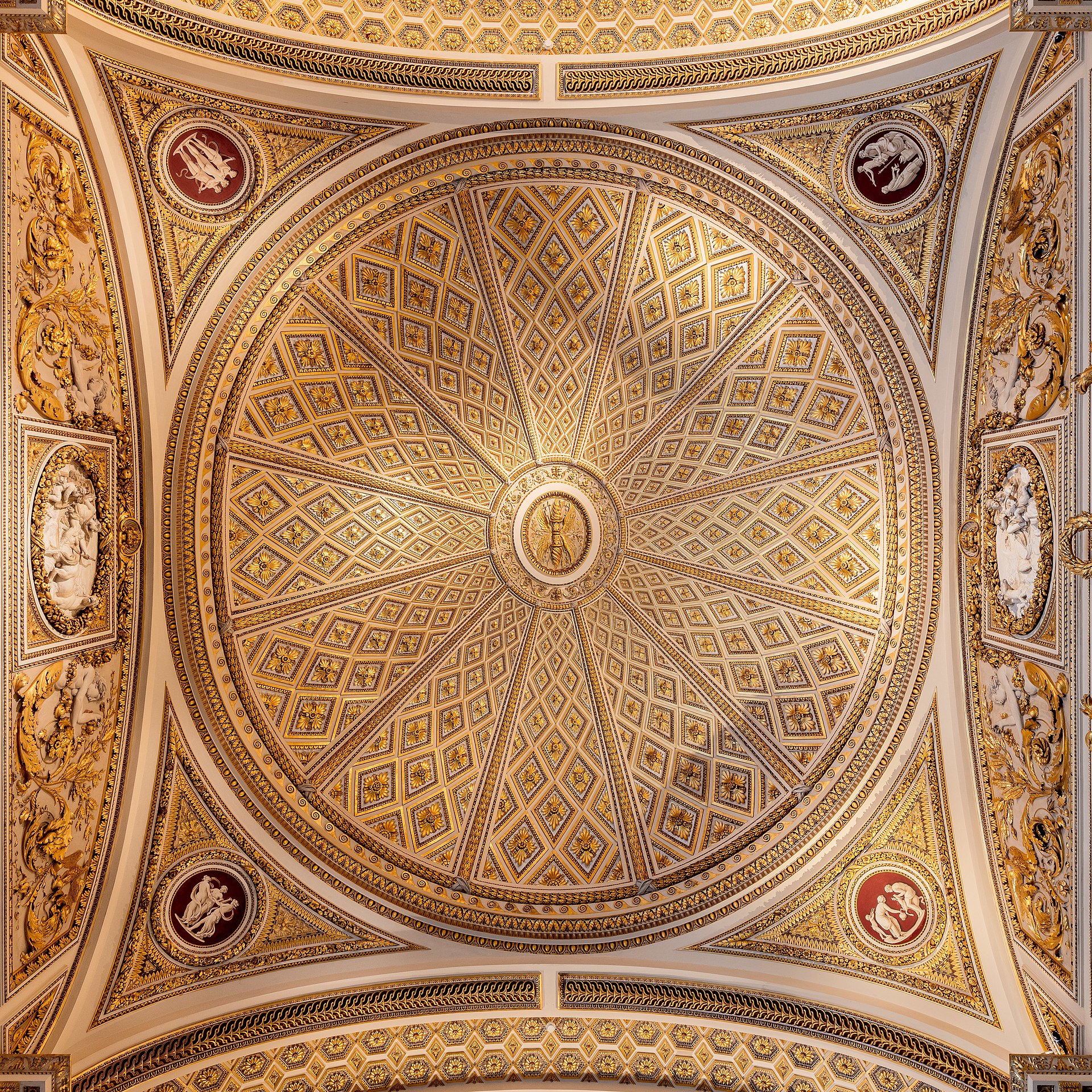
The Accademia is famous for Michelangelo’s David. There are other works, and the museum has more context than many visitors expect, but the David is the reason most people go. That can make the Accademia a simpler decision than the Uffizi. If seeing David matters to you, book it. If it does not, do not let obligation take a precious Florence slot.
Use the official Galleria dell’Accademia visit page for current hours, ticketing, closure days, and access rules. Be careful with reseller pages that look official. Florence museum searches are full of sites using “official” language.
I like pairing the Accademia with San Lorenzo, the Medici Chapels, Mercato Centrale, or a north-center walk rather than forcing it into the same block as the Uffizi. If you do both major museums in one day, keep the evening gentle.
Piazza della Signoria, Palazzo Vecchio And Ponte Vecchio
Piazza della Signoria is Florence’s outdoor political theater. Palazzo Vecchio still gives the square its civic weight, and the Loggia dei Lanzi makes the piazza feel like an open-air sculpture gallery. From there, the Uffizi leads you toward the Arno and Ponte Vecchio.
Ponte Vecchio is crowded because it is famous and because everyone has to cross somewhere. Go early, late, or accept the crowd and keep moving. The better experience is often not on the bridge itself but from another bridge looking back at it, especially around sunset.
Palazzo Vecchio is worth considering if you like civic history, Medici politics, towers, frescoed rooms, and the feeling of Florence as a city-state rather than just an art museum. It is also a useful alternative if Uffizi tickets are gone or if you want a museum that feels different from painting galleries.
Oltrarno, Santo Spirito And San Niccolo
Oltrarno means “beyond the Arno,” and it is where many visitors finally exhale. Santo Spirito, San Frediano, artisan workshops, smaller restaurants, wine bars, and quieter lanes give Florence a lived-in side. It is not undiscovered, but it has a different rhythm from the Duomo-Uffizi corridor.
If I had only one evening in Florence, I would cross the river before dinner. Walk from Ponte Vecchio or Ponte Santa Trinita toward Santo Spirito, pause in the square, then continue toward San Niccolo or climb toward Piazzale Michelangelo if your legs are still friendly. The view from San Miniato al Monte is even better if you want a church, a climb, and a sunset mood that feels earned.
Oltrarno is also a good place to stay if you want atmosphere without sleeping beside the densest tourist flow. For neighborhood choices, use Where to Stay in Florence: Best Areas for Tourists.
Pitti Palace And Boboli Gardens
Pitti Palace and Boboli Gardens belong to the other side of Florence: courtly, spacious, and Medici-heavy. They are excellent if you have three or more days, love museums, want garden time, or need a different pace after the tighter streets north of the Arno.
Do not treat Pitti/Boboli as a casual add-on after the Uffizi unless you have serious museum stamina. It is better as a separate half-day or as part of an Oltrarno day. The Uffizi official ecosystem also covers Pitti Palace and Boboli Gardens ticketing, so verify current combined options before you buy.
Santa Croce, Santa Maria Novella And Smaller Churches
Florence’s churches are not filler. Santa Croce, Santa Maria Novella, San Lorenzo, Santo Spirito, Santa Trinita, Orsanmichele, and San Miniato al Monte can carry a trip. They hold frescoes, tombs, architecture, chapels, cloisters, and quiet moments that give Florence texture beyond the headline museums.
If you are starting to feel art fatigue, a church can be better than another museum because it still feels like a place. Sit down. Look slowly. Let the city stop performing for ten minutes.
For a deeper attractions list, use Best Things to Do in Florence.
What To Book In Advance In Florence
Book the Uffizi if you care about it. Book the Accademia if you care about David. Book Brunelleschi’s Dome climb if you want it. Consider booking high-demand restaurants, food tours, wine tours, and any guided visit that would disappoint you if sold out.
Florence is one of those cities where travelers lose time not because they failed to research, but because they researched too late. Official time slots can be gone, reseller prices can be ugly, and the day starts to revolve around whatever ticket is left.
Here is the priority order I would use for a first visit:
- Uffizi timed entry or guided tour.
- Accademia timed entry if David is a must.
- Duomo dome climb if stairs and heights are part of the plan.
- Pitti/Boboli, Palazzo Vecchio, Bargello, Medici Chapels, or Santa Croce depending on interests.
- Food tour, wine tour, Chianti tour, or countryside tour if that is the Tuscany layer.
Do not buy every possible pass because you are afraid of missing something. Florence is not improved by running from one prepaid obligation to the next. Buy what protects the trip, then leave room for the city.
Feel Florence, the official city tourism portal, has a useful page on combined tickets and museum passes. Use it to understand the official landscape, then check each museum’s current rules before final purchase.
Florence Itinerary Frameworks
One Day In Florence
One day is a taste, not a full Florence visit. Choose one anchor and one walk.
For art lovers, book the Uffizi in the morning, walk Piazza della Signoria and Ponte Vecchio, cross into Oltrarno, then return toward the Duomo exterior and a sunset viewpoint if time allows.
For first-time icon seekers, see the Duomo area, climb the dome or bell tower if booked, visit the Accademia for David, walk Piazza della Signoria, cross Ponte Vecchio, and end at Piazzale Michelangelo or San Miniato.
Do not book Uffizi, Accademia, dome climb, Pitti Palace, and a Tuscany dinner in one day. That is not ambition. That is compression.
Two Days In Florence
Two full days can cover the essentials.
Day one can be Duomo area, Accademia or dome climb, San Lorenzo, Santa Maria Novella, and an evening in Oltrarno. Day two can be Uffizi, Piazza della Signoria, Ponte Vecchio, Santa Croce, and a sunset viewpoint.
This is the minimum I would recommend for a first visit if Florence matters. You will still skip things, but the city will make more sense.
Three Days In Florence
Three days is the sweet spot for many travelers. You can do Uffizi, Accademia, the Duomo complex, Oltrarno, Santa Croce, a viewpoint, a food market, and either Pitti/Boboli, Bargello, Palazzo Vecchio, Medici Chapels, or a half-day Fiesole escape.
Three days also gives you permission to slow down. Sleep a little later one morning. Sit in Santo Spirito. Let a museum run long. Eat without watching the clock. Florence needs that if you want it to become more than a sequence of famous rooms.
Four Or Five Days Based In Florence
Four or five days lets Florence become a base. Add Siena, Pisa/Lucca, Chianti, San Gimignano, Arezzo, or Fiesole depending on your transport style.
The danger is using every extra day as a day trip. If you spend five nights in Florence and leave the city every morning, you may never actually settle into Florence. Keep at least one slower city day.
For a complete route, use 3 Days in Florence: Art and Food Itinerary and Florence to Tuscany Day Trips: Siena, Chianti, Pisa and Lucca.
Tuscany Day Trips From Florence
Florence is a strong day-trip base, but not every Tuscany destination is equally easy. This is where many itineraries get sloppy. “Just day trip to Tuscany” can mean a 45-minute train, a direct bus, a tour van, or a long day of driving, parking, and hill-town logistics.
| Day trip | Best transport | Best for | Realism from Florence |
|---|---|---|---|
| Siena | Bus or tour; train possible but less central | Medieval city, cathedral, Piazza del Campo | Very realistic |
| Pisa | Train | Leaning Tower, Campo dei Miracoli | Very realistic |
| Lucca | Train, often paired with Pisa | Walls, cycling, relaxed town day | Very realistic |
| Fiesole | Local bus/taxi | Views, Roman ruins, half-day escape | Easy |
| San Gimignano | Tour, car, or train/bus combo | Towers, hill-town atmosphere | Realistic but less simple |
| Chianti | Tour or car | Wine, villages, countryside | Better by tour/car |
| Val d’Orcia | Car or long tour | Pienza, Montalcino, Montepulciano, cypress roads | Best with car or overnight |
| Arezzo | Train | Art, antiques, quieter city | Easy |
| Cortona | Train plus local transfer | Hill town, views | Possible, not effortless |
| Volterra | Car or tour | Etruscan history, stone streets | Better by car/tour |
Siena
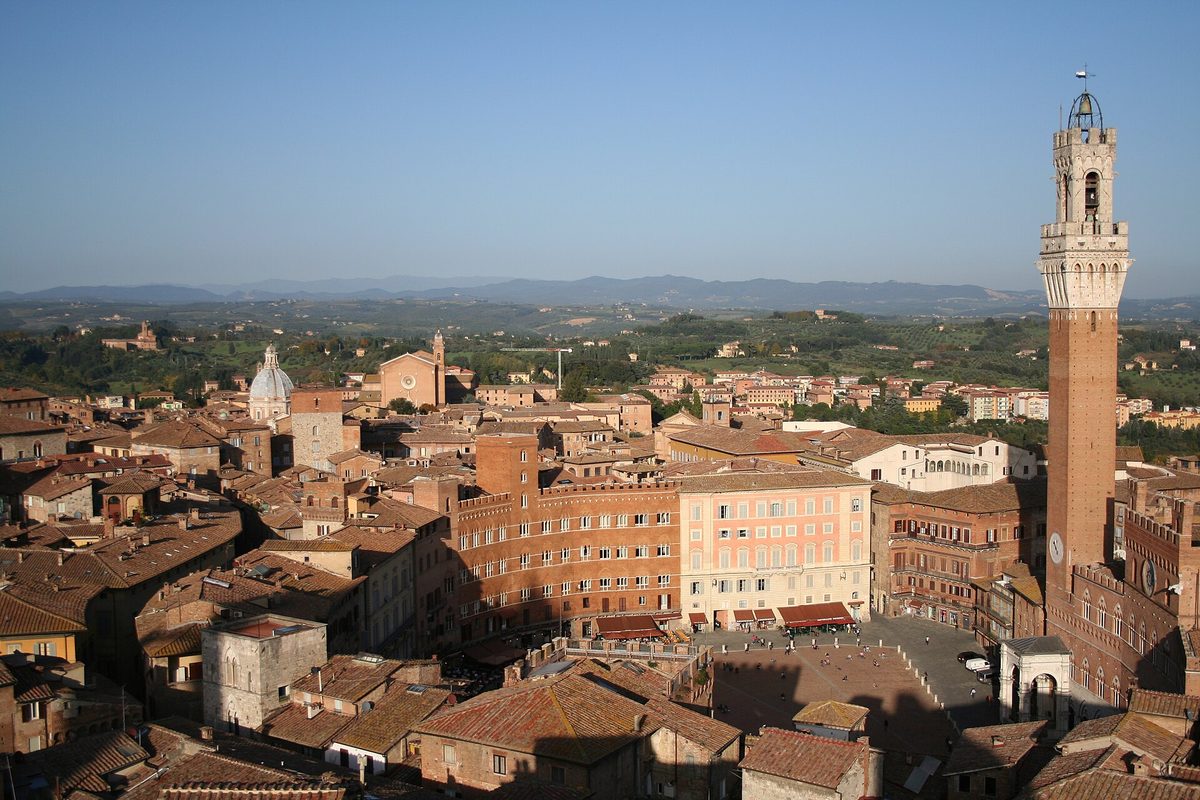
Siena is the best all-around Tuscany day trip from Florence for many travelers. It has a strong identity, a magnificent main square, a serious cathedral, medieval streets, and enough depth to fill a day without needing a car.
Piazza del Campo is one of Italy’s great civic spaces, and the Duomo di Siena is not a “smaller Florence cathedral.” It is its own event: striped marble, pavement, pulpit, Piccolomini Library, and a layered sense of wealth and rivalry.
The Palio horse race happens on July 2 and August 16 in normal years. It is a major reason to visit Siena and a major reason to plan carefully if you are not prepared for crowds and changed logistics.
For the deeper city plan, use Siena Travel Guide: What to See and How Long to Stay.
Pisa And Lucca
Pisa is easy by train and famous for one reason: the Leaning Tower and Piazza dei Miracoli. The tower is worth seeing if it matters to you, but Pisa does not need to consume a whole day unless you want it to. Many travelers pair Pisa with Lucca.
Lucca is the quieter pleasure: Renaissance walls, a walkable center, churches, towers, local shops, and a calmer rhythm. Rent a bike on the walls if the weather is good. Have lunch. Let Lucca be the opposite of Florence museum pressure.
Pisa plus Lucca is one of the best public-transport day trips from Florence because the train logistics are reasonable and the towns contrast well.
San Gimignano
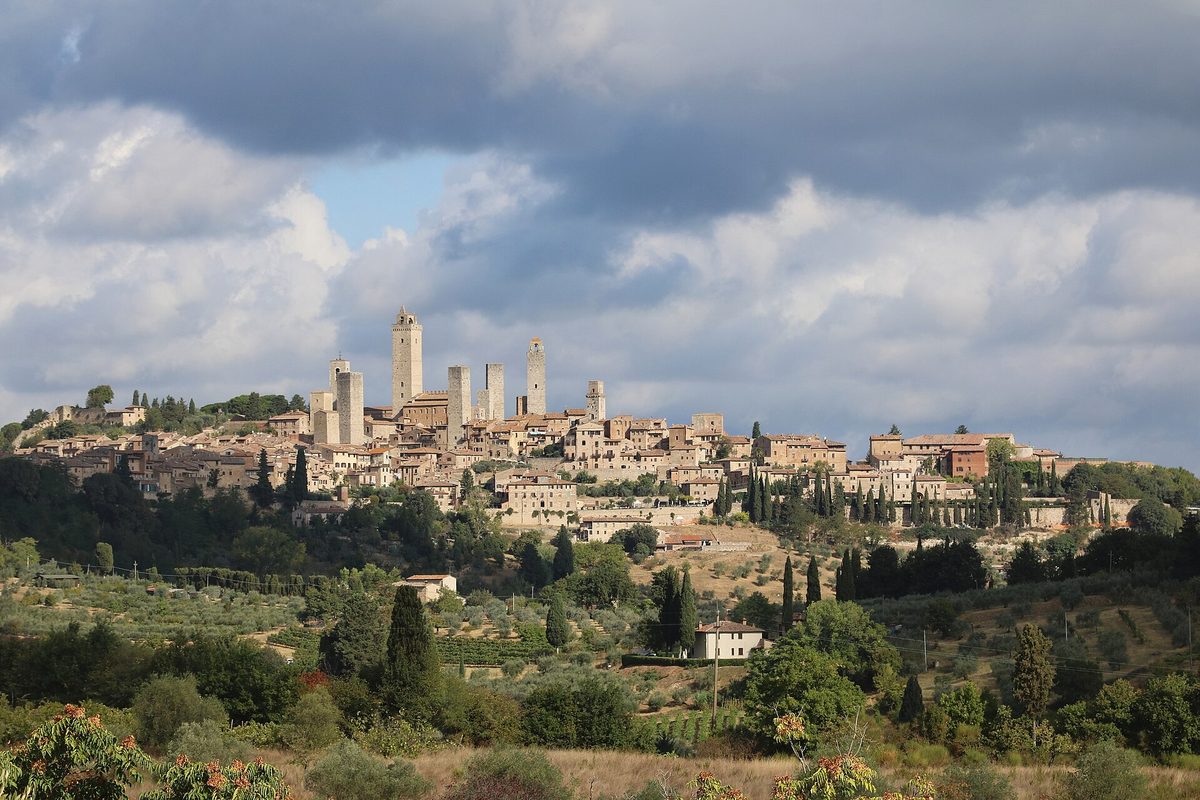
San Gimignano is famous for its medieval towers and skyline. It is beautiful and very popular. The issue is not whether it is worth seeing; it is how to see it without pretending transport is effortless.
The official San Gimignano transport page explains arrival options, but from Florence, most travelers use a combination of train and bus, a tour, or a car. The town is busier in the middle of the day, so an overnight stay or early/late timing can improve the experience.
San Gimignano combines well with Chianti, Volterra, or Siena only if you have a car, driver, or well-designed tour. Do not casually stack it with multiple hill towns by public transport unless you enjoy timetable puzzles.
Chianti
Chianti is not a single town. It is a wine region and countryside experience, with places such as Greve in Chianti, Panzano, Castellina in Chianti, Radda in Chianti, and Gaiole in Chianti shaping many first routes.
This is where I would strongly consider a tour if you are based in Florence and want wine. Driving yourself through Chianti can be lovely, but wine tasting and driving are not natural partners. A small-group wine tour or private driver often makes more sense than renting a car for one day, especially if you are not used to rural roads and Italian parking.
If you are staying in the countryside for several nights, a car becomes more useful. For a deep wine-region guide, use Chianti Wine Region Guide for First-Time Visitors.
Val d’Orcia, Pienza, Montepulciano And Montalcino
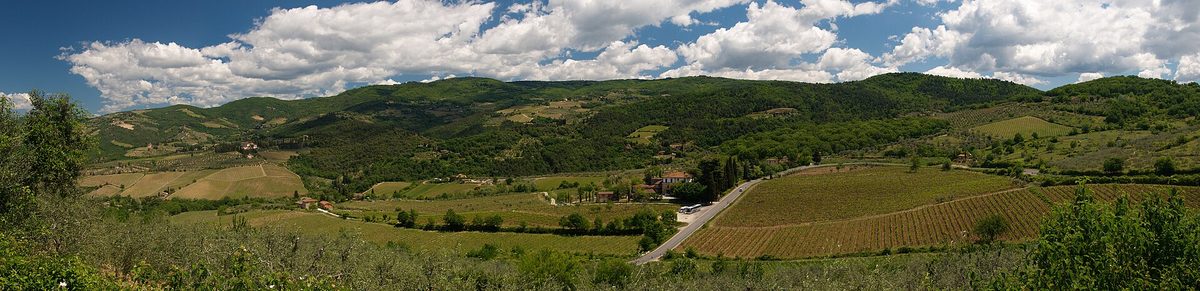
Val d’Orcia is the Tuscany people imagine when they say rolling hills, cypress roads, stone farmhouses, golden light, and wine towns. It is also not the easiest day trip from Florence without a car.
Pienza, Montepulciano, Montalcino, Bagno Vignoni, San Quirico d’Orcia, and the surrounding countryside are better as an overnight or road-trip segment. You can do a long tour from Florence, and that can be worthwhile if it is your only chance. But if Val d’Orcia is a dream, give it more than a rushed day.
This is where staying in an agriturismo or small-town base changes the trip. You get morning and evening light, dinner without a return train, and the feeling of Tuscany as a landscape rather than a set of stops.
Should You Stay In Florence Or The Tuscan Countryside?
Stay in Florence if museums, restaurants, train access, and walking convenience are the priority. Stay in the countryside if the emotional center of the trip is wine, views, slow meals, hill towns, and quiet evenings.
There is no universal answer, but there is a clear mistake: booking Florence for the whole stay while dreaming of countryside mornings. Day trips can show you Tuscany. They do not fully give you Tuscany.
Best Areas To Stay In Florence
Centro Storico/Duomo is best for first-timers who want to be close to major sights. It is convenient and busy.
Santa Maria Novella is useful for train access, early departures, day trips, and shorter stays. Choose carefully street by street.
Santa Croce and Sant’Ambrogio are good for food, nightlife, and a slightly less central-feeling base that still walks well.
Oltrarno, Santo Spirito, and San Frediano are best for atmosphere, evening life, artisans, and travelers who want to cross the river away from the thickest crowd.
San Niccolo and the hillside edges are good for views and quieter nights, but they can be less convenient with luggage.
For the full neighborhood breakdown, use Where to Stay in Florence: Best Areas for Tourists.
Best Bases In Tuscany
Siena is a strong base if you want a beautiful city with bus connections, restaurants, history, and easier access to southern Tuscany than Florence.
Chianti works if wine, countryside, and short scenic drives are the focus. You will likely want a car or driver.
Val d’Orcia works if the dream is landscape: Pienza, Montepulciano, Montalcino, cypress roads, thermal baths, and rural stays.
Lucca works for a gentler town base with access to Pisa, the coast, northern Tuscany, and a calmer atmosphere.
Arezzo or Cortona can work for travelers who want eastern Tuscany and a less obvious base.
Agriturismo stays are wonderful when they match the transport plan. They are frustrating when booked without a car, without dinner options, or far from the towns you thought you would visit. If trains and buses are your plan, base choice matters more than anything else you book — start with where to stay in Tuscany without a car.
Getting Around Florence And Tuscany
Florence itself is a walking city. You do not need a car in the historic center, and you probably do not want one. If you arrive by train, Santa Maria Novella is central enough that many hotels are walkable or a short taxi ride away. If you arrive by air, Florence airport connects to the city by tram and taxi options, while Pisa airport is another common gateway for Tuscany.
The bigger question is Tuscany.
Use trains for Florence to Pisa, Lucca, Arezzo, Bologna, Rome, Venice, and many major city links. Use buses where they beat train geography, especially some Florence-Siena routes. Use tours for wine days, San Gimignano combinations, and places where public transport would eat the day. Use a rental car for countryside stays, Val d’Orcia, Chianti villages, Volterra, rural agriturismos, and flexible hill-town routes.
Do not rent a car for Florence itself. Feel Florence has official guidance on driving and ZTL zones in Florence, and the short version for most tourists is simple: keep the car out of the historic center unless your hotel has given you precise instructions. ZTL fines are not a charming souvenir.
For broader driving rules, read Driving in Italy: ZTL Zones, Tolls, Parking and Rental Cars. For trains, use How to Use Trains in Italy.
Food And Wine In Florence And Tuscany
Florence and Tuscany are not just museum territory. They are food regions with strong local identity: bistecca alla fiorentina, ribollita, pappa al pomodoro, crostini, lampredotto, pecorino, pici, wild boar sauces, cantucci with vin santo, Chianti Classico, Brunello di Montalcino, Vino Nobile di Montepulciano, Vernaccia di San Gimignano, and olive oil that makes plain bread feel like an event.
In Florence, do not eat only within sight of the Duomo. There are good places in the center, but the highest-pressure streets do not need to work hard for customers. Look toward Sant’Ambrogio, Santo Spirito, San Frediano, San Lorenzo side streets, and reservations at places that locals and repeat visitors actually discuss.
Markets can help: Mercato Centrale is convenient and famous, while Sant’Ambrogio can feel more local depending on timing. Food tours can be worthwhile early in the trip because they teach you what to order later.
In the countryside, wine travel is best when you slow down. One good winery visit, one hill town, and one long lunch can be better than five photo stops. If wine tasting is central, avoid self-driving or keep tastings modest. A driver or small tour is not just convenience; it lets the day make sense.
Use Italy Food and Wine Travel Guide when the food side of the trip becomes more important than the museum list.
Best Time To Visit Florence And Tuscany
The best months for Florence and Tuscany are April, May, early June, September, and October. May is especially good for green countryside and warm but manageable city weather. September brings harvest energy and warmer evenings. October is excellent for food, wine, and cooler walking, though rain risk increases as the month goes on. Our guide to Italy in April covers that spring window in more detail.
July and August can be difficult in Florence because of heat and crowds. They can work better in the countryside if you book a property with a pool and plan slow days. August is also shaped by Italian holiday patterns and can be expensive in desirable countryside stays.
Winter is underrated for Florence museums and lower prices, but it is not the best version of rural Tuscany if you want pool time, vineyards, and long golden evenings. Some countryside restaurants and hotels may reduce operations.
For full season planning, use When to Go to Italy, plus the month guides for Italy in the May shoulder season, Italy in September, and what Italy is like in October.
Florence And Tuscany Trip Examples
Florence In A Classic 10-Day Italy Trip
If you are doing Rome, Florence, and Venice, give Florence three nights. Arrive by train from Rome, spend two full days in Florence, and use the third night to avoid rushing onward. Do not force a major Tuscany day trip unless you are willing to skip a Florence museum or add a night.
This route works best by train. Use Italy Transportation Guide for the rail spine and Best Italy Itineraries for the countrywide plan.
Florence Plus One Day Trip
Stay four nights in Florence. Use two or three days for Florence and one day for Siena or Pisa/Lucca. This is the best compromise for travelers who want Tuscany flavor without moving hotels.
I would choose Siena if you want medieval atmosphere and a full destination. I would choose Pisa/Lucca if you want easier train logistics and a lighter day. I would choose Chianti if wine is the point and you are comfortable booking a tour.
Florence Plus Tuscany Countryside
Stay three nights in Florence, then two or three nights in Siena, Chianti, Val d’Orcia, or an agriturismo. Pick up a rental car after Florence, not before. Drop it before entering the next major city.
This is the best structure if Tuscany is a major reason for the trip. It lets Florence be Florence and Tuscany be Tuscany.
Tuscany Road Trip
If you have been to Florence before or have more time, build a road trip: Florence, Siena, Chianti, San Gimignano or Volterra, Val d’Orcia, Montepulciano, Montalcino, Pienza, maybe Lucca or the coast. Keep the route slower than you think. Tuscany rewards fewer bases and more time of day variation.
Use Tuscany Road Trip Itinerary for the full route.
Common Florence And Tuscany Mistakes
The first mistake is trying to do every famous Florence sight in two days and then calling the city overrated. Florence becomes much better when you leave space between major museums.
The second mistake is assuming all Tuscany day trips are equally easy. Pisa and Lucca are not the same logistical problem as Val d’Orcia.
The third mistake is renting a car too early. A car is useful in the countryside and annoying in Florence.
The fourth mistake is staying only in Florence when the dream is rural Tuscany. Day trips are fine, but they do not replace countryside nights.
The fifth mistake is booking Uffizi, Accademia, dome climb, and Pitti/Boboli back to back. Art fatigue is real. Protect your attention.
The sixth mistake is ignoring ZTL zones. Florence’s historic center is not the place to improvise with a rental car.
The seventh mistake is choosing Pisa only because it is famous and skipping Siena or Lucca when they better match your interests.
The eighth mistake is treating Tuscany as a summer-only destination. Spring and fall are often better for walking, wine, food, and countryside drives.
Deeper Florence And Tuscany Guides
When you know the broad Florence/Tuscany shape, use the guide that matches your next decision:
- Best Things to Do in Florence
- 3 Days in Florence: Art and Food Itinerary
- Florence to Tuscany Day Trips: Siena, Chianti, Pisa and Lucca
- Where to Stay in Florence: Best Areas for Tourists
- Tuscany Road Trip Itinerary
- Uffizi Gallery Tickets and Visiting Guide
- Siena Travel Guide: What to See and How Long to Stay
- Chianti Wine Region Guide for First-Time Visitors
For broader planning, continue with:
Questions travellers ask
How many days do you need in Florence and Tuscany?
For a first visit, spend at least three nights in Florence. Add two or more nights in Tuscany if you want countryside, wine, hill towns, and slower evenings. With only two full days, focus on Florence rather than forcing a day trip.
Is Florence a good base for Tuscany?
Florence is a good base for easy day trips such as Siena, Pisa, Lucca, Fiesole, Arezzo, and some guided Chianti or San Gimignano tours. It is less ideal as the only base for Val d’Orcia, rural agriturismos, and slow wine-country travel, where staying in the countryside is better.
Can you visit Tuscany without a car?
Yes, you can visit parts of Tuscany without a car. Florence, Pisa, Lucca, Siena, Arezzo, and some towns work by train or bus. For Chianti villages, Val d’Orcia, Volterra, rural wineries, and agriturismo stays, a car, driver, or organized tour is much easier.
What should you book in advance in Florence?
Book the Uffizi, Accademia, Brunelleschi’s Dome climb, high-demand guided tours, wine tours, and popular restaurants in advance. Check official museum and Duomo ticket pages before buying because pass rules, time slots, and access conditions can change.
Is Siena or Pisa better as a day trip from Florence?
Siena is better if you want a full historic city, medieval atmosphere, Piazza del Campo, and a remarkable cathedral. Pisa is better if seeing the Leaning Tower is a priority or if you want an easy train day paired with Lucca.
Should you stay in Florence or Siena?
Stay in Florence for museums, first-time sightseeing, restaurants, and train connections. Stay in Siena if you want a smaller historic base, easier access to southern Tuscany, and a slower evening atmosphere. Many travelers do best with Florence first, then Siena or countryside.
What is the best time to visit Florence and Tuscany?
April, May, early June, September, and October are the best months for most travelers. May is green and comfortable. September has harvest energy and warm evenings. October is excellent for food and wine, though later October can be rainier.
Is Tuscany worth visiting if you only have one day?
Yes, but choose carefully. Siena or Pisa/Lucca are the best one-day choices by public transport. Chianti can work as a wine tour. Val d’Orcia is better with a car, tour, or overnight stay because the distances and countryside timing matter.